Featured
1/20
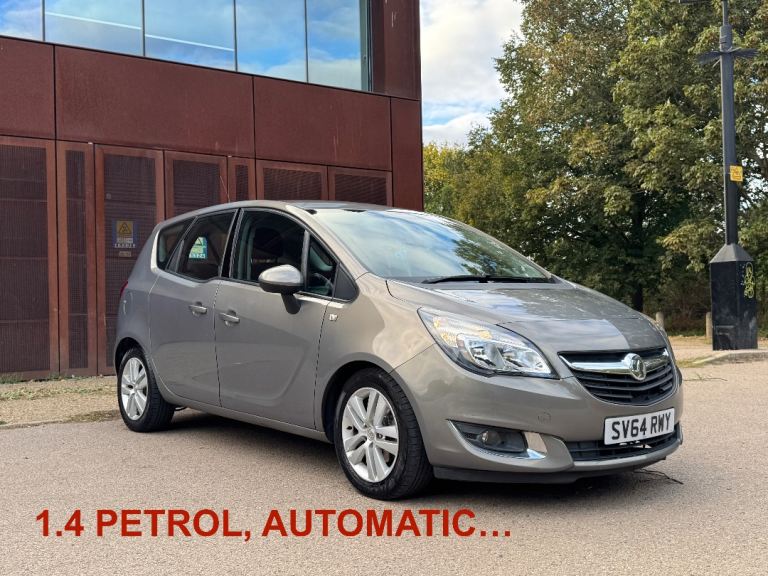
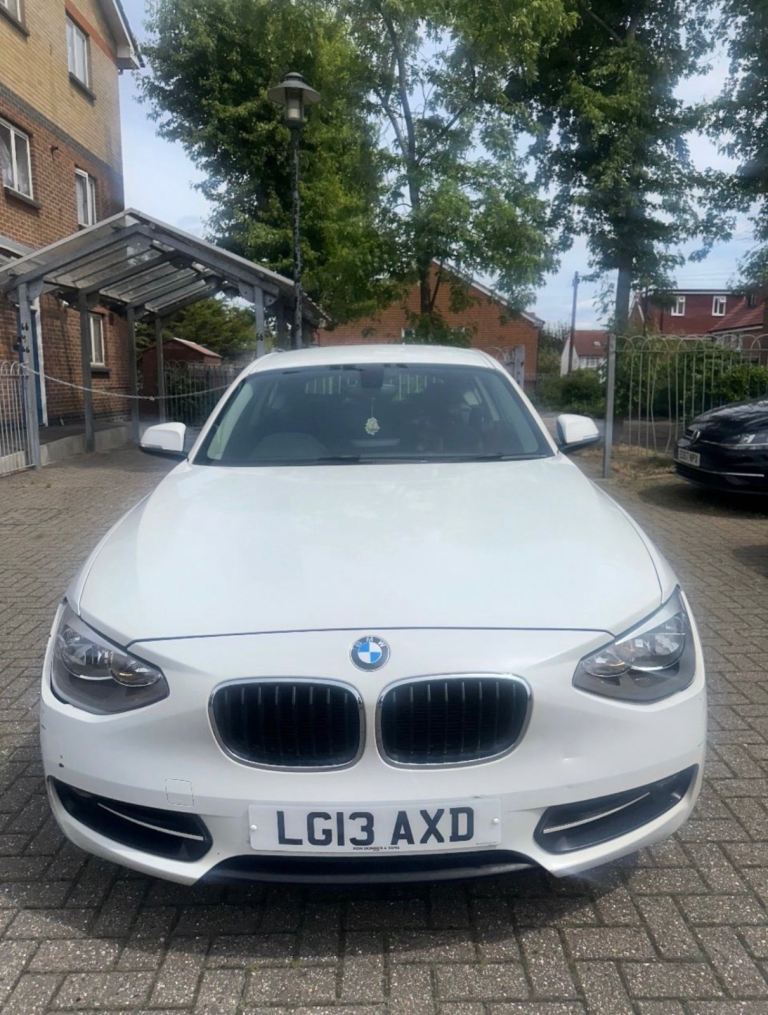
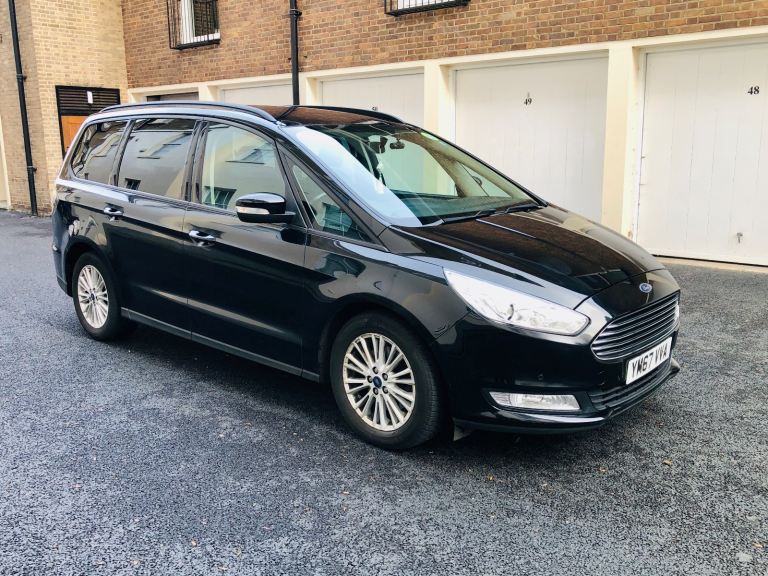
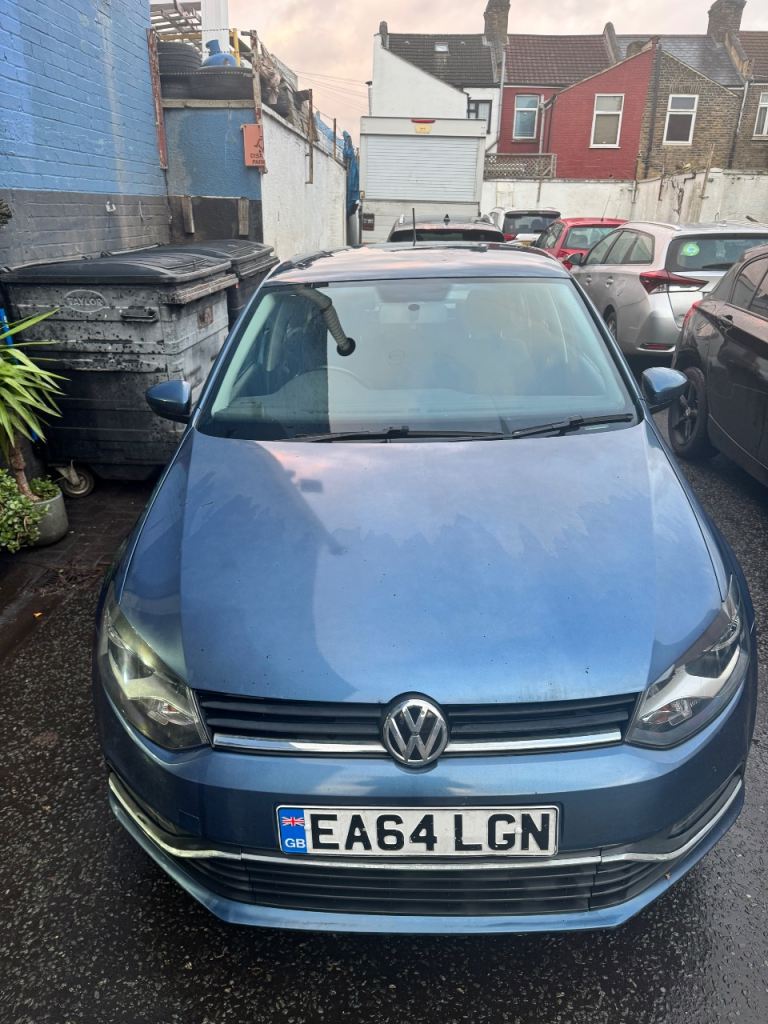
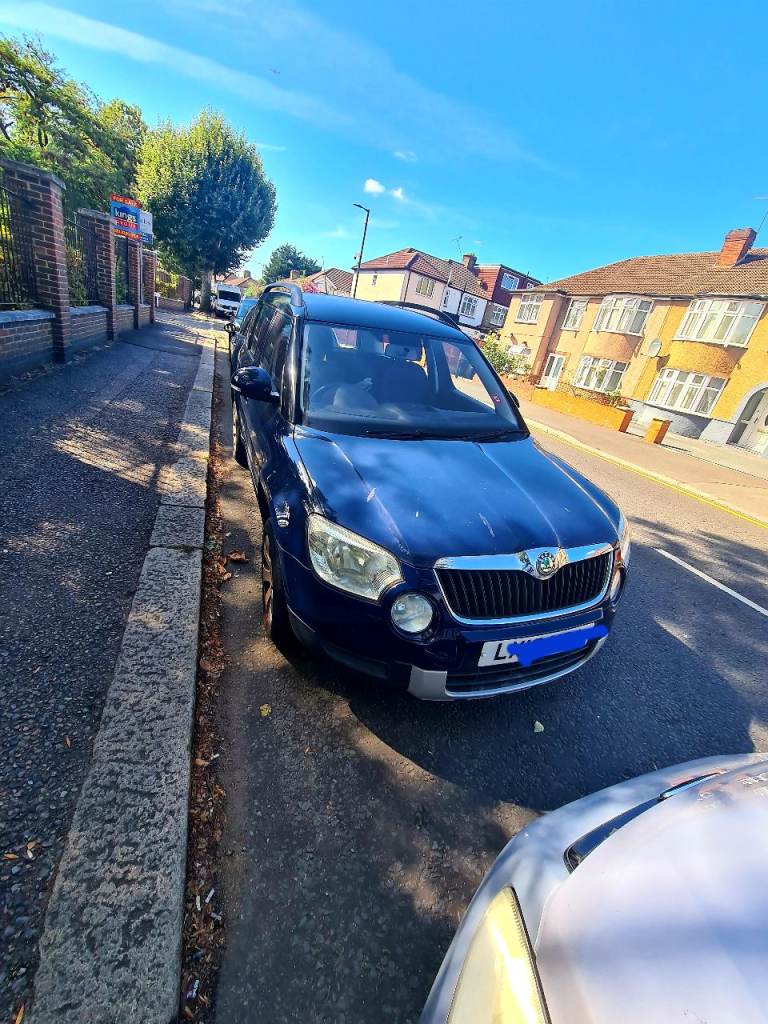
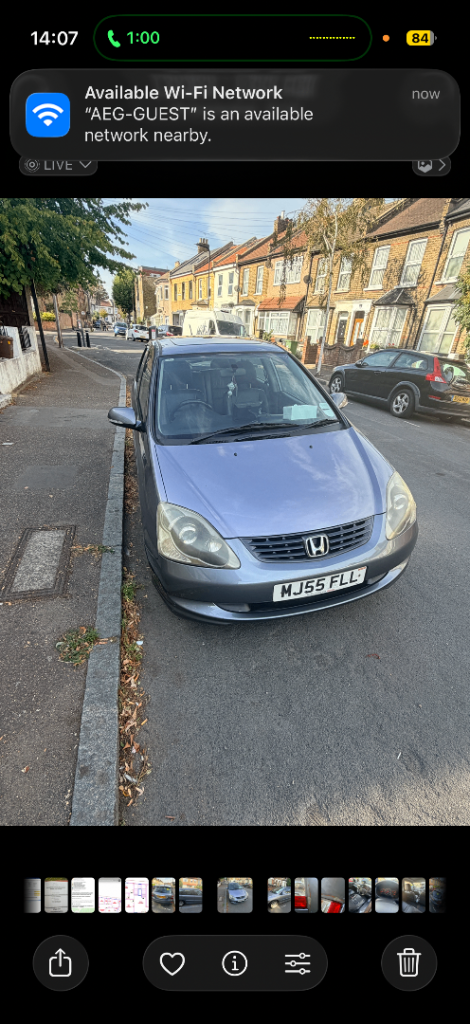
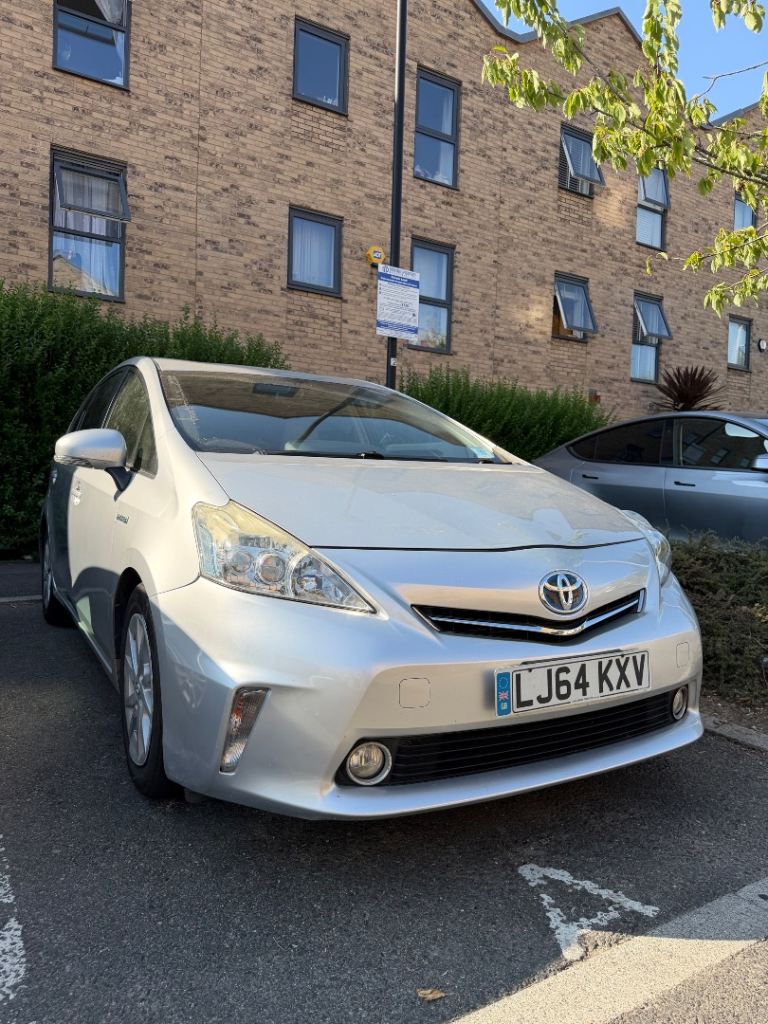
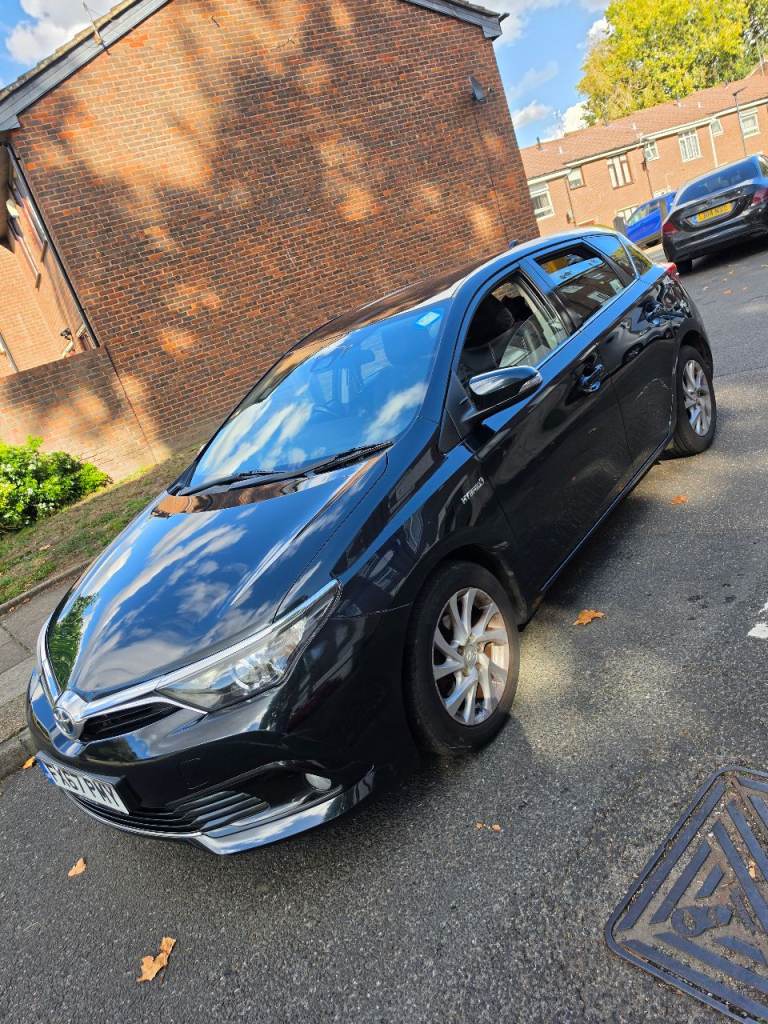
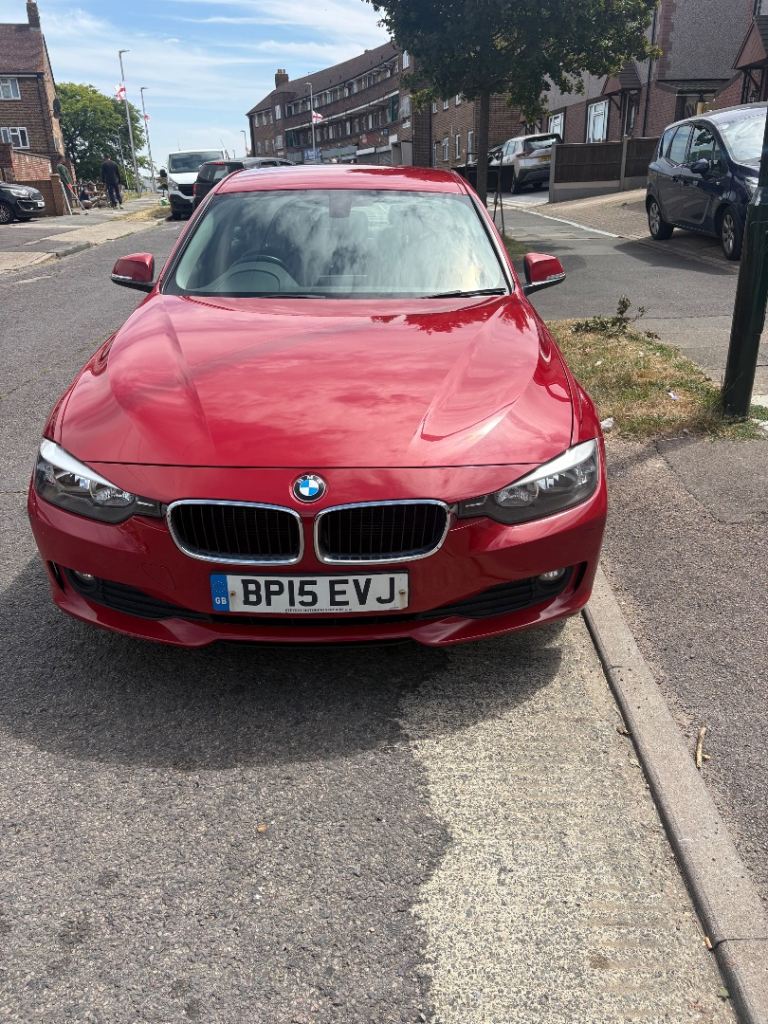
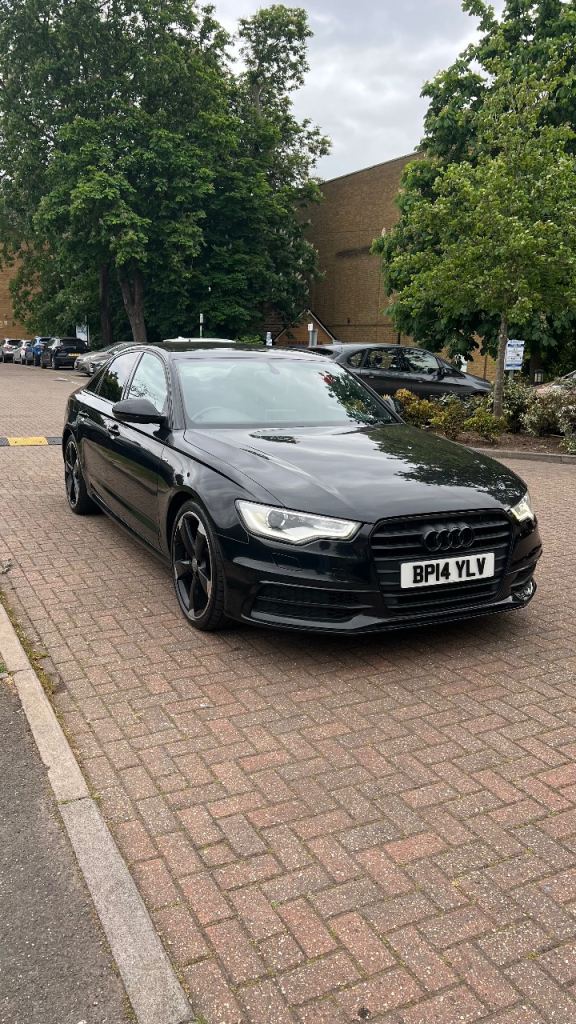
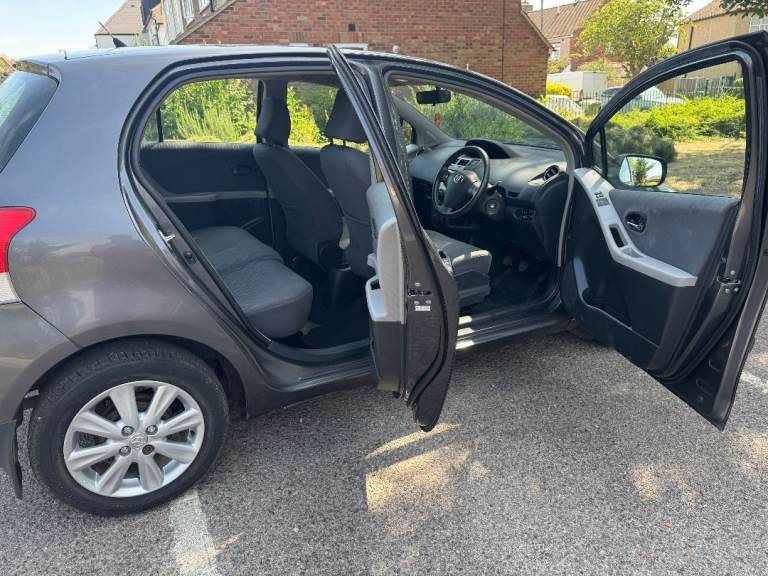
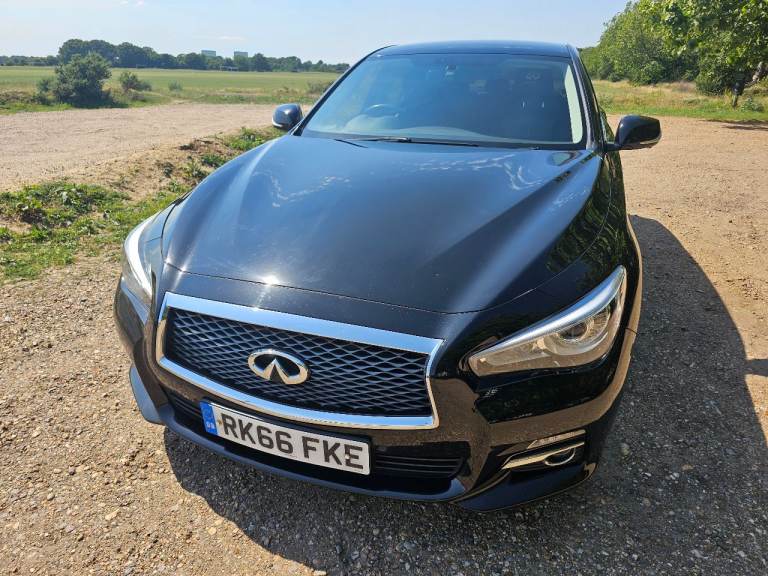
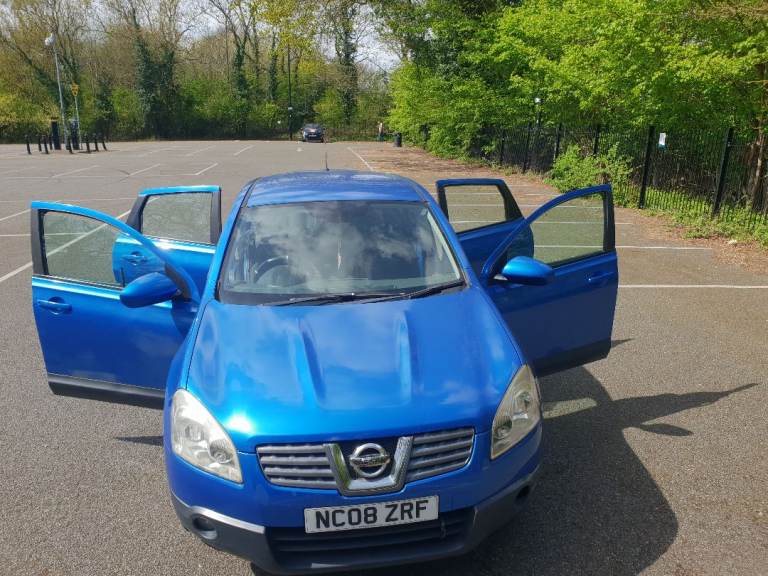
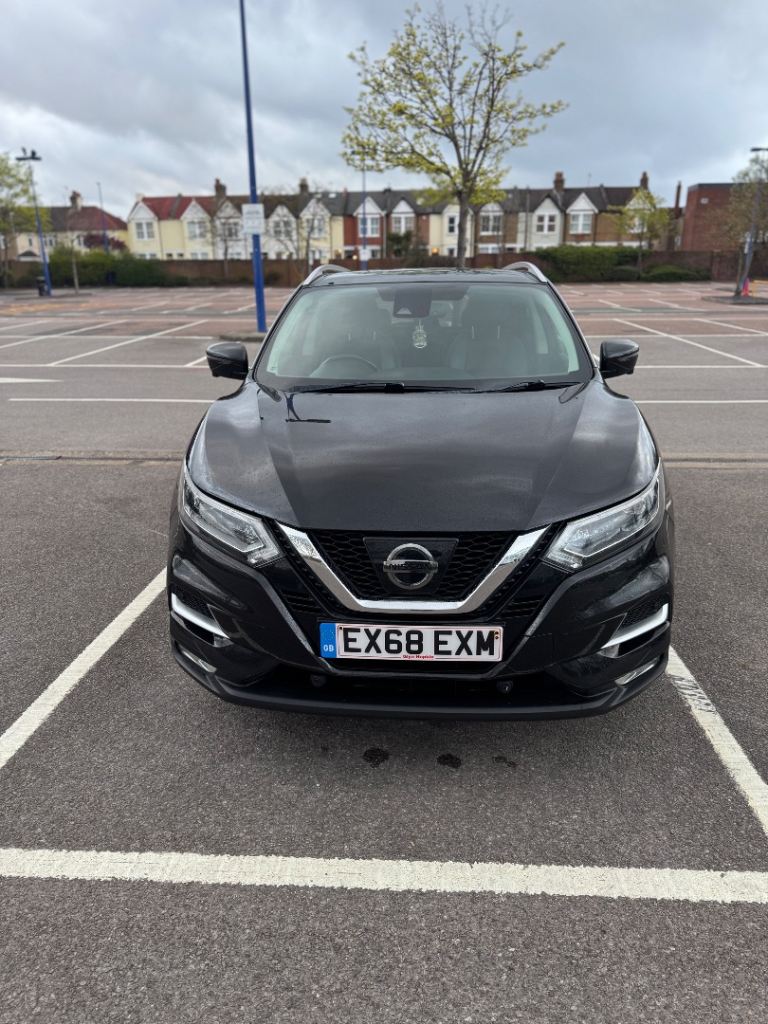
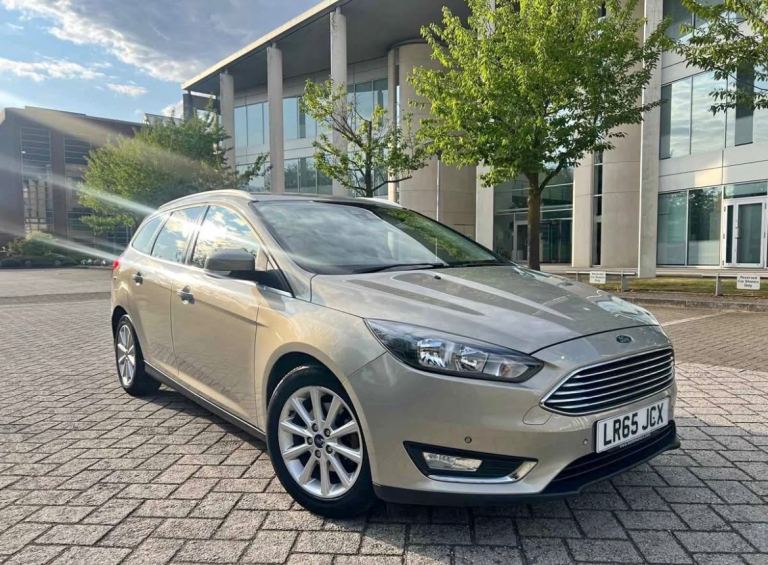
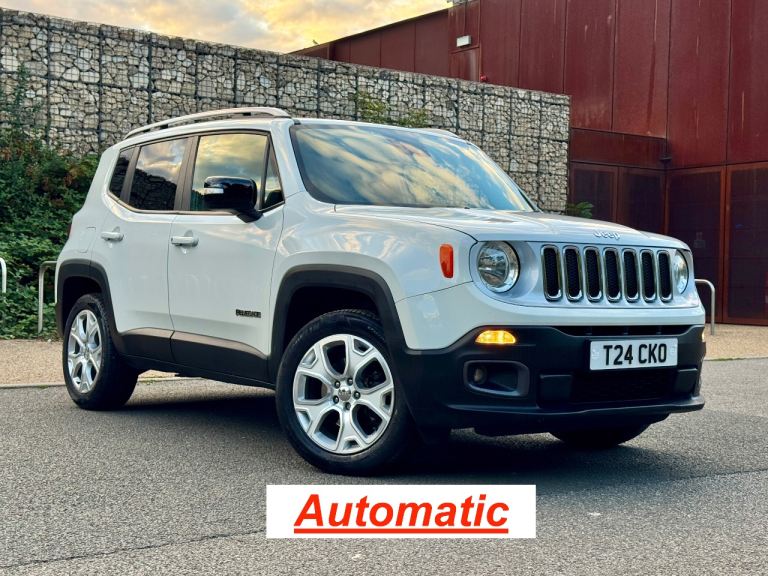
2017, JEEP, RENEGADE, 1.4 PETROL, AUTOMATIC, Bargain of the century, price reduced for a quick sale!
2017101,000 milesPrivatePetrol1,368 cc
Hackney, London
£4,350
When buying a used car, always conduct a thorough inspection. Check the car's bodywork for rust, dents, and scratches. Examine the tyres for wear and tear, and ensure the tread depth meets legal requirements (minimum 1.6mm). Inspect the engine bay for leaks and unusual noises. Take the car for a test drive to assess its handling, braking, and acceleration. Verify the car's history using a vehicle history check to identify any outstanding finance, accident damage, or mileage discrepancies.
The seller should provide the vehicle's V5C registration document (log book), which proves ownership. Check that the VIN (Vehicle Identification Number) on the V5C matches the one on the car. You should also see the car's MOT certificate (if applicable) and any service history documents. It's wise to ask for any receipts for previous repairs or maintenance.
When buying from a private seller, your rights are more limited than when buying from a dealer. The principle of 'buyer beware' applies. The seller must accurately describe the car and not misrepresent it. However, they are not legally obliged to ensure the car is of 'satisfactory quality' or 'fit for purpose' as a dealer would be. It's crucial to conduct thorough checks before purchasing.
Arrange to meet the seller in a public place during daylight hours. Bring a friend or family member with you for added security. Inform someone of your whereabouts and expected return time. Avoid carrying large amounts of cash; consider using a bank transfer or secure payment method. Be wary of sellers who are overly eager or pressure you to make a quick decision.
As a seller, you must accurately describe the car and disclose any known faults or issues. It is illegal to misrepresent the vehicle's condition or history. You must also ensure the car is roadworthy and has a valid MOT certificate (if applicable). When the sale is complete, you must inform the DVLA of the change of ownership.