9
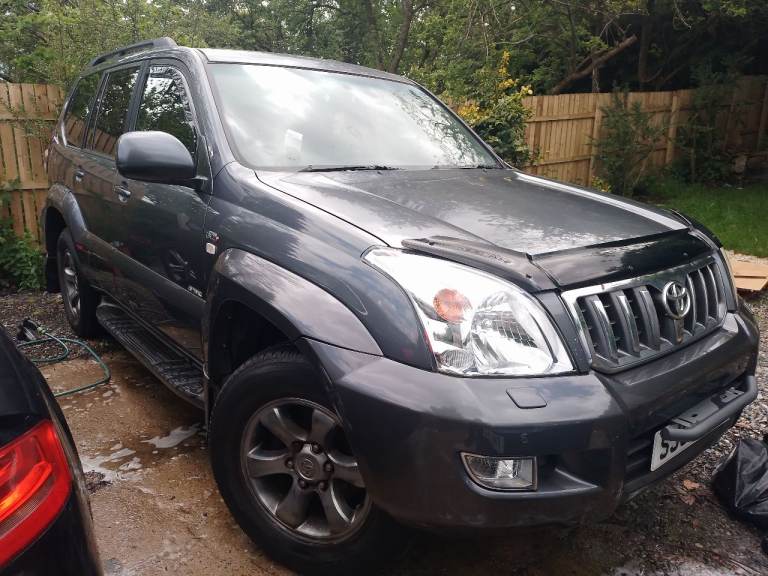
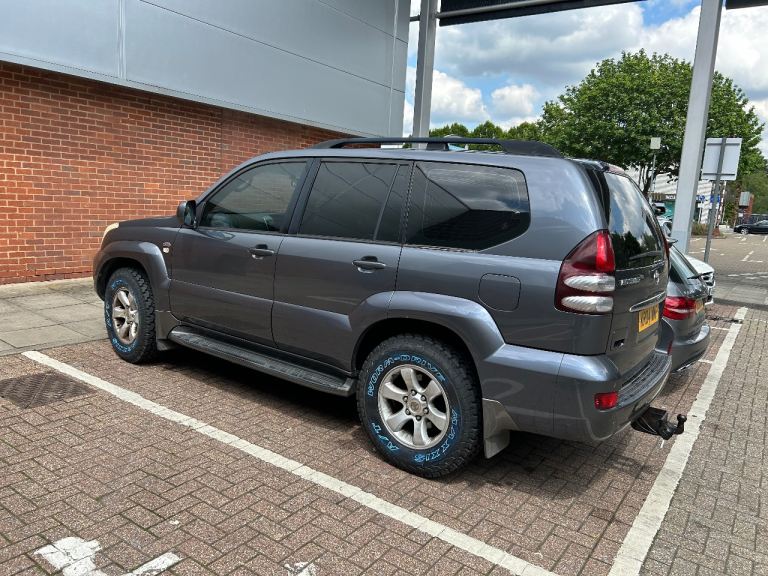
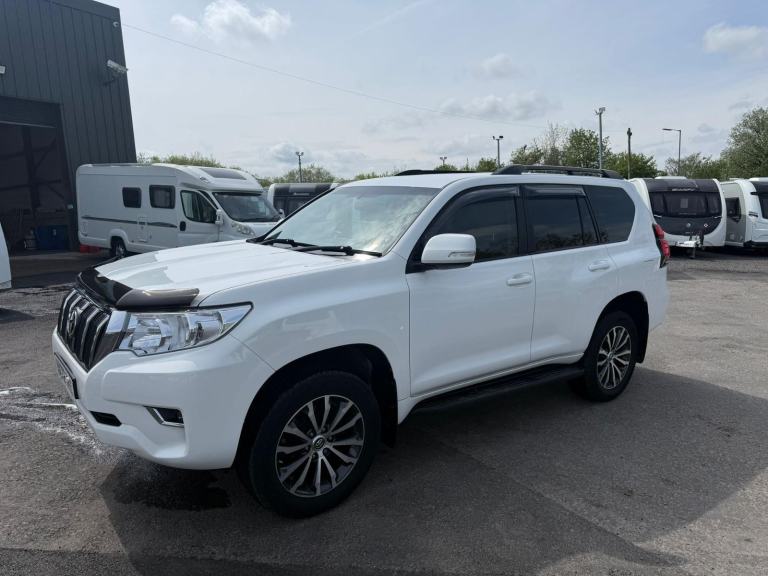
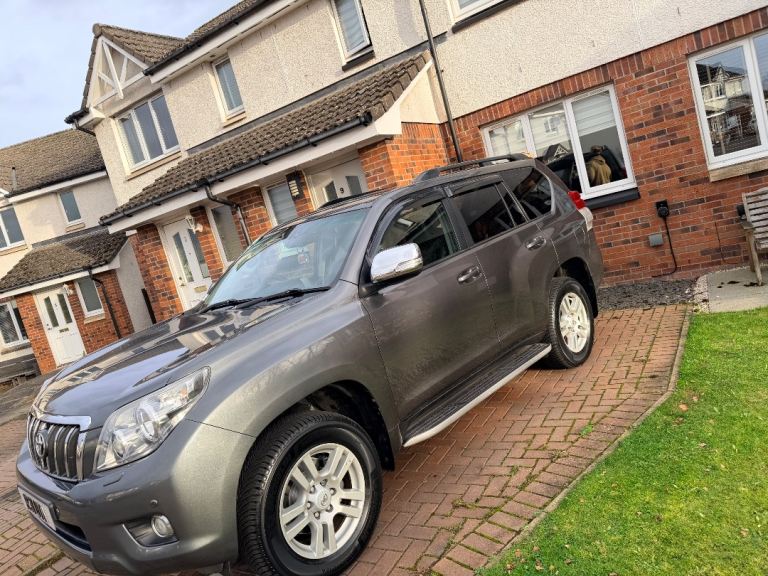
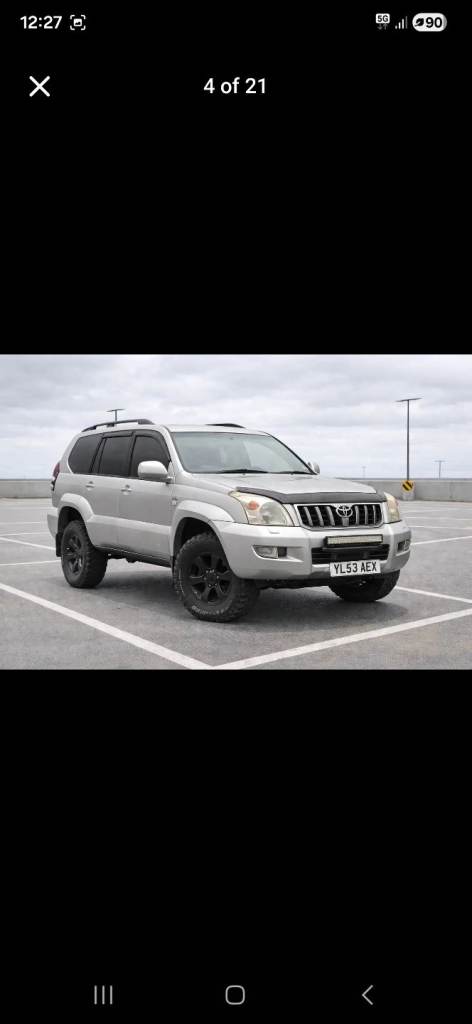
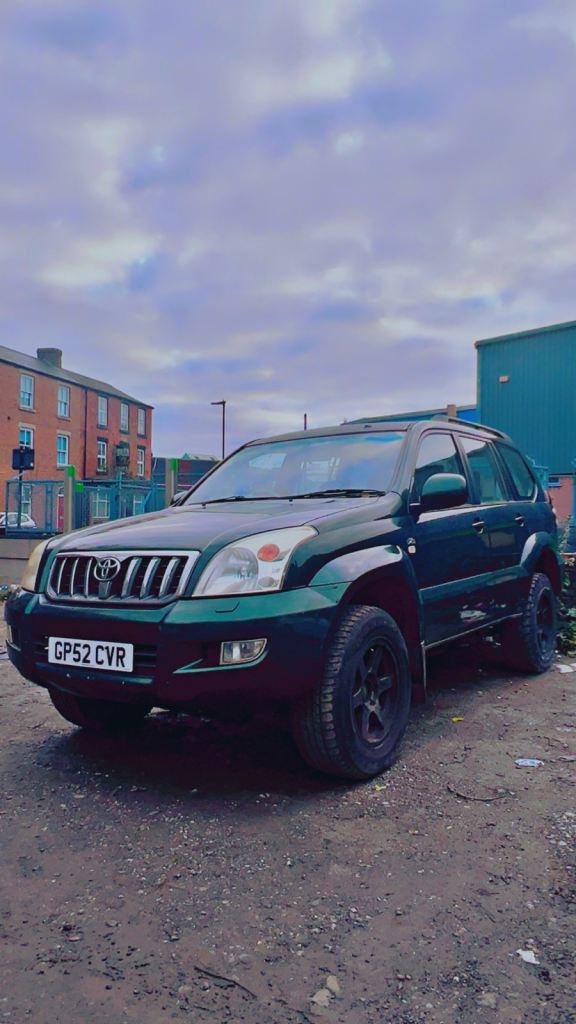
Toyota, LAND CRUISER, Estate, 2003, Other, 2982 (cc), 5 doors
2003154,120 milesPrivateDiesel2,982 cc
Sheffield, South Yorkshire
£5,495
When inspecting a used Land Cruiser, pay close attention to the chassis and undercarriage for signs of rust, especially if it's been used off-road. Check the service history for regular maintenance, particularly oil changes and gearbox servicing. Test all the electronic features, including the four-wheel drive system, differential locks, and any optional extras. Also, inspect the tyres for even wear, which can indicate alignment issues.
Common issues in older Land Cruisers include rust in the bodywork and chassis, worn suspension components, and potential oil leaks from the engine or gearbox. Check for unusual noises from the engine or drivetrain during a test drive. Also, be aware that older models may have higher fuel consumption.
You should expect to see the vehicle's V5C registration document (log book) to verify ownership and vehicle details. A complete service history is crucial, showing regular maintenance. An MOT certificate is legally required for vehicles over three years old in the UK; check the expiry date and advisories. It's also wise to request any receipts for work carried out on the vehicle.
In England, the seller must accurately describe the vehicle and ensure it is roadworthy. While private sales offer fewer legal protections than buying from a dealer, the Sale of Goods Act still applies, requiring the car to be of satisfactory quality, fit for purpose, and as described. You have the right to reject the car if it doesn't meet these criteria, but this can be more difficult in a private sale.
Before test driving, ensure you have valid insurance coverage. Inform the seller that you intend to test drive the vehicle. Choose a route that includes a variety of road conditions to assess the car's performance. Check the brakes, steering, and suspension thoroughly. If possible, bring a friend or family member for a second opinion. If you are not comfortable with any aspect of the test drive, do not proceed with the purchase.