1/14
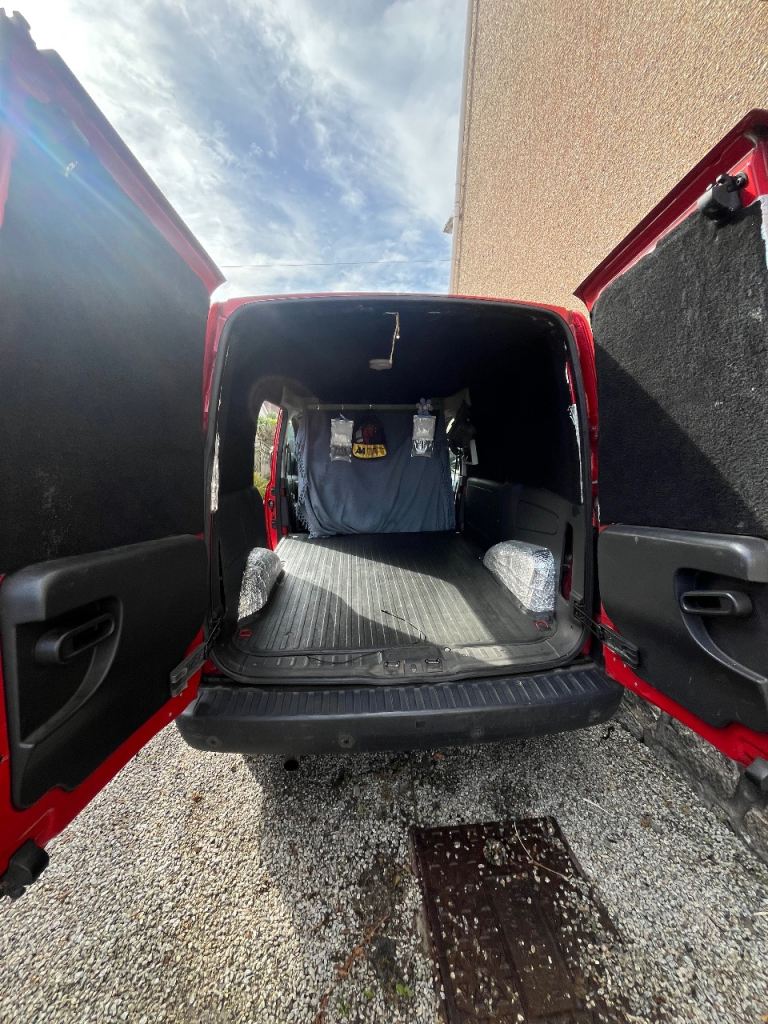
Vauxhall, COMBO, Car Derived Van, 2011, Manual, 1248 (cc)
201189,875 milesPrivateDiesel1,248 cc
Falmouth, Cornwall
£1,350
Before purchasing a campervan or motorhome, thoroughly inspect it. Check for signs of damp or water damage, especially around windows, seams, and the roof. Examine the condition of the tyres, battery, and engine. Test all appliances, including the fridge, cooker, and heating system. Ensure all lights and indicators are working correctly. A pre-purchase inspection by a qualified mechanic is highly recommended.
Ensure the campervan or motorhome has a valid MOT certificate. Check the Vehicle Identification Number (VIN) matches the registration documents. Verify the vehicle's service history and any outstanding finance. Be aware of the legal requirements regarding seatbelts and passenger safety in the habitation area. Road tax will need to be paid, and you will need appropriate insurance cover.
Consider your travel style and needs when choosing a layout. Think about the number of berths required, the size of the kitchen and bathroom facilities, and the amount of storage space. Evaluate the importance of features such as a fixed bed, a toilet and shower, and a heating system. Consider the ease of use and maintenance of all appliances and equipment.
Factor in the costs of road tax, insurance, servicing, and repairs. Fuel consumption can be higher than a standard car. Consider the costs of campsites and other overnight parking fees. Budget for regular maintenance, including damp checks and appliance servicing. Replacement tyres and batteries can also be significant expenses.
Ensure all gas appliances are regularly serviced and tested for leaks. Fit a carbon monoxide detector and smoke alarm. Secure all loose items before driving. Be aware of the vehicle's height and weight limits when navigating roads and bridges. Take regular breaks when driving long distances. When parking, ensure the vehicle is level and stable, and use wheel chocks if necessary.