Featured
6
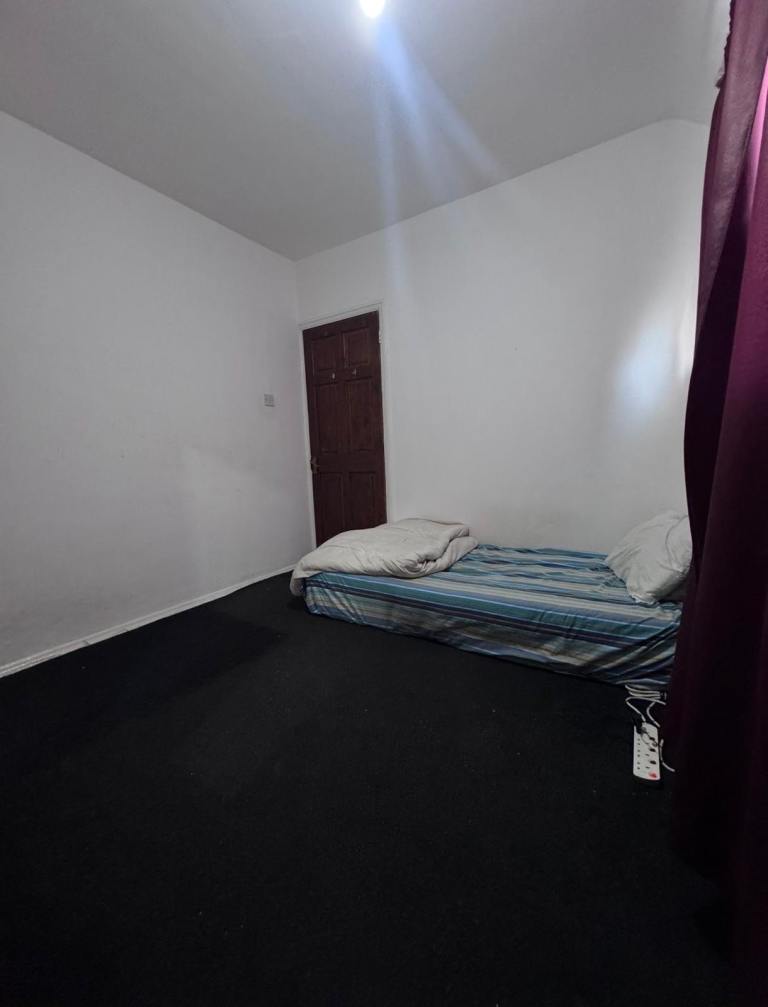
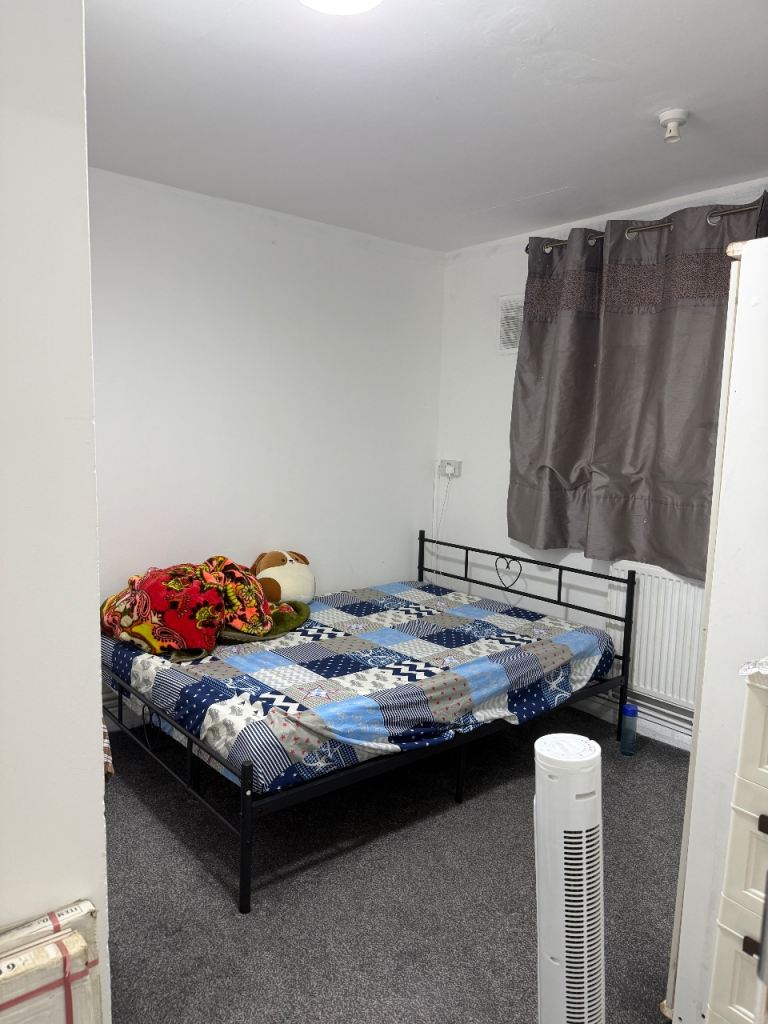
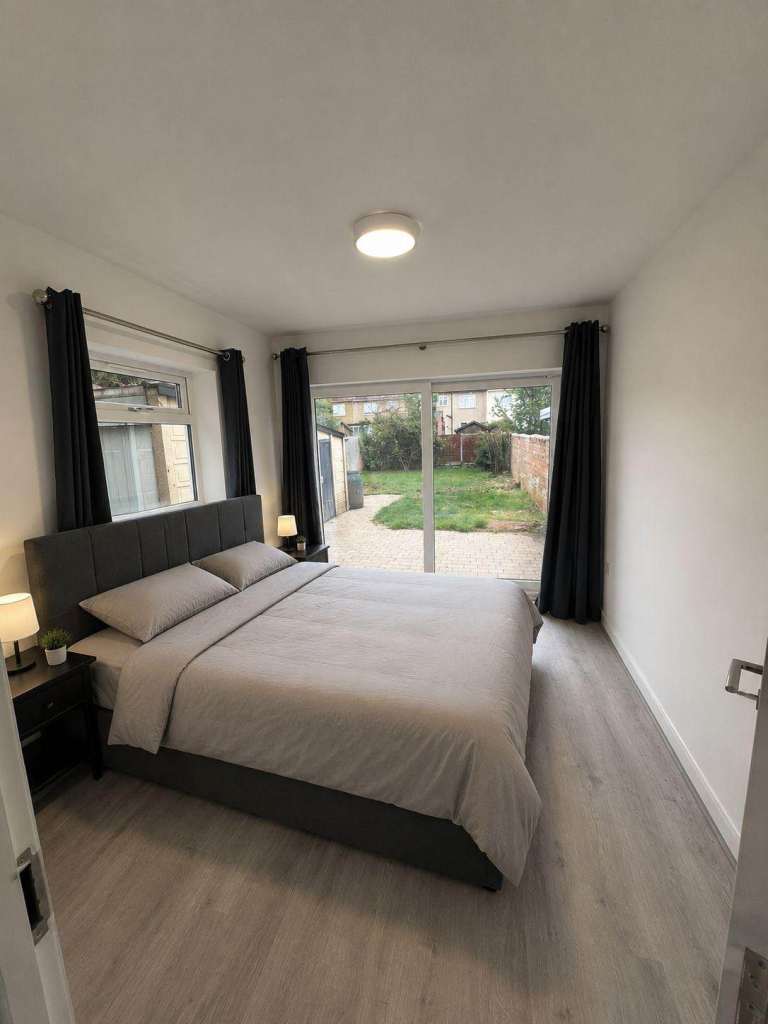
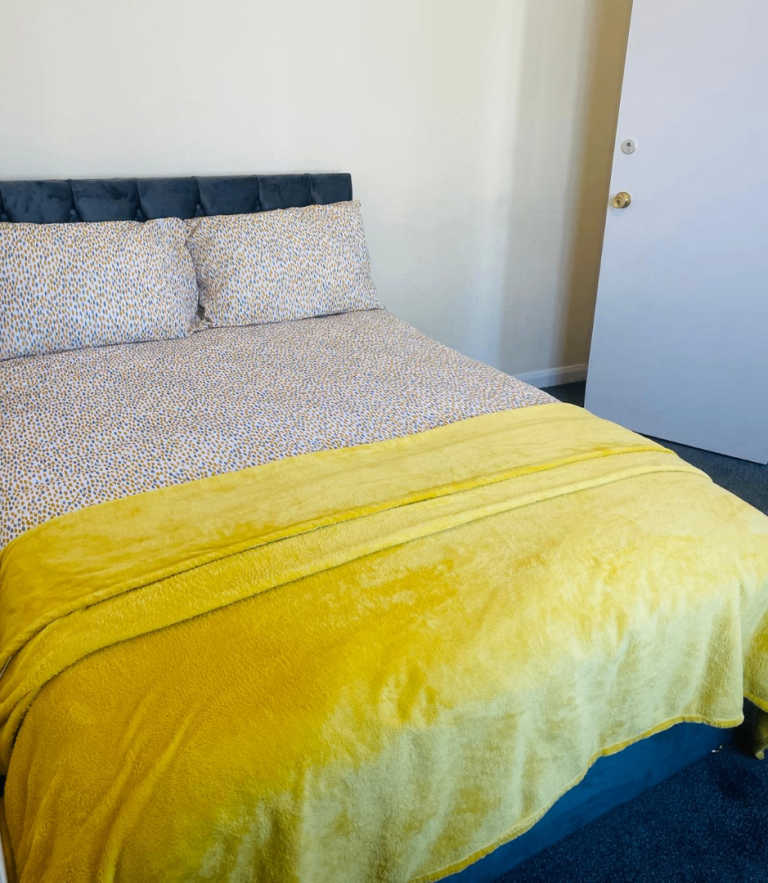
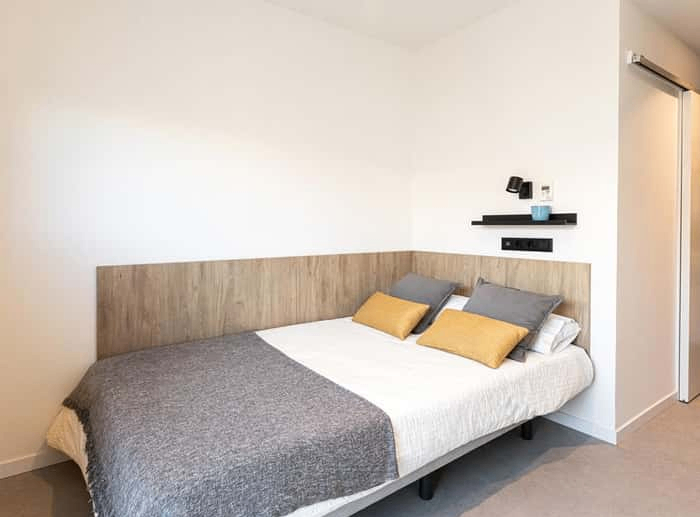
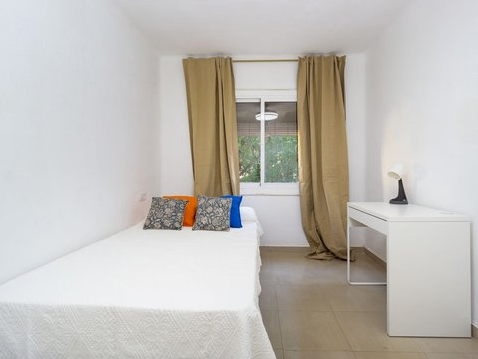
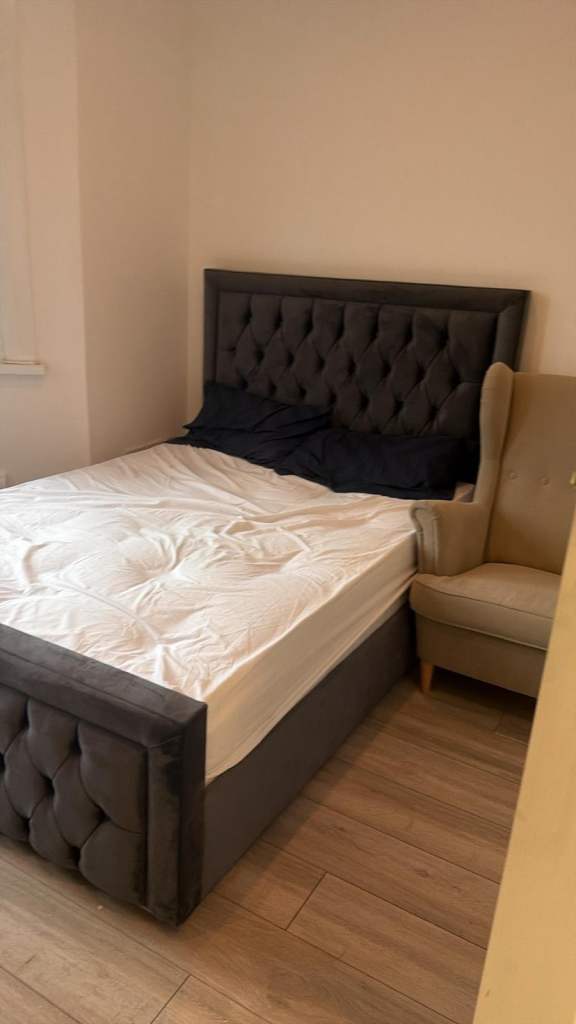
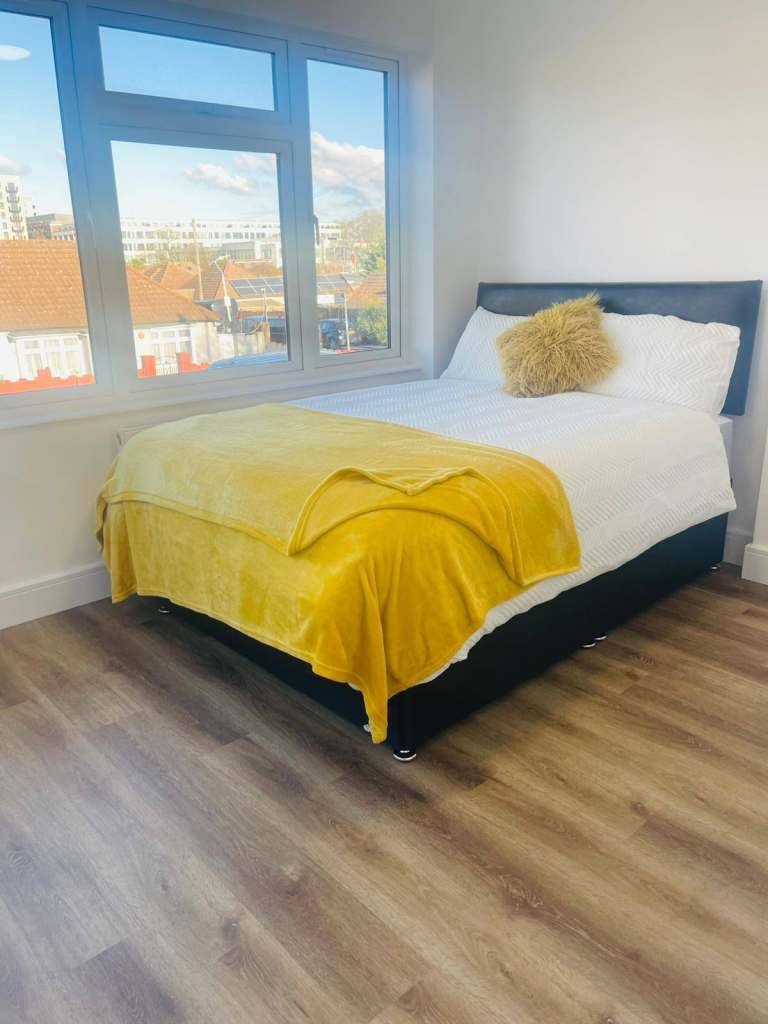
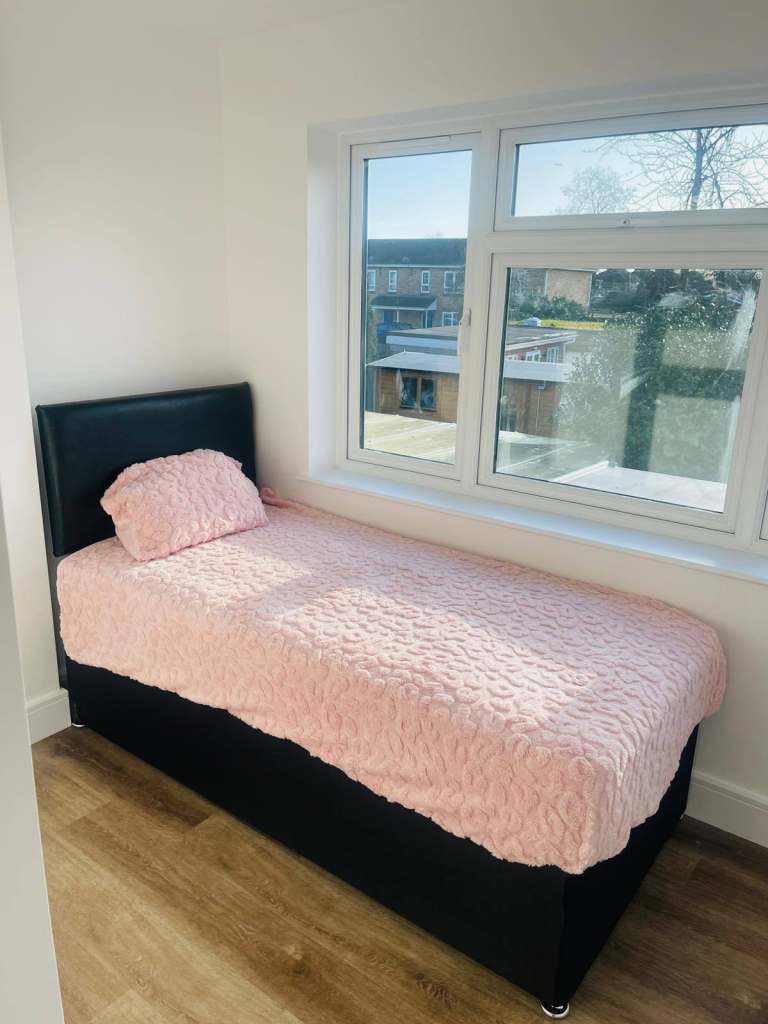
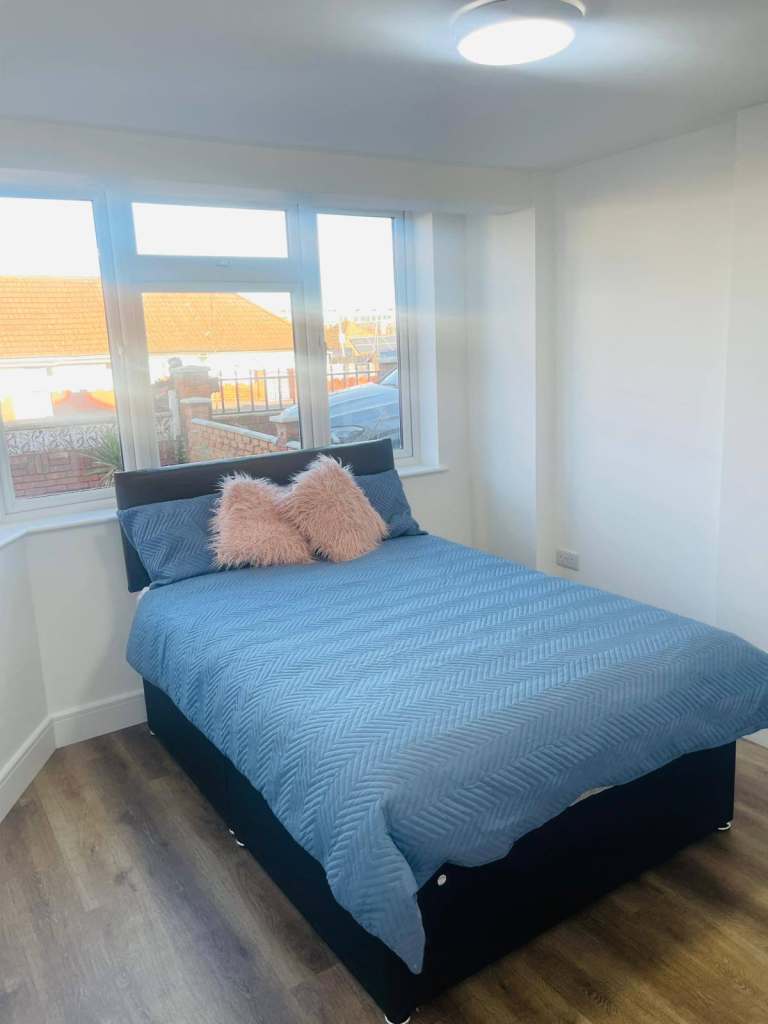
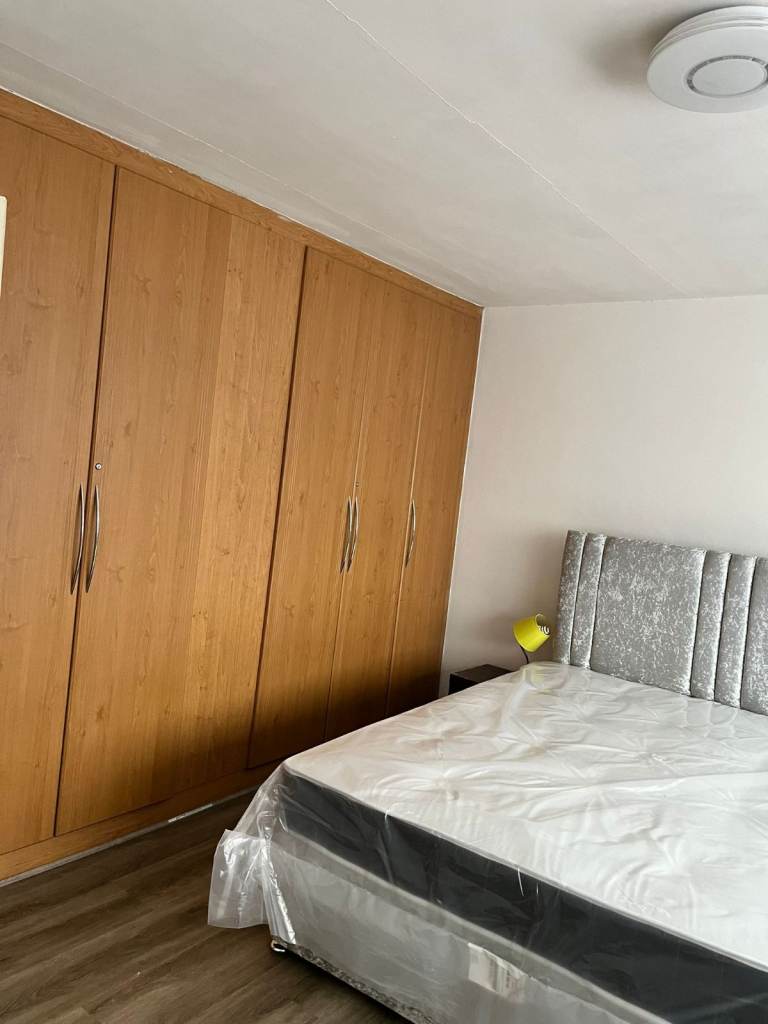
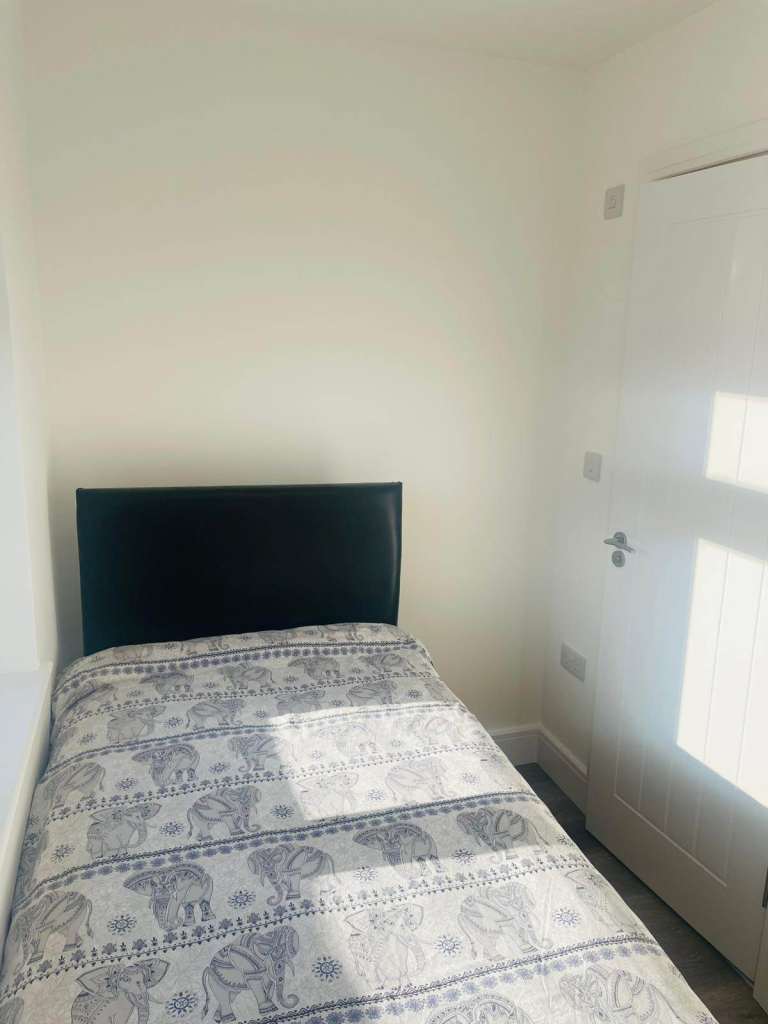
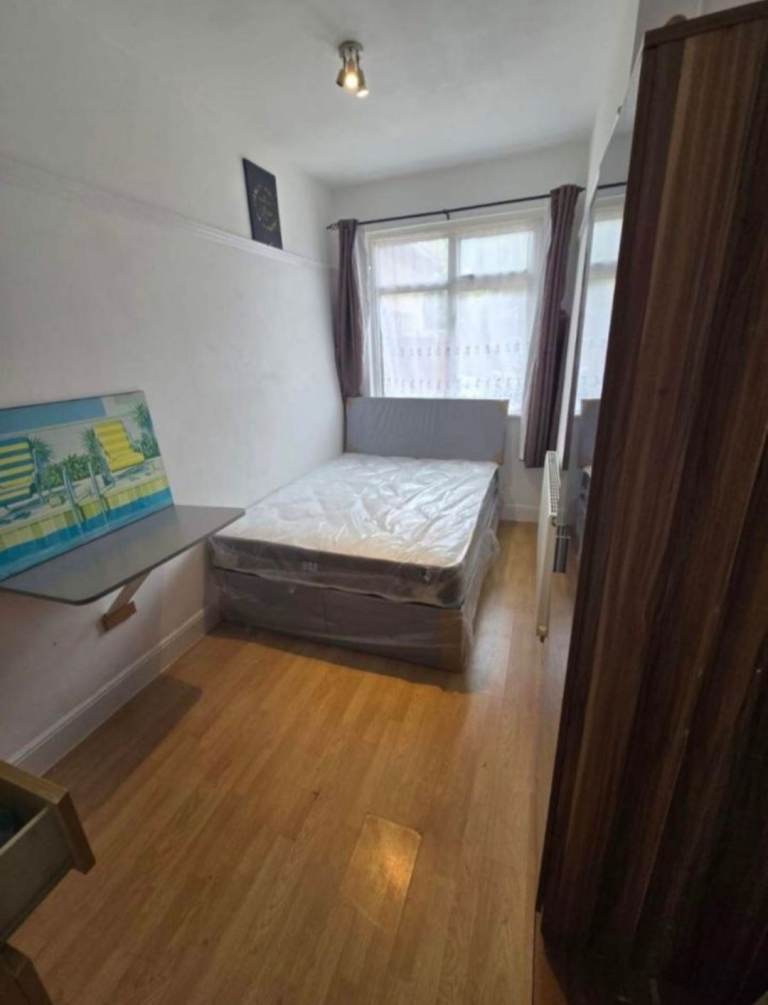
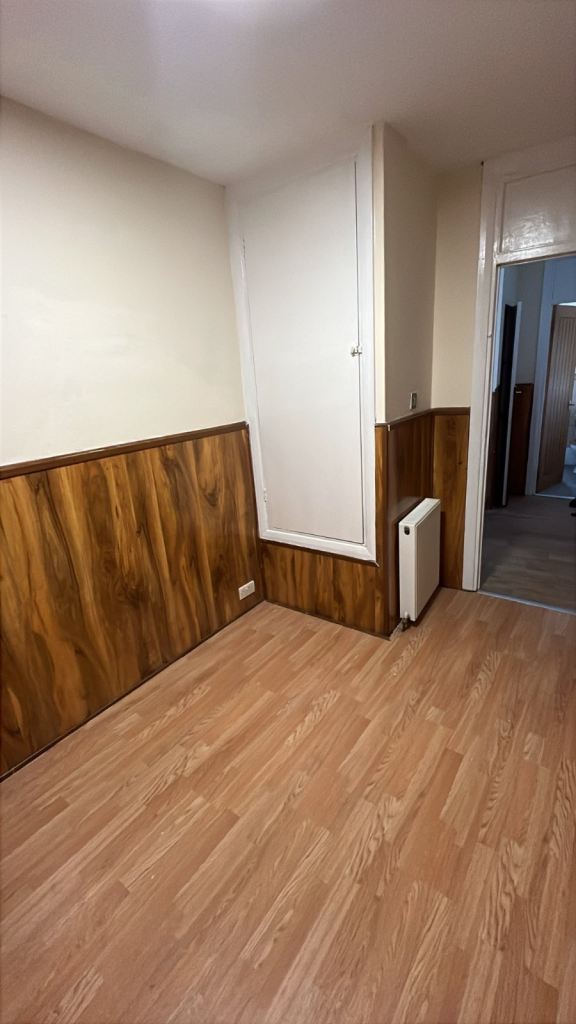
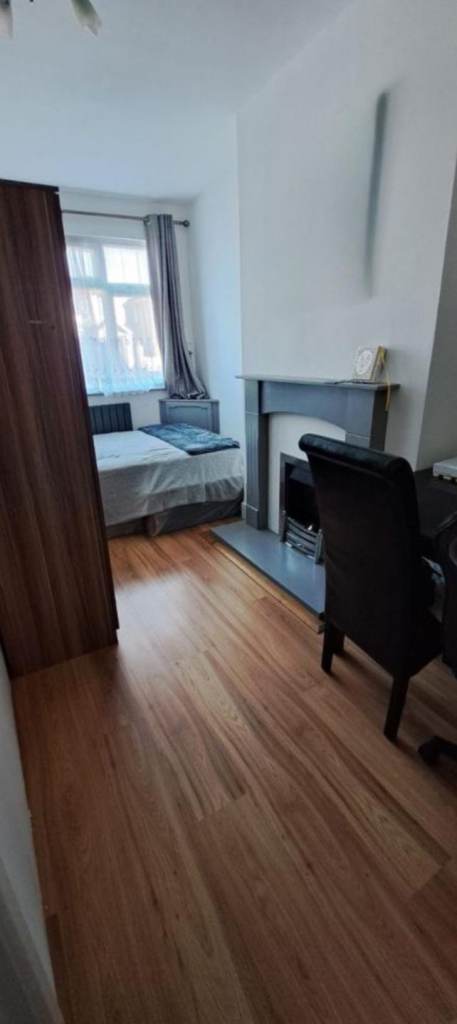
Spacious Double Bedroom Available – Ideal for Single or Couple
PrivateDate available: 06 Aug 2026House
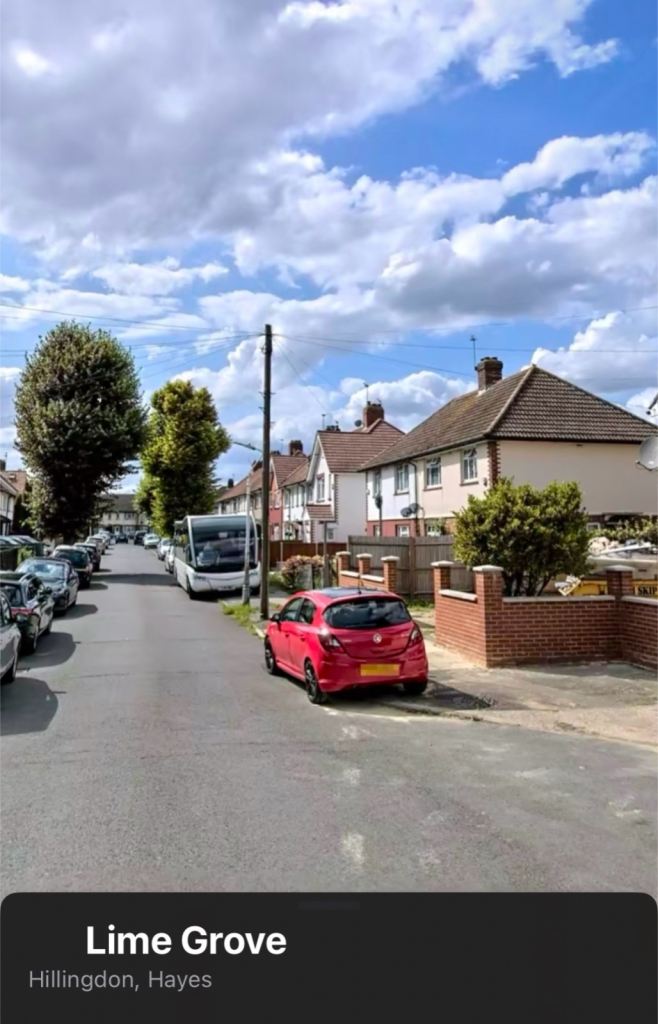
Heathrow, London
£750pm
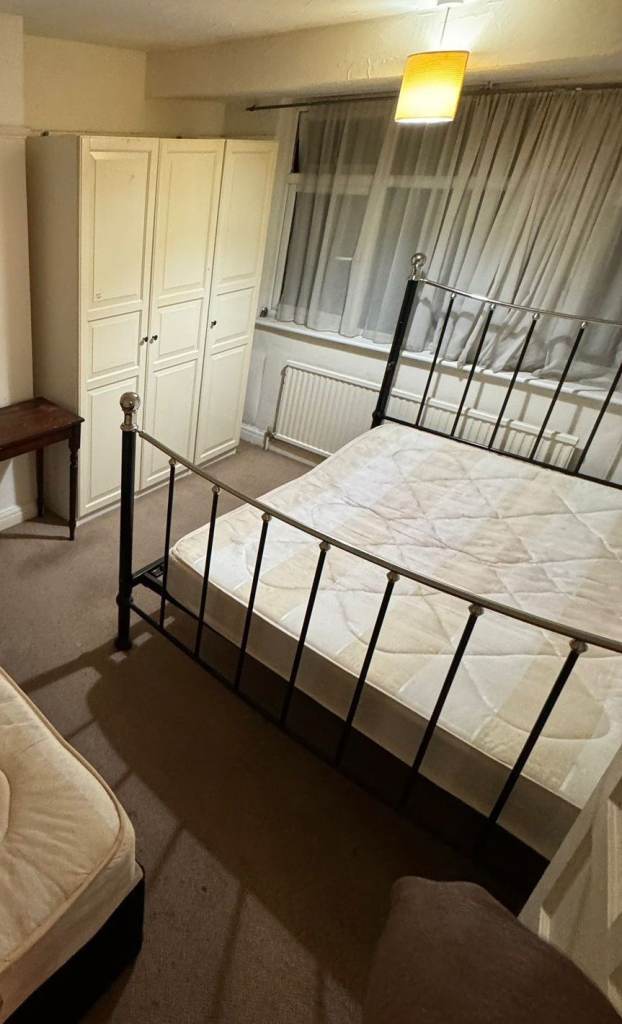
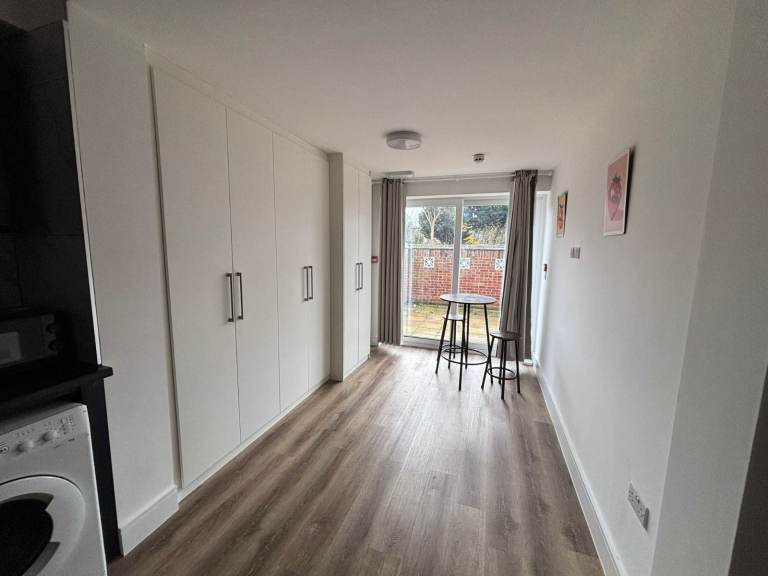
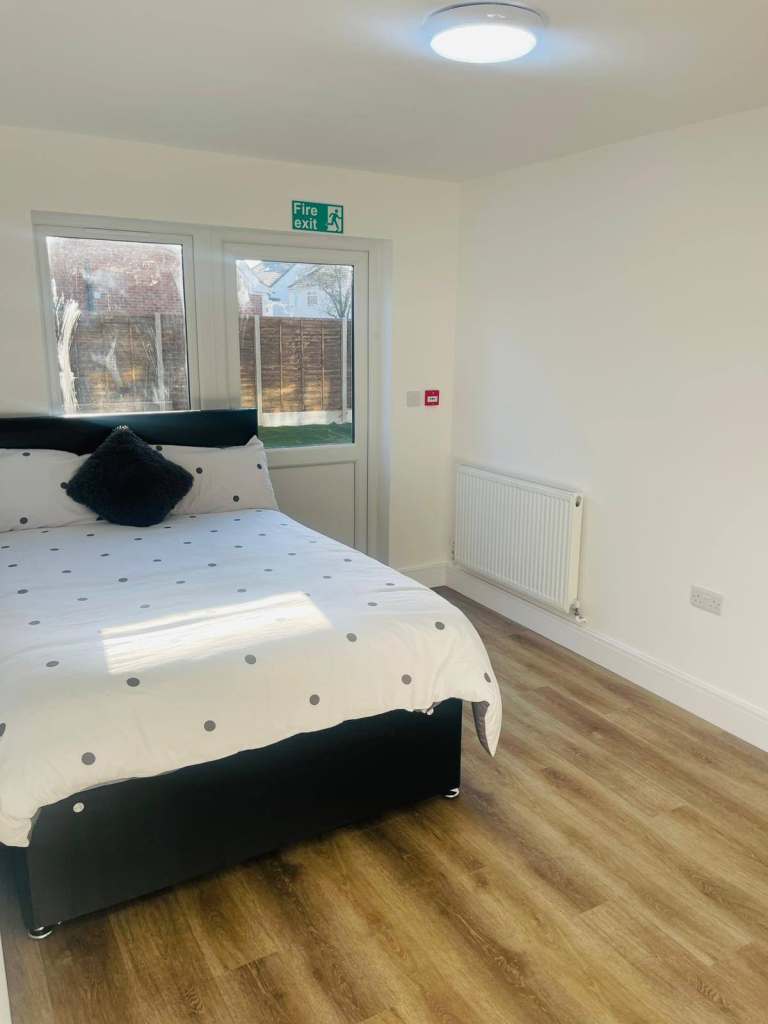
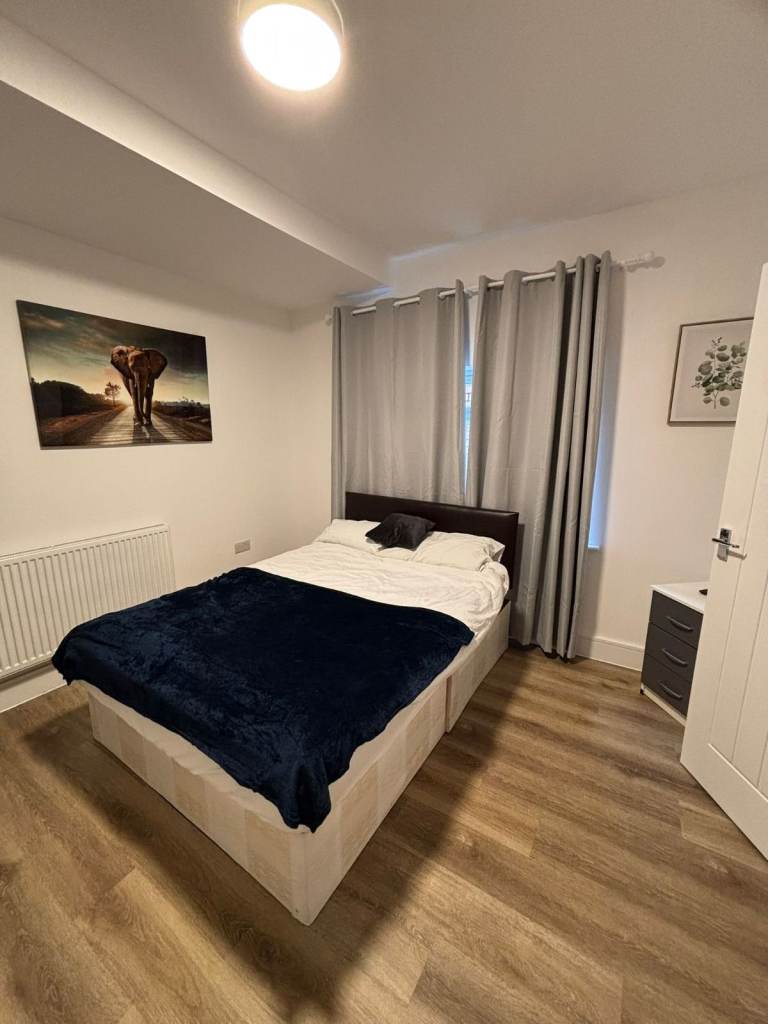
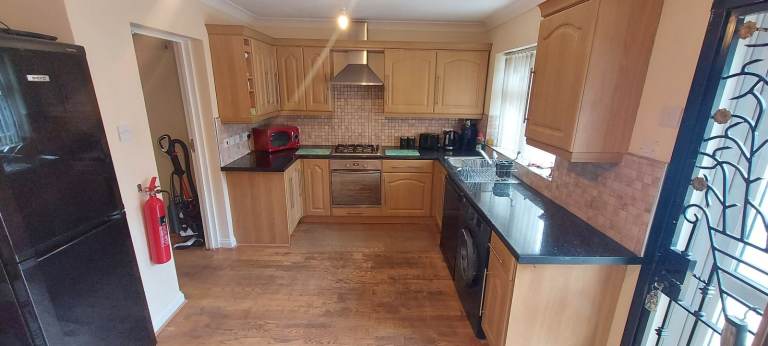
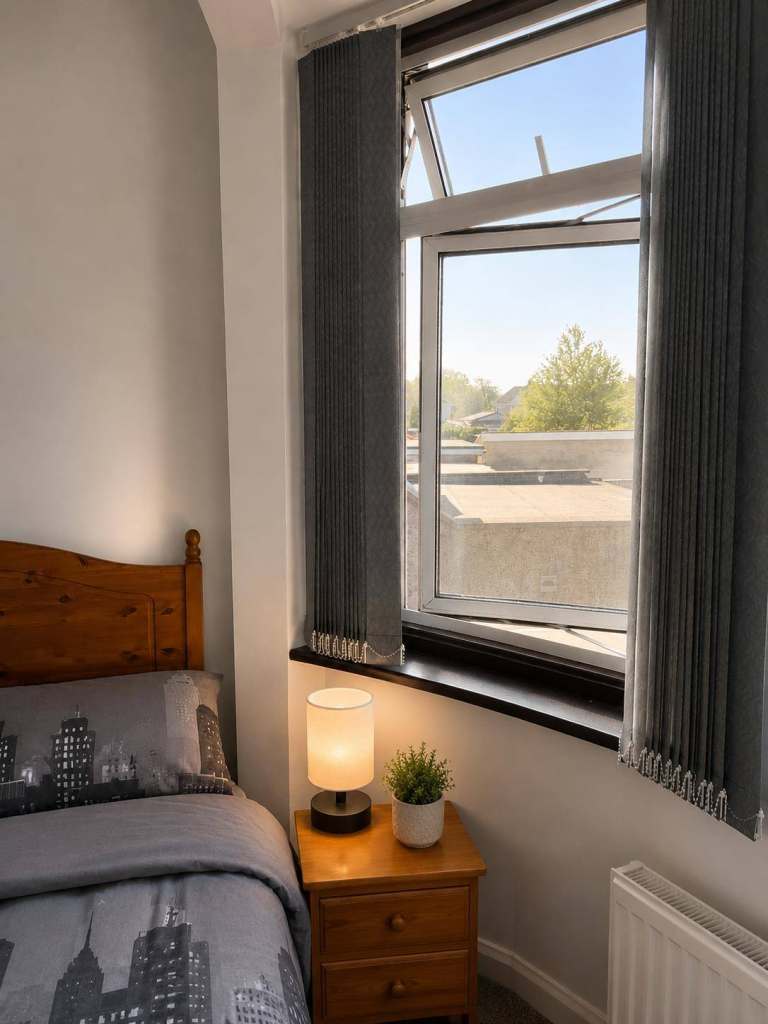
Inspect the room for any existing damage, such as cracks, stains, or broken fixtures. Ensure the provided furniture is in good condition and meets your needs. Ask about the room's heating and ventilation, and check for adequate natural light. It's also wise to assess the overall cleanliness and condition of the shared areas like the kitchen and bathroom.
Enquire about their lifestyle, working hours, and social habits to ensure compatibility. Discuss expectations regarding cleanliness, noise levels, and guests. Clarify how bills are split and paid, and understand the house rules and any existing agreements between tenants. It's also a good idea to ask about their previous experience with shared living.
Ensure you have a written tenancy agreement that outlines your rights and responsibilities. Understand the terms of the agreement, including the length of the tenancy, rent payment schedule, and deposit protection scheme. Be aware of your landlord's obligations regarding repairs and maintenance. If you are unsure, seek legal advice from a solicitor or a tenants' rights organisation.
Arrange viewings during daylight hours if possible. Inform a friend or family member about the viewing and share the address. Trust your instincts; if you feel uncomfortable or unsafe, leave immediately. Check that the property has working smoke detectors and carbon monoxide detectors, and that fire exits are clear and accessible.
Your landlord must protect your deposit in a government-approved deposit protection scheme within 30 days of receiving it. Ask for proof of deposit protection. Understand the rent payment schedule and the consequences of late payments. Ensure you receive a written receipt for all rent payments. Be aware of the process for claiming your deposit back at the end of the tenancy, and the potential deductions the landlord may make.