1/7
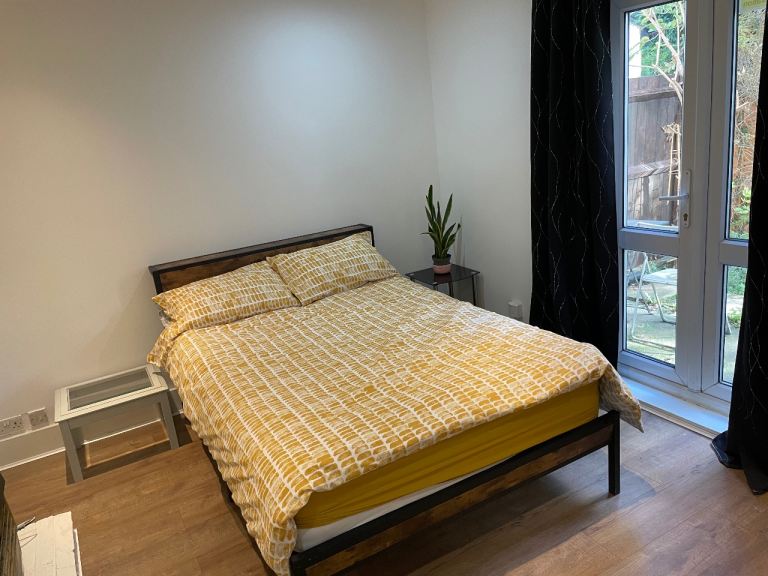
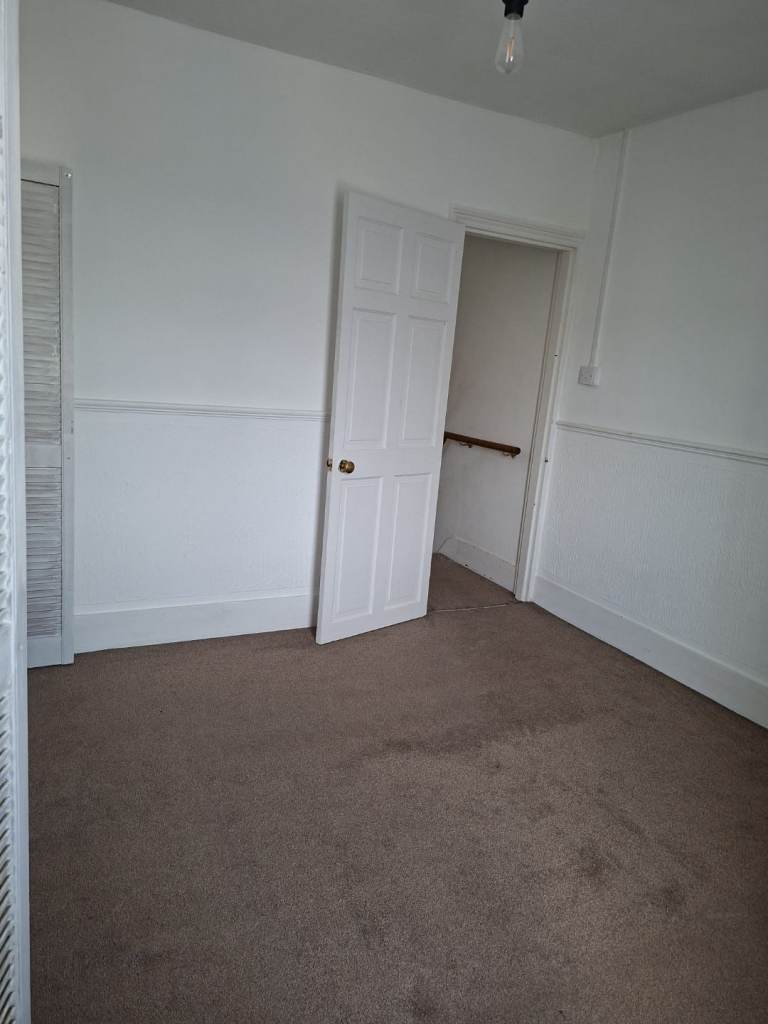
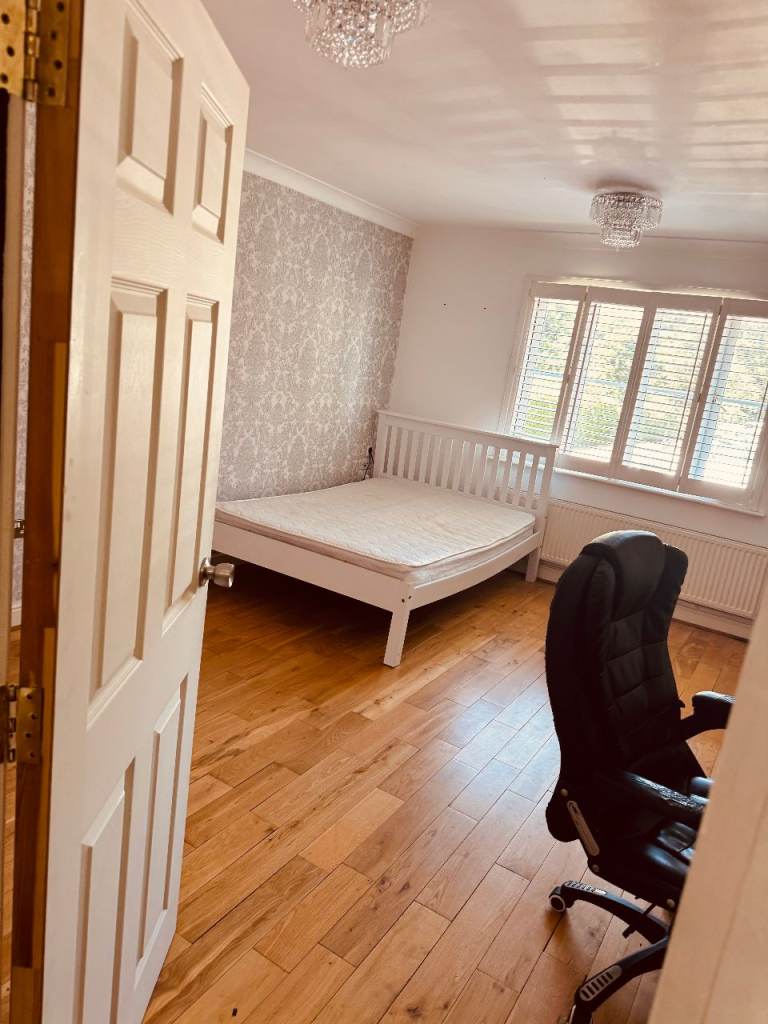
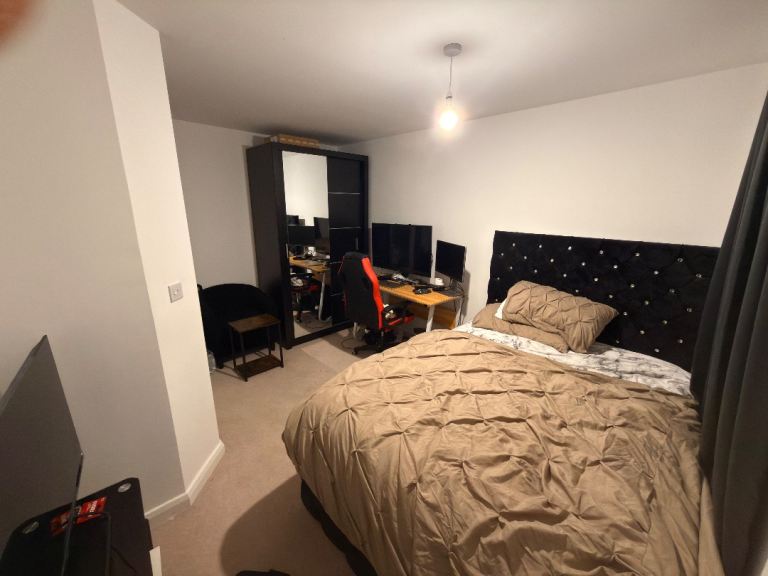
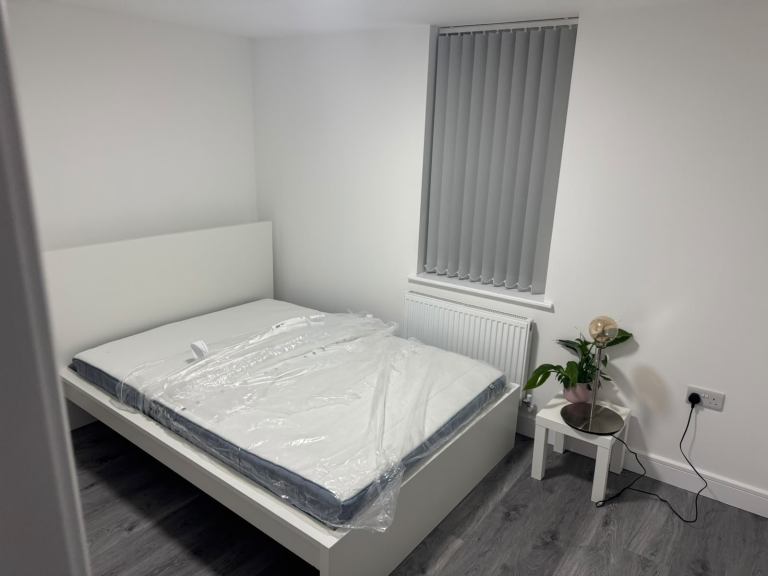
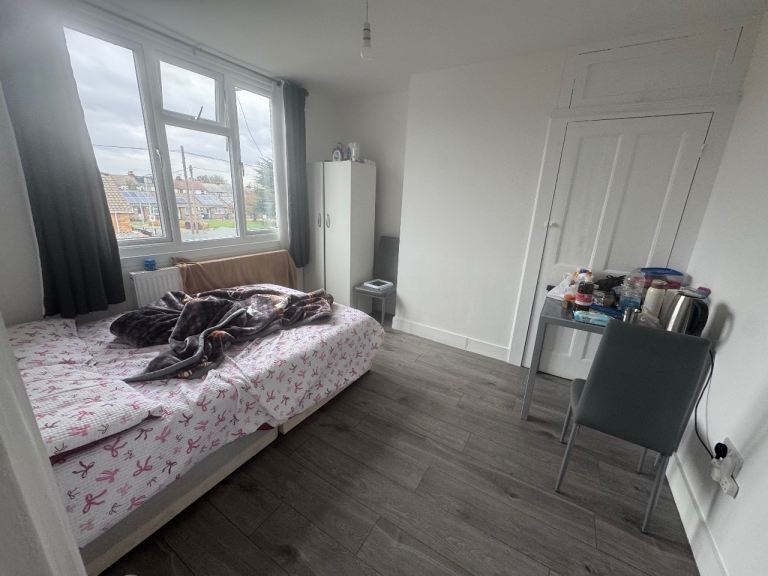
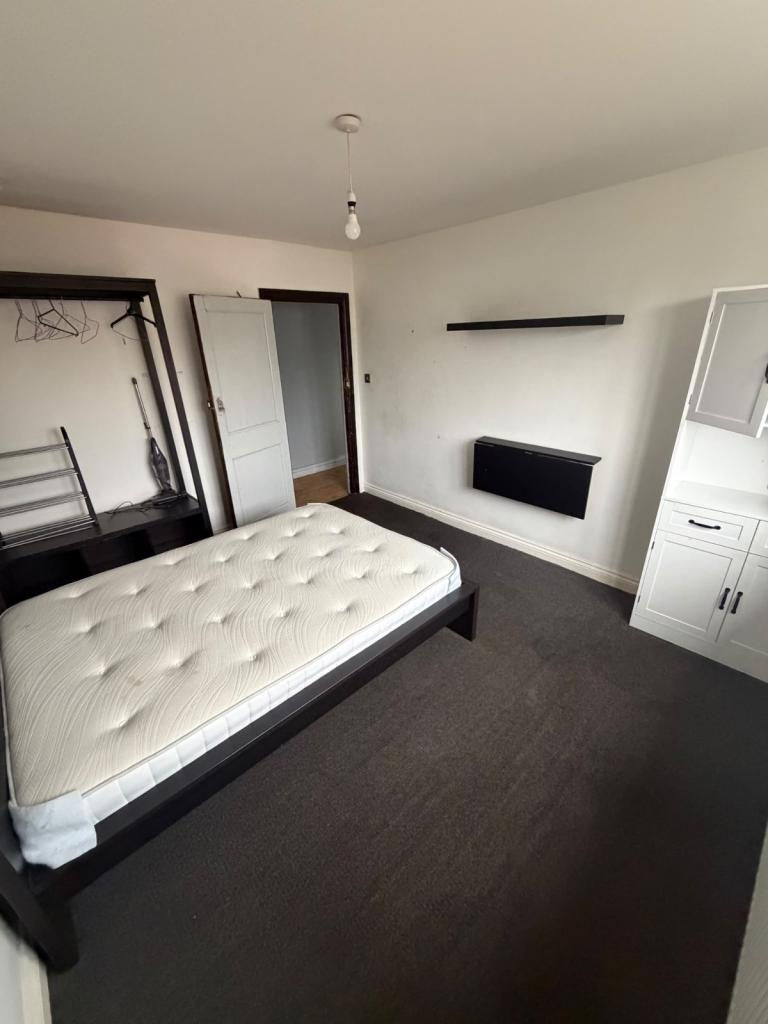
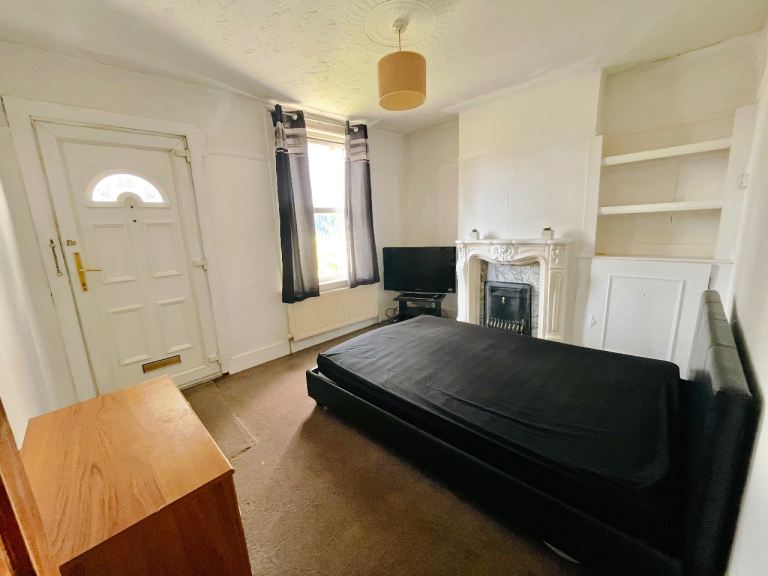
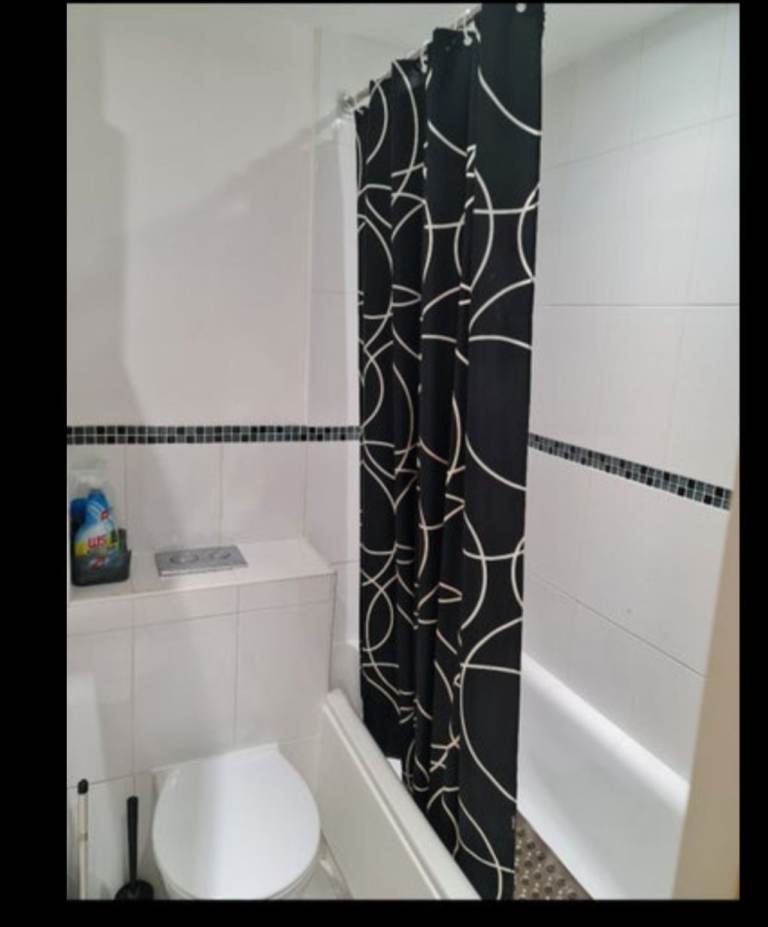
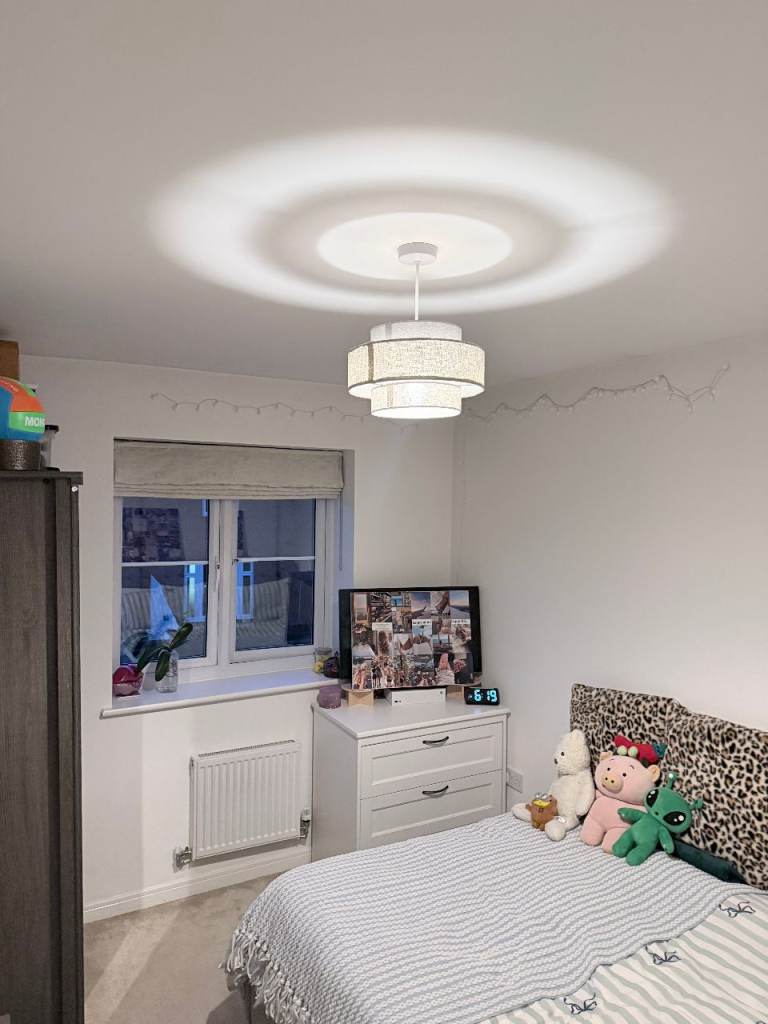
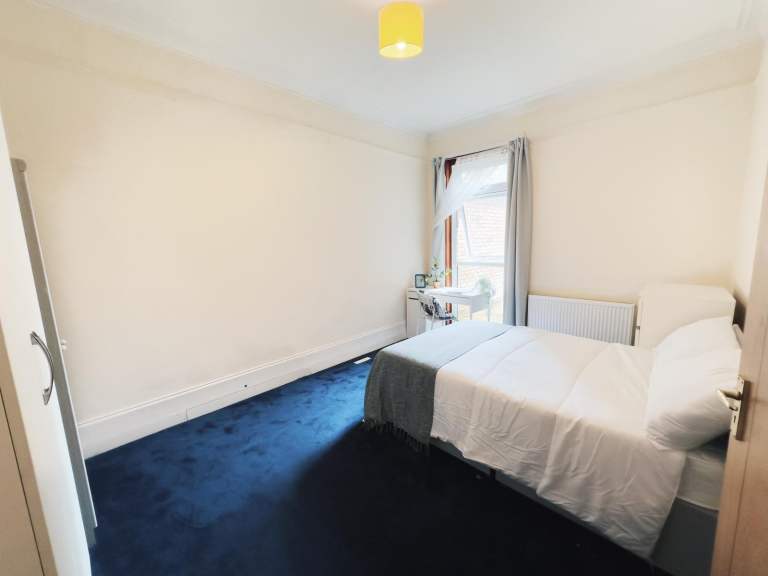
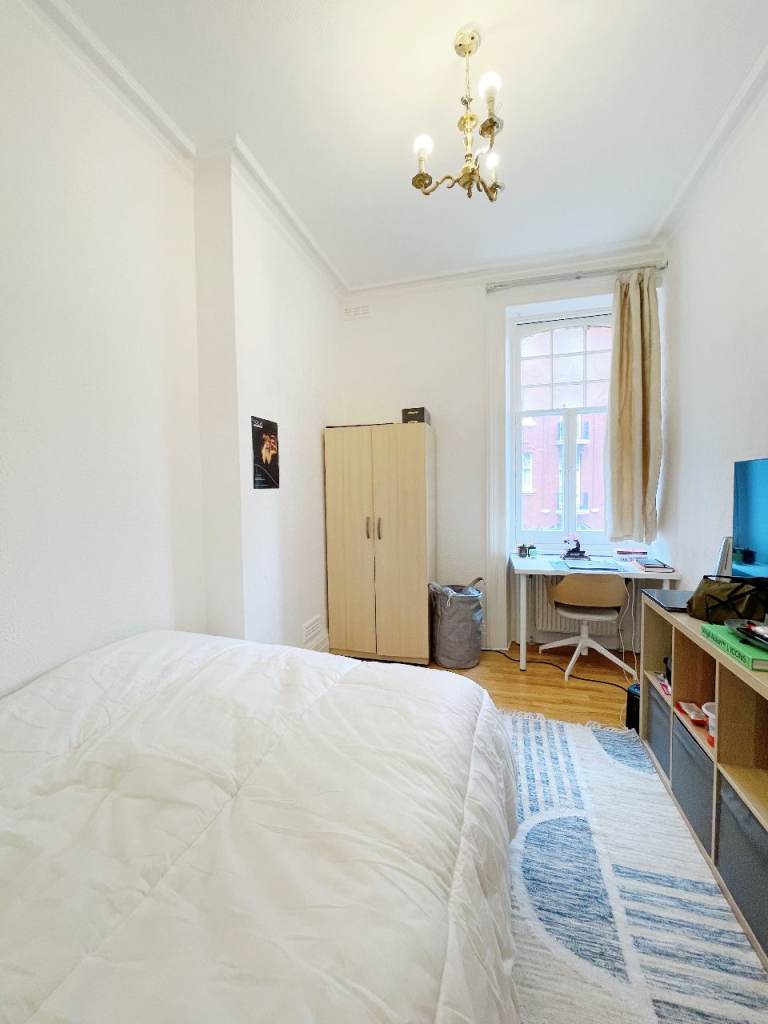
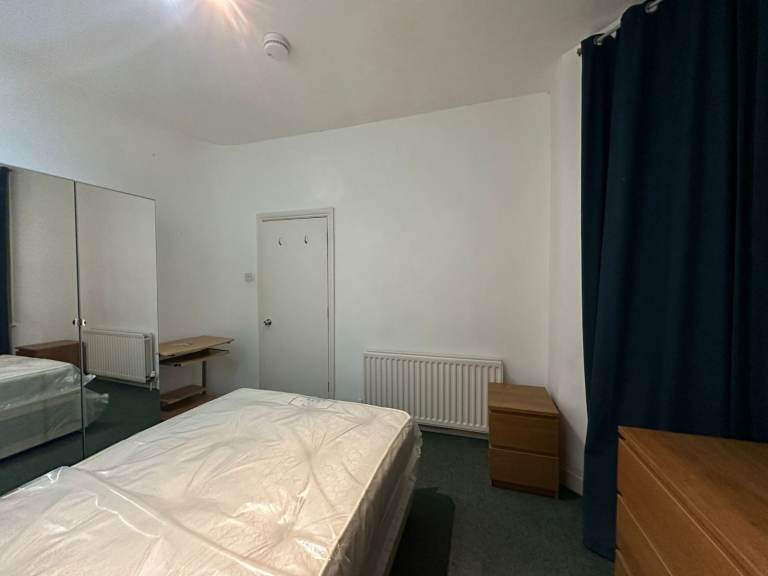
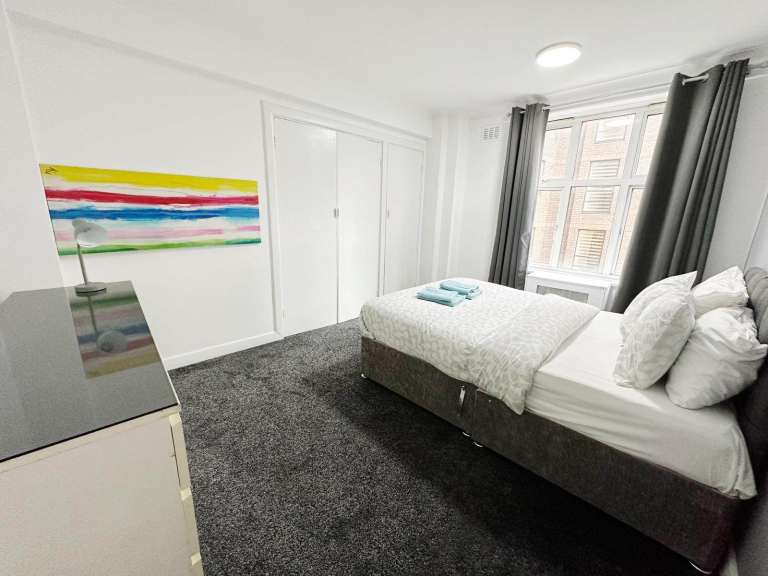
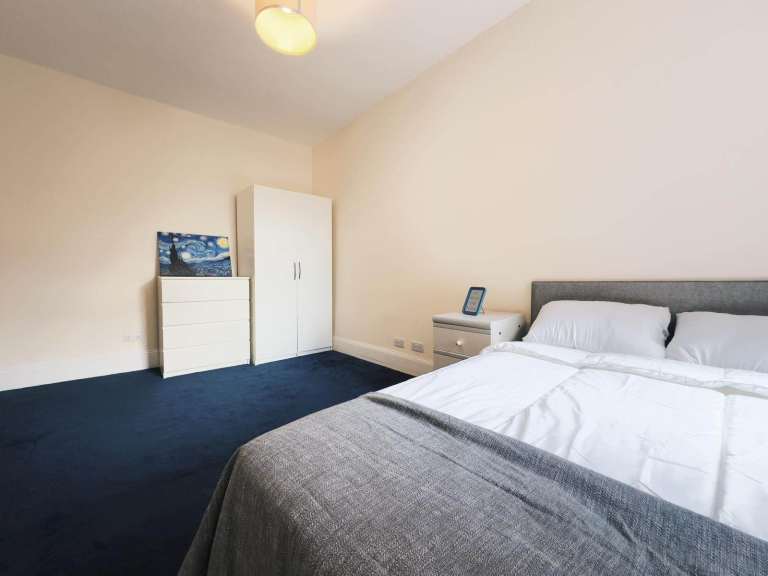
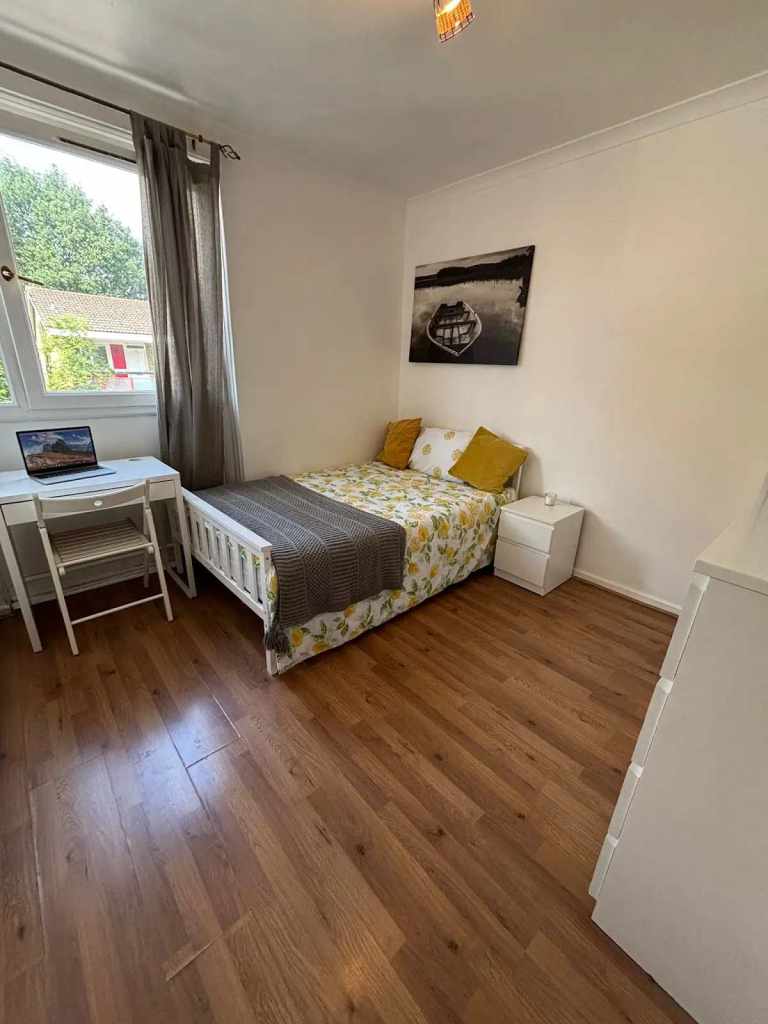
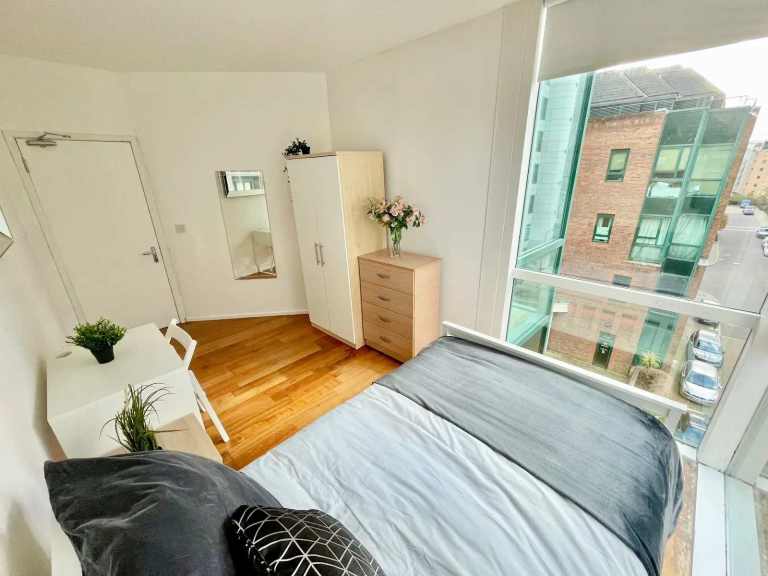
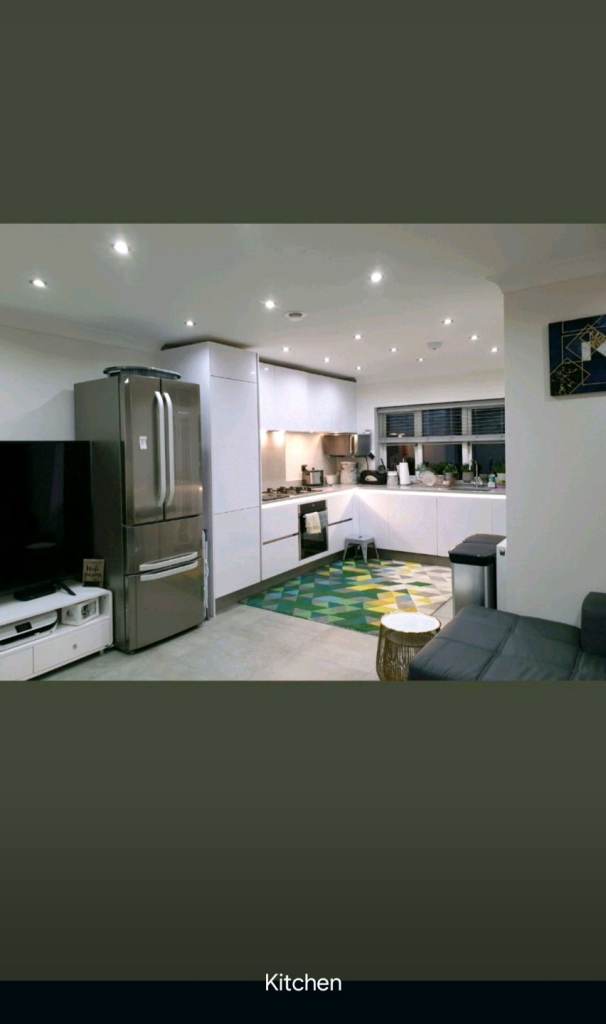
1x Ensuite Double Room, Bills Inc - £800pm
PrivateHouse
Gravesend, Kent
£800pm
Ensure the agreement clearly outlines each tenant's responsibilities, including rent payment amounts and due dates, utility bill contributions, cleaning duties, and any house rules. Check for clauses regarding deposit protection, notice periods for moving out, and procedures for resolving disputes between housemates. It's advisable to have the agreement reviewed by a legal professional before signing.
As a lodger, your rights depend on whether you live with the landlord. If you do, you're likely an excluded occupier with limited rights. If the landlord doesn't live there, you may have more rights, potentially becoming an assured shorthold tenant. Understand your notice period and eviction rights, which are generally shorter for lodgers. Always request a written agreement outlining your rights and responsibilities.
Arrange viewings during daylight hours if possible, and ideally take a friend or family member with you. Be aware of your surroundings and trust your instincts. Ask about the property's security measures, such as working smoke alarms, carbon monoxide detectors, and secure locks on doors and windows. Check the neighbourhood's crime statistics if you have concerns.
Ask about their lifestyle, working hours, social habits, and cleaning preferences to ensure compatibility. Discuss expectations regarding noise levels, guests, and shared spaces. Inquire about their financial stability to ensure they can reliably pay their share of the rent and bills. It's also helpful to ask about their previous shared living experiences.
In the UK, landlords are legally required to protect your deposit in a government-approved scheme. The three main schemes are Deposit Protection Service (DPS), MyDeposits, and Tenancy Deposit Scheme (TDS). The landlord must inform you which scheme they're using within 30 days of receiving your deposit. At the end of the tenancy, the deposit should be returned to you promptly, provided there are no deductions for damages or unpaid rent. If there's a dispute, the scheme offers a dispute resolution service.