5
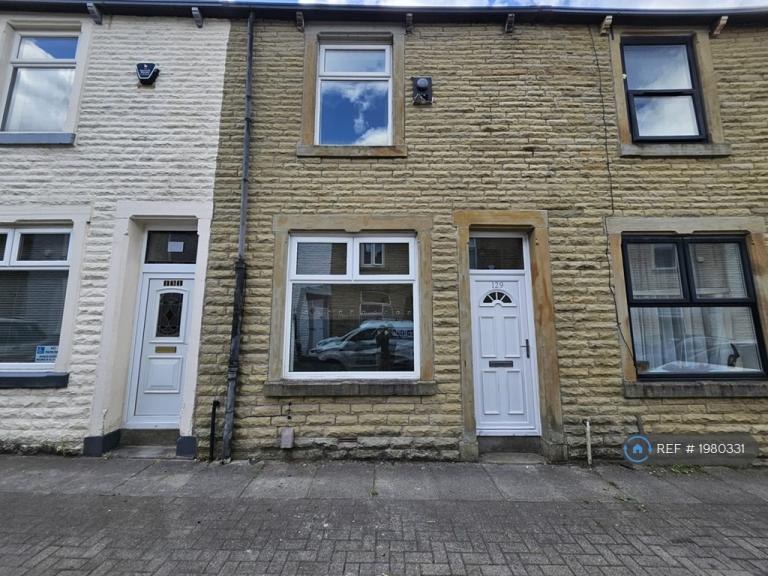
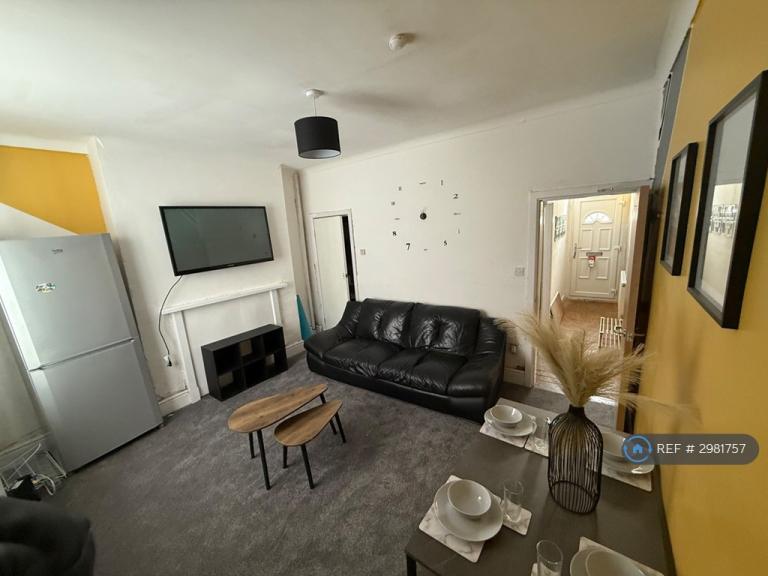
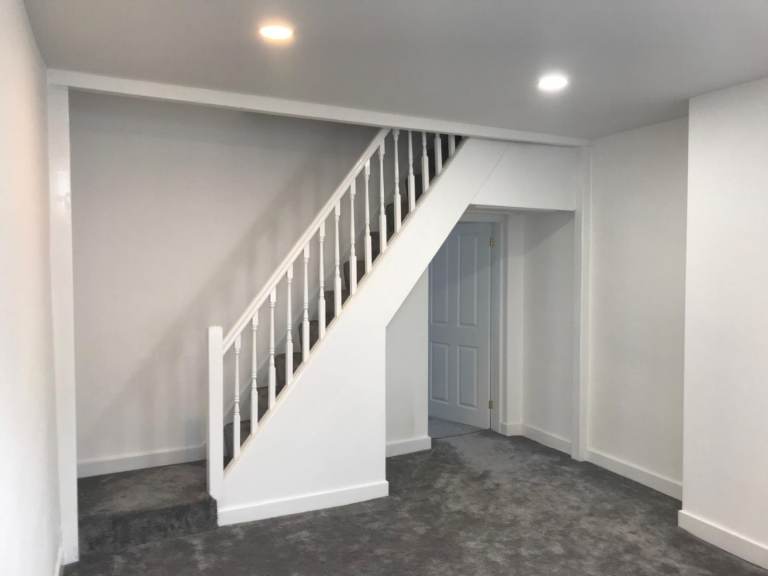
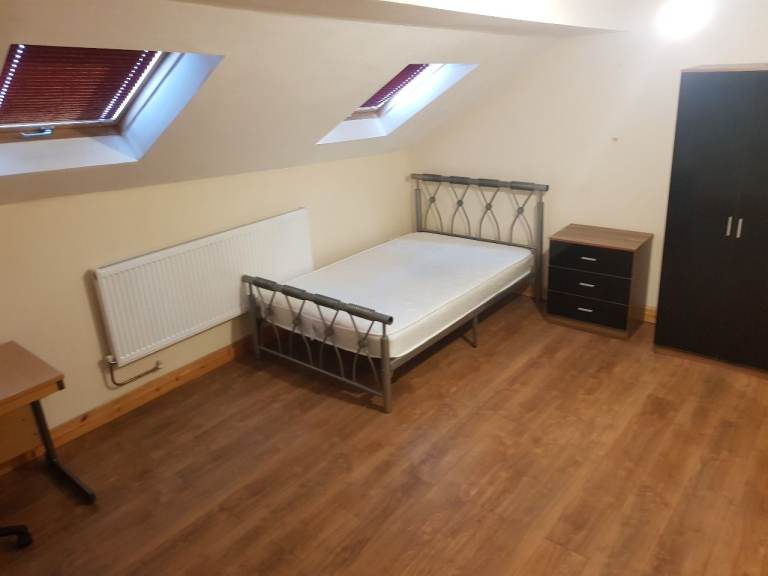
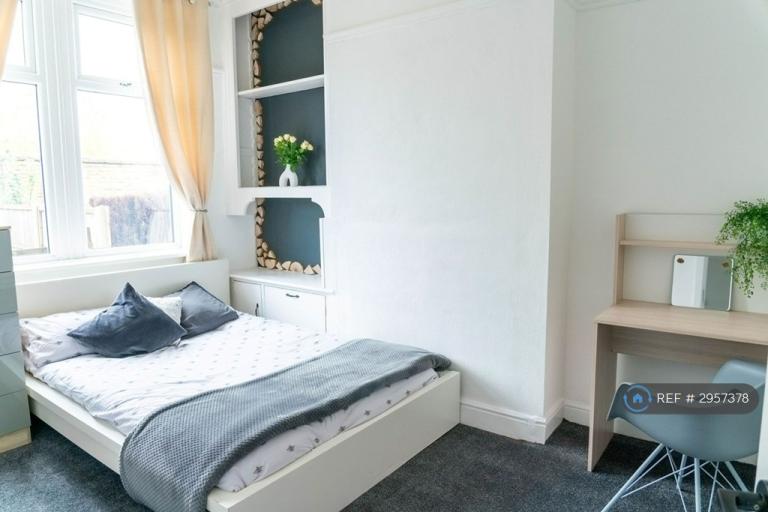
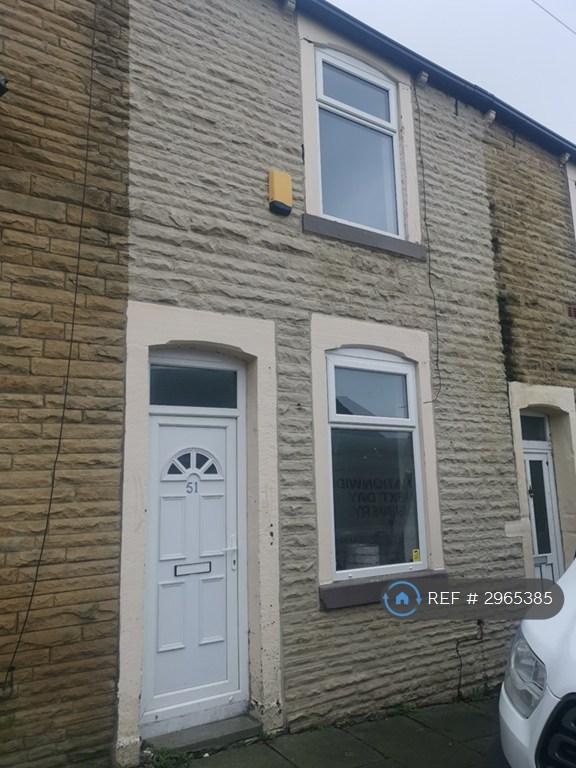
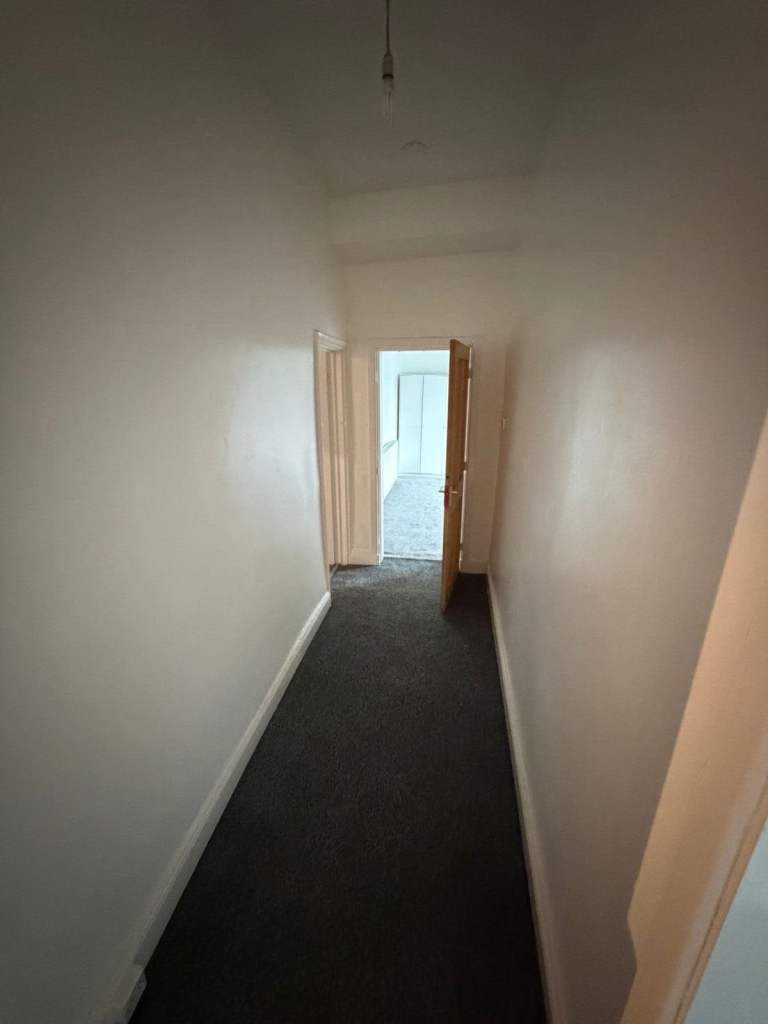
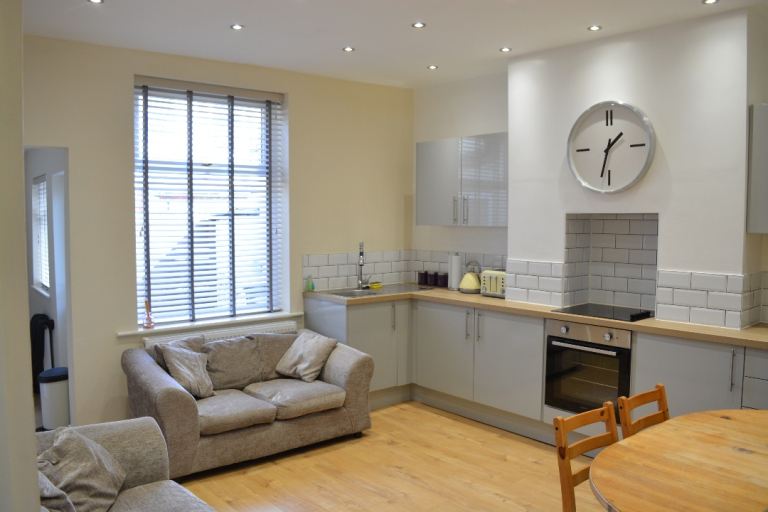
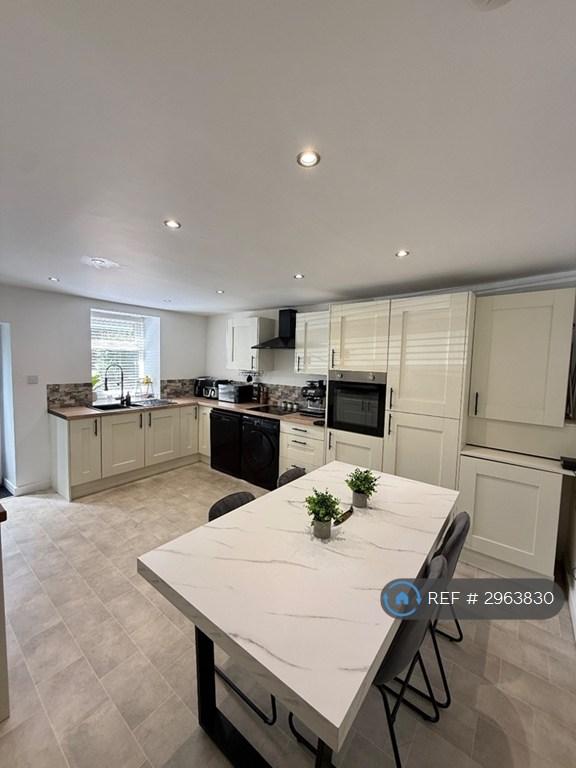
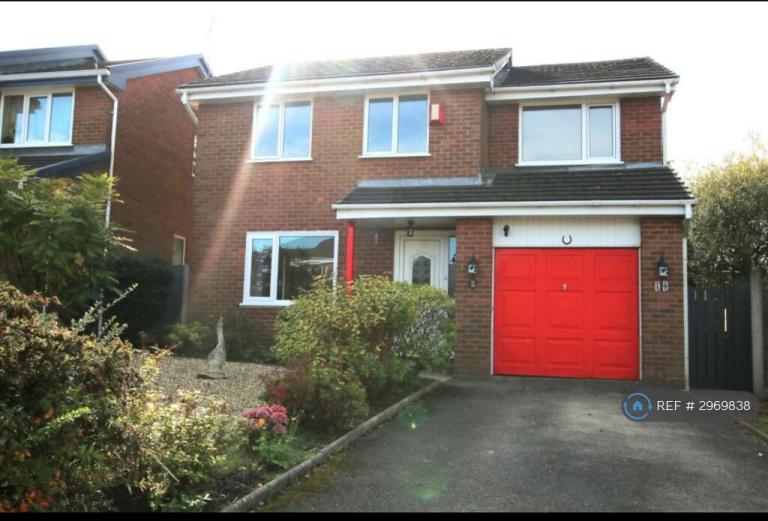
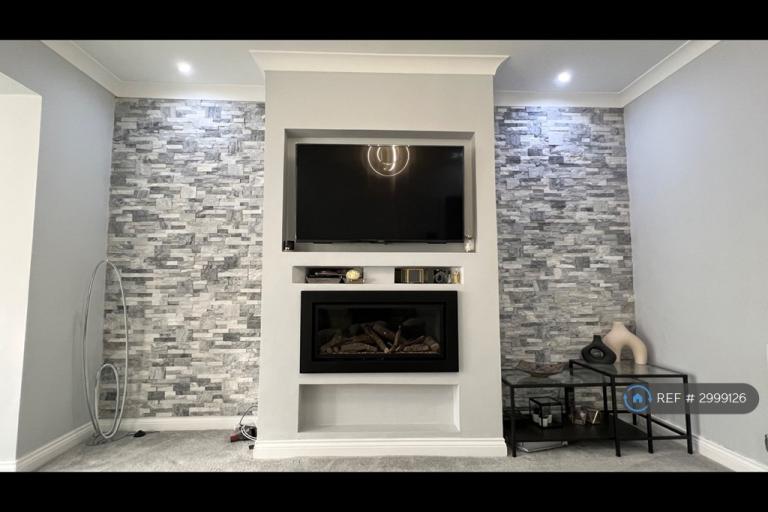
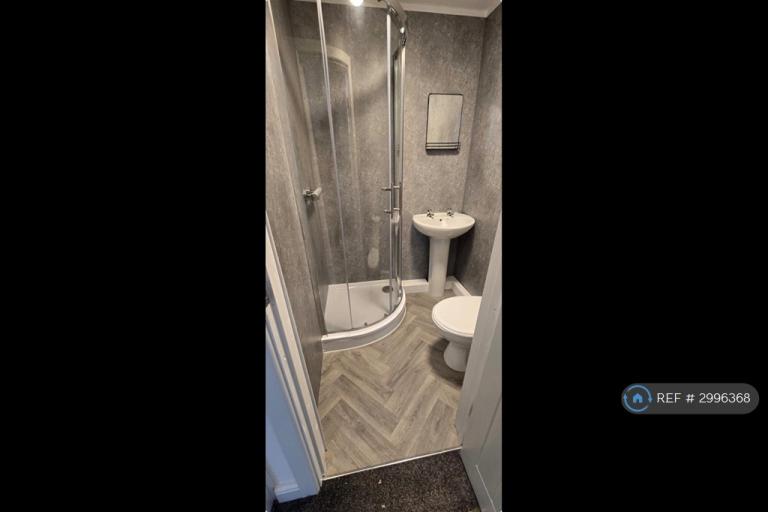
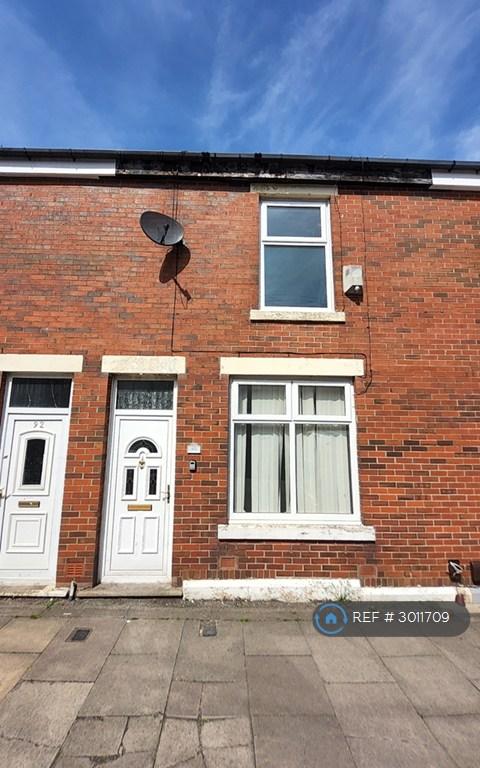
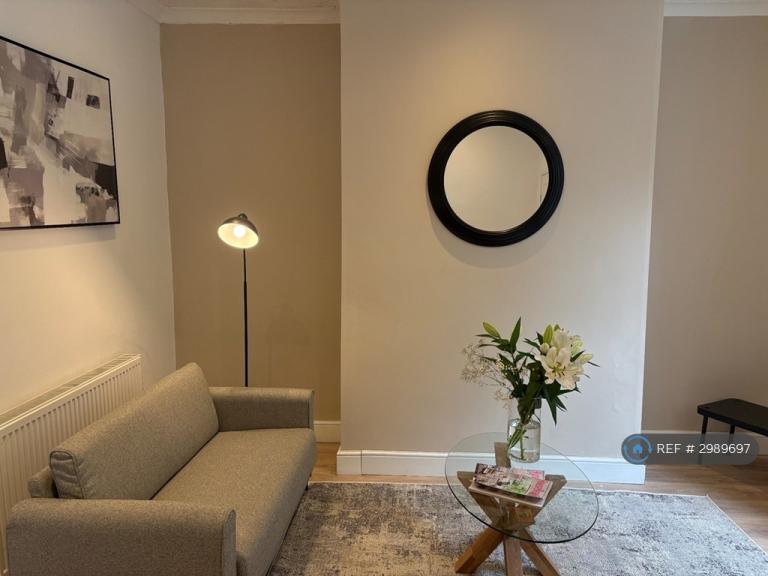
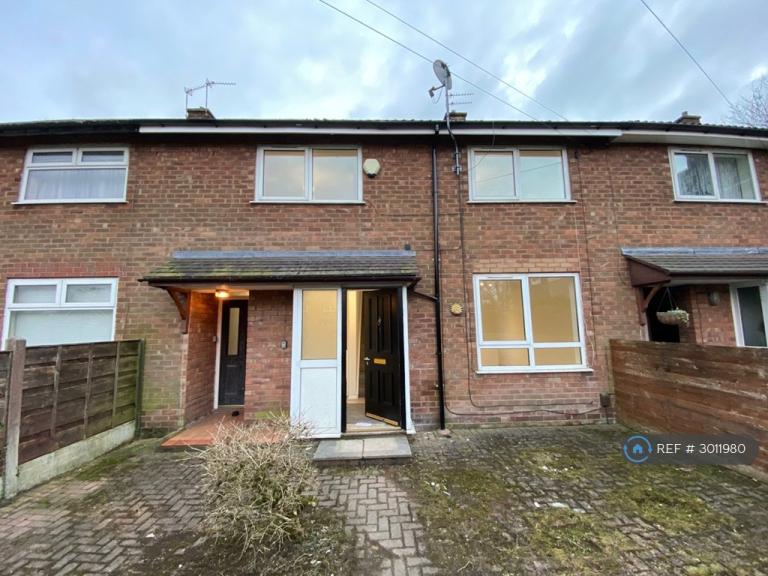
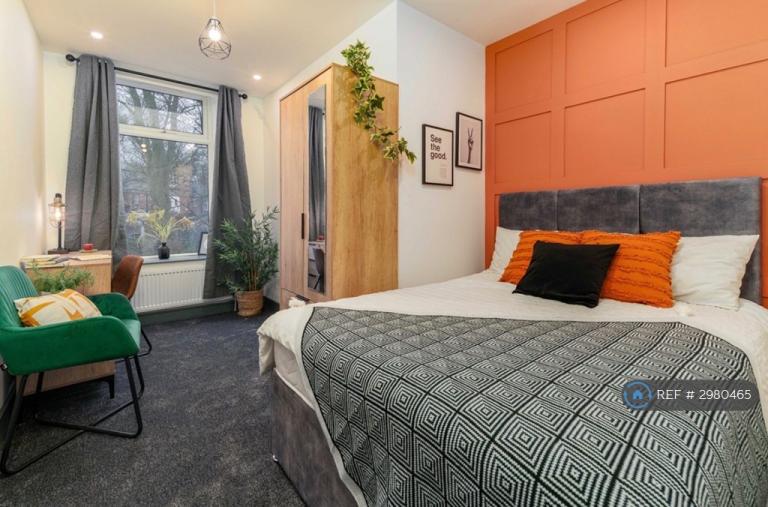
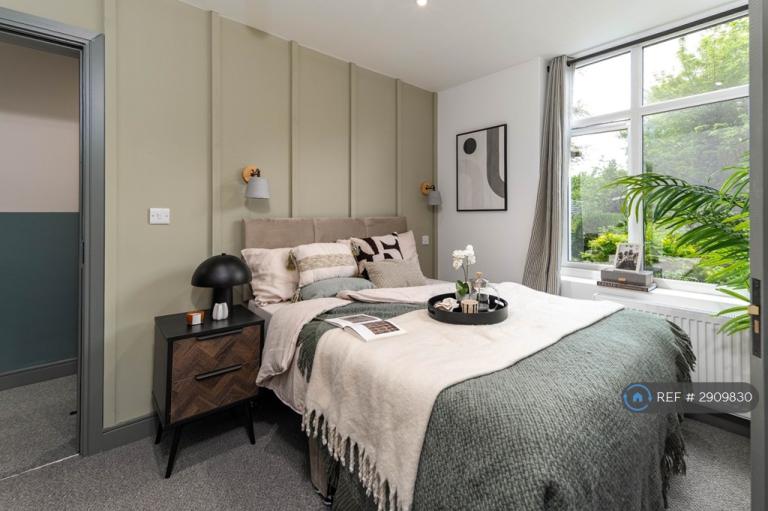
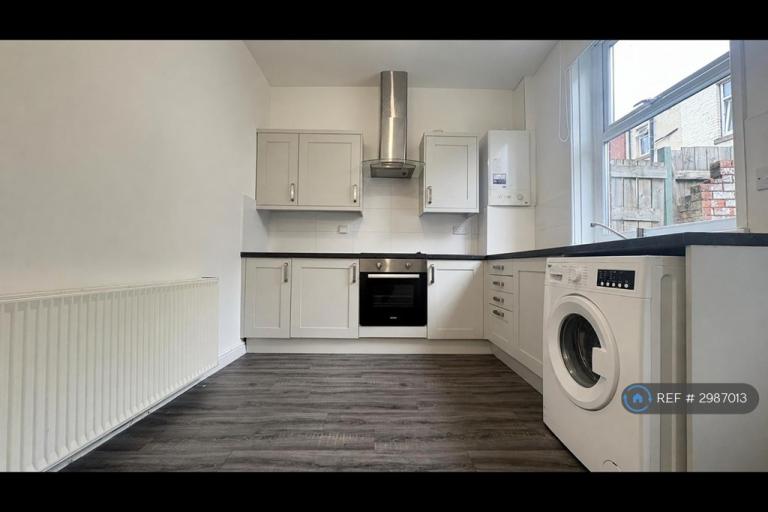
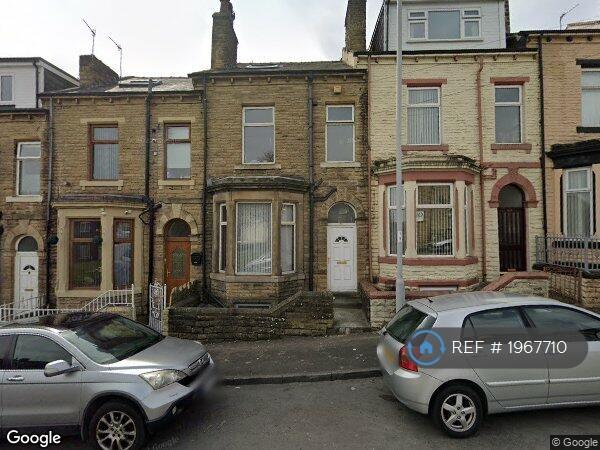
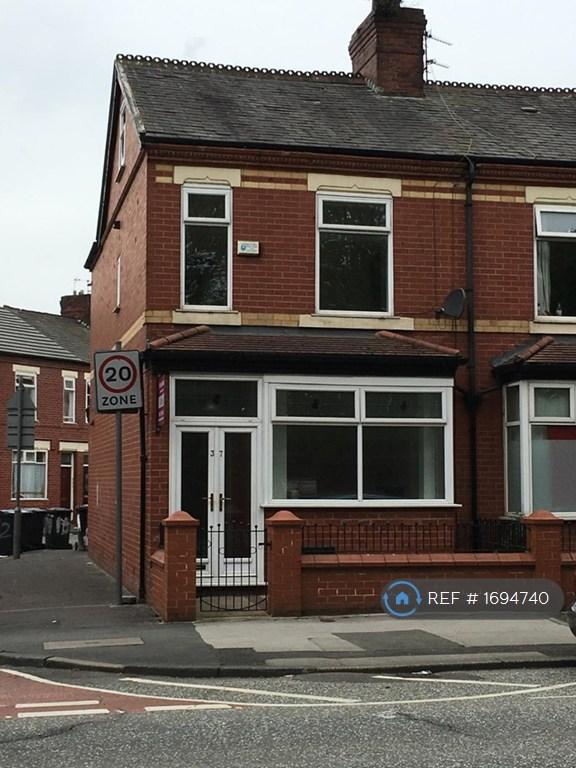
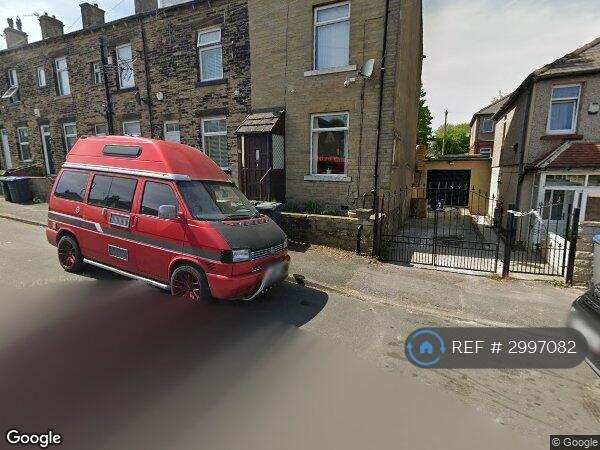
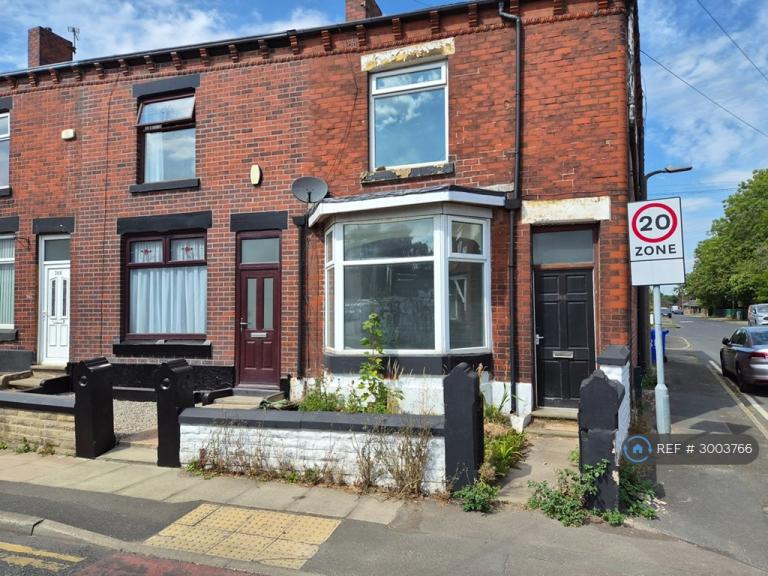
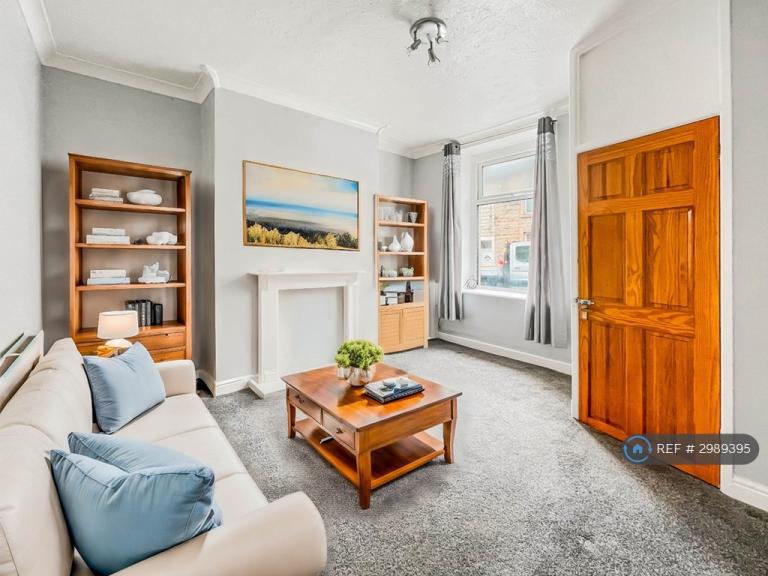
2 bedroom house in Ingham Street, Padiham, Burnley, BB12 (2 bed) (#2989395)
AgencyDate available: 23 Aug 2026House2 Beds
Padiham, Lancashire
£675pm
When viewing a property, carefully inspect for any signs of damp, mould, or structural issues. Check that all appliances are in good working order and that the heating system functions correctly. Pay attention to the overall cleanliness and condition of the property, including the garden if there is one.
Private landlords in the UK, including Burnley, must adhere to several legal requirements. These include ensuring the property has a valid Energy Performance Certificate (EPC), providing a gas safety certificate if there are gas appliances, and protecting your deposit in a government-approved scheme. They must also ensure the property is fit for habitation under the Homes (Fitness for Human Habitation) Act 2018.
Before committing to renting, ask about the tenancy agreement length, the deposit amount and how it will be protected, whether pets are allowed, who is responsible for garden maintenance, and what the procedure is for reporting repairs. Also, enquire about council tax and utility bill responsibilities.
When viewing a property, ensure you are accompanied by the landlord or their representative. Be aware of your surroundings and avoid sharing personal information unnecessarily. If possible, bring a friend or family member with you for added security. If something feels unsafe, trust your instincts and leave.
As a tenant in the UK, you have the right to live in a safe and habitable property. Your landlord must carry out necessary repairs and maintain the property to a reasonable standard. You also have the right to quiet enjoyment of the property, meaning the landlord cannot enter without giving you reasonable notice, except in emergencies. You are also protected from unfair eviction.