Featured
12
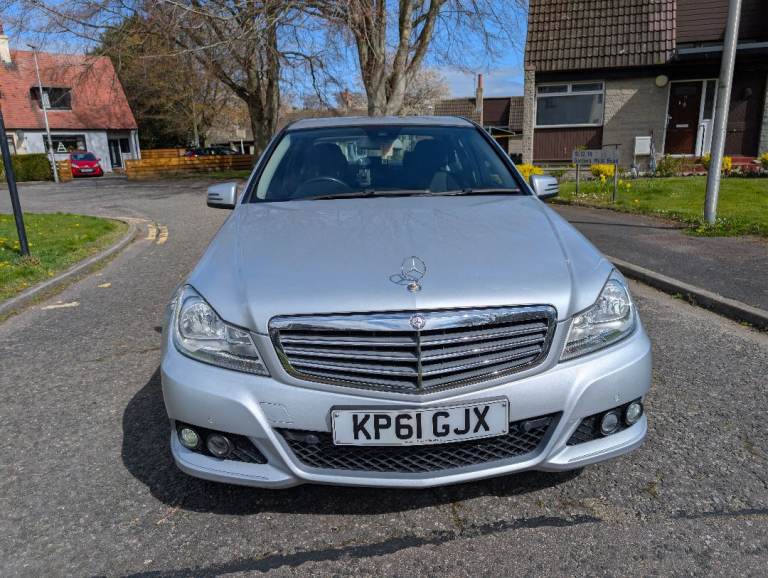
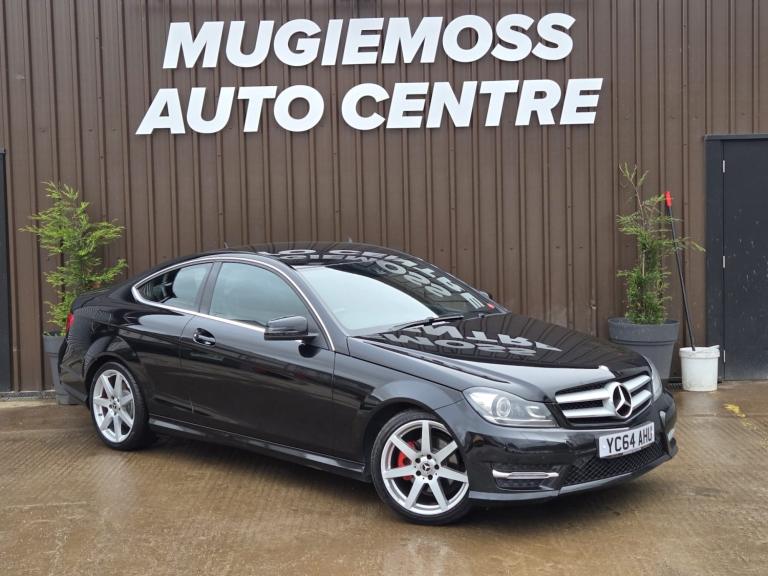
Mercedes-Benz, C CLASS, Saloon, 2011, Semi-Auto, 1796 (cc), 4 doors
2011103,642 milesPrivatePetrol1,796 cc
Aberdeen
£4,990
When buying a used automatic car, thoroughly inspect the gearbox for smooth gear changes and listen for any unusual noises. Check the service history for transmission fluid changes, as neglecting this can lead to costly repairs. Also, ensure the car starts easily and idles smoothly, and carefully examine the bodywork for rust or signs of accident damage. A pre-purchase inspection by a qualified mechanic is highly recommended.
In the UK, the seller must accurately describe the vehicle and its condition. You should ensure the car has a valid MOT certificate. It's also vital to check the vehicle's history using a service like the DVLA or a private history check provider to confirm it hasn't been written off, stolen, or has outstanding finance. As a buyer, you are responsible for insuring the vehicle before driving it on public roads.
Ask about the car's service history, including when the last transmission fluid change was performed. Inquire about any previous accidents or repairs, and whether the car has any known mechanical issues. Also, ask about the number of previous owners and the reason for selling the vehicle. Request to see the vehicle's logbook (V5C) to verify the seller's identity and the car's details.
Prioritise cars with features like Anti-lock Braking System (ABS), Electronic Stability Control (ESC), and multiple airbags. Parking sensors or a reversing camera are beneficial for navigating tight spaces and parking in urban environments. Consider cars with automatic emergency braking (AEB) or lane departure warning systems for added safety.
Common issues include slipping gears, harsh or delayed gear changes, unusual noises (whining, clunking), and warning lights on the dashboard. Check for leaks around the gearbox. If possible, get the car scanned for diagnostic trouble codes (DTCs) which can indicate underlying problems. A 'limp mode' or restricted performance can also indicate a serious gearbox fault.
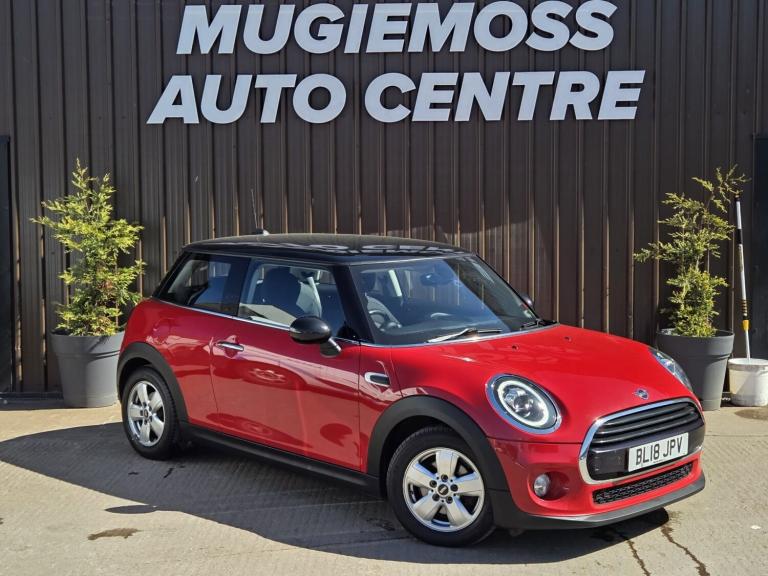
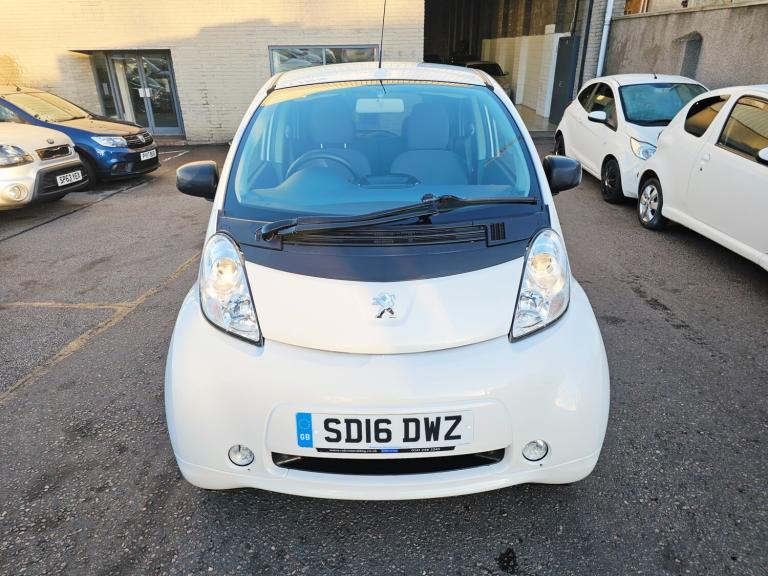
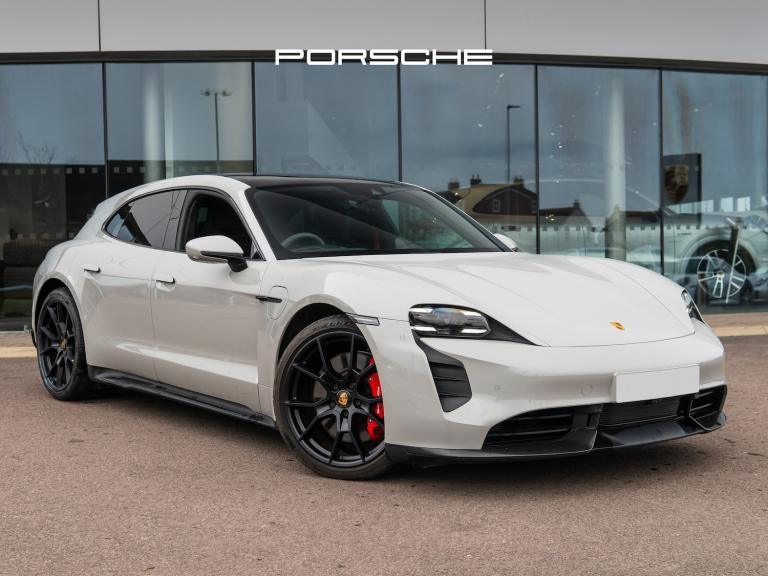
![2023 Porsche Taycan 500kW Turbo 93kWh 5dr Auto [22kW] [5 Seat] Electric](https://img.gumtree.com/ePR8PyKf84wPHx7_RYmEag/4eedc5a2d99d4142a2_9527e223fdfb/86)
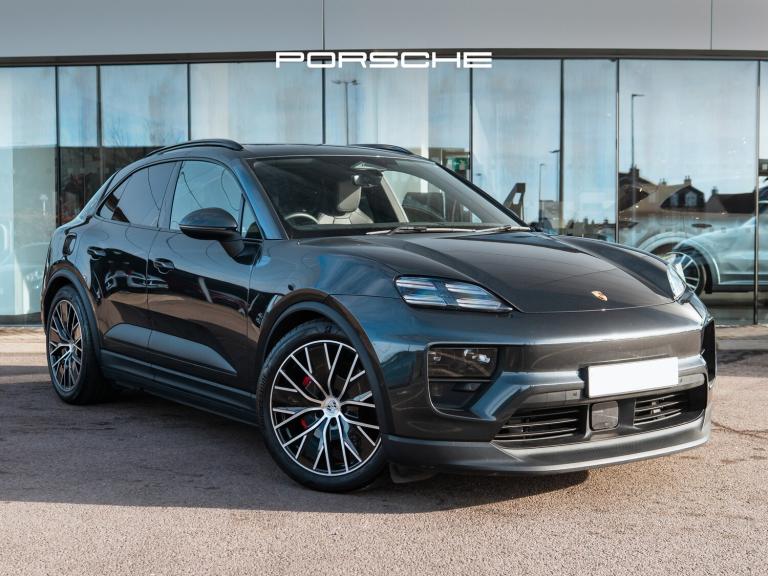
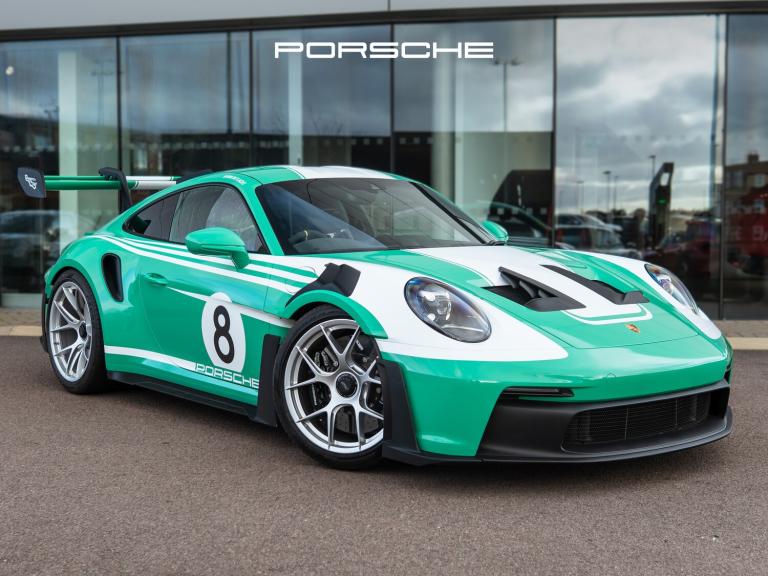

![2018 Volvo V40 T3 [152] Inscription 5dr Geartronic HATCHBACK PETROL Automatic](https://img.gumtree.com/ePR8PyKf84wPHx7_RYmEag/528301247b3945339a_c0b1e8275e8b/86)