1/27
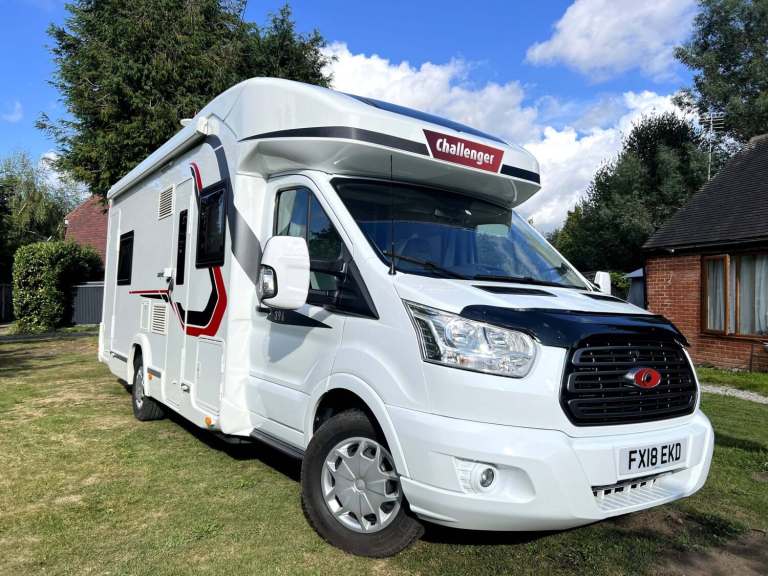
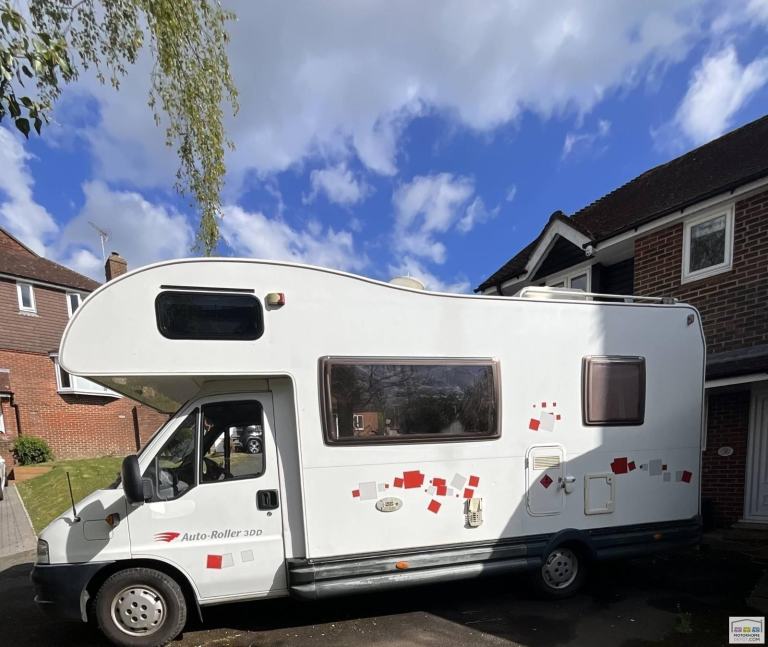
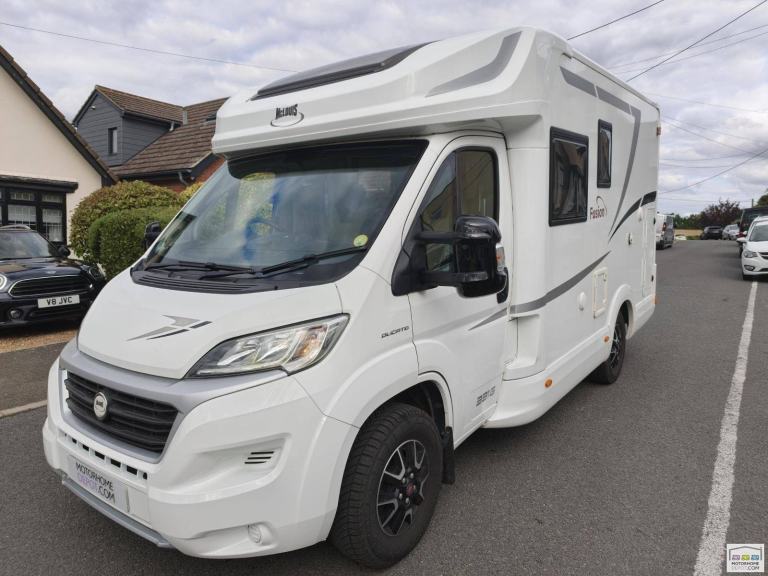
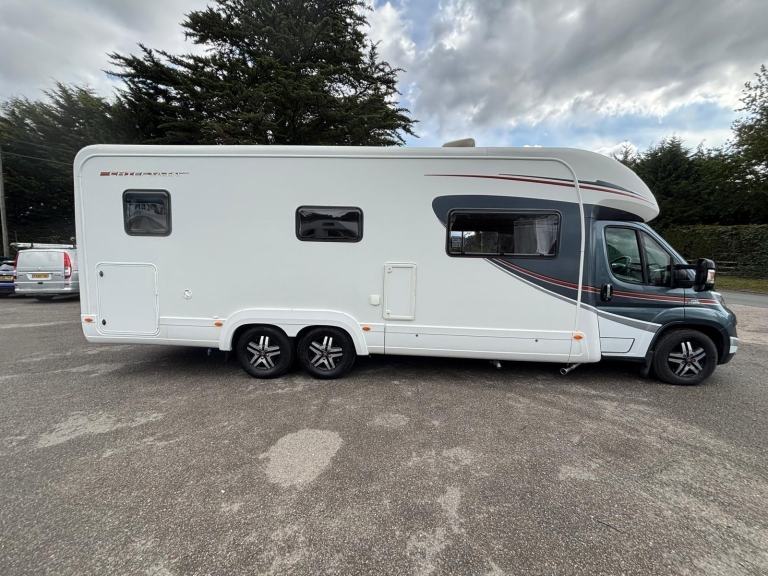
2016/66 FIAT AUTO-TRAIL CHIEFTAIN FRONTIER
201618,000 milesTradeDiesel2,999 cc
Charing, Kent
£49,995
When inspecting a used campervan or motorhome, thoroughly check for dampness and water ingress, especially around windows, seams, and rooflights. Examine the condition of the tyres, battery, and engine. Test all appliances, including the fridge, hob, oven, and water heater. Ensure all lights and electrical systems are functioning correctly. It's also wise to check the service history and MOT certificate.
Ensure the campervan or motorhome has a valid MOT certificate. Check that the vehicle's weight is within the legal limits for your driving licence. Verify the vehicle's registration document (V5C) matches the seller's details and the vehicle's VIN. Be aware of any local regulations regarding parking and overnight stays in campervans and motorhomes.
Due to their size and weight, campervans and motorhomes require careful handling. Be mindful of the vehicle's height and width, especially when passing under bridges or through narrow lanes. Secure all loose items before driving to prevent them from shifting during transit. Regularly check tyre pressures and fluid levels. Plan your route in advance, considering the vehicle's capabilities and any potential restrictions.
Ask about the vehicle's service history, including any major repairs or maintenance performed. Enquire about any known issues or defects, such as dampness, electrical problems, or engine troubles. Ask about the vehicle's previous usage, such as whether it has been used for long trips or primarily for weekend getaways. Also, ask if the vehicle has been involved in any accidents.
Consider the layout and sleeping capacity to ensure it meets your needs. Evaluate the storage space available for your belongings. Think about the kitchen facilities, including the hob, oven, and fridge. Check the bathroom facilities, including the toilet and shower. Assess the heating and ventilation systems for comfort in different weather conditions. Also, consider the vehicle's fuel efficiency and overall running costs.