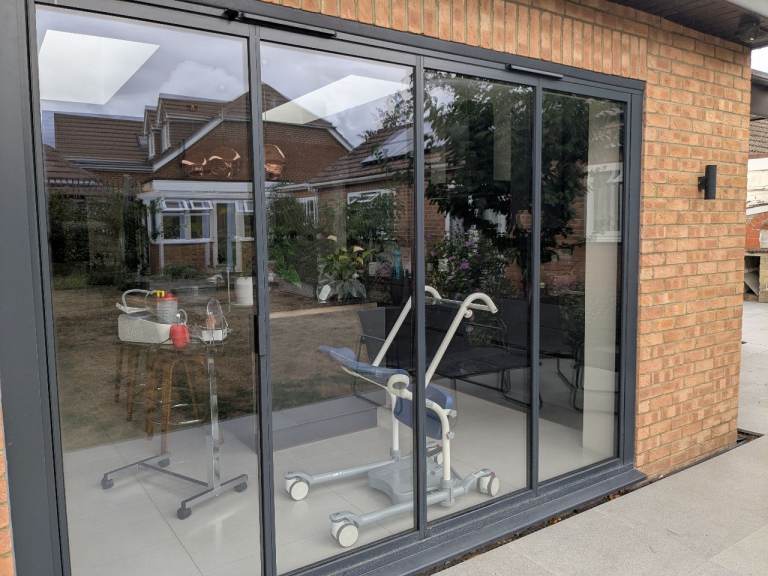
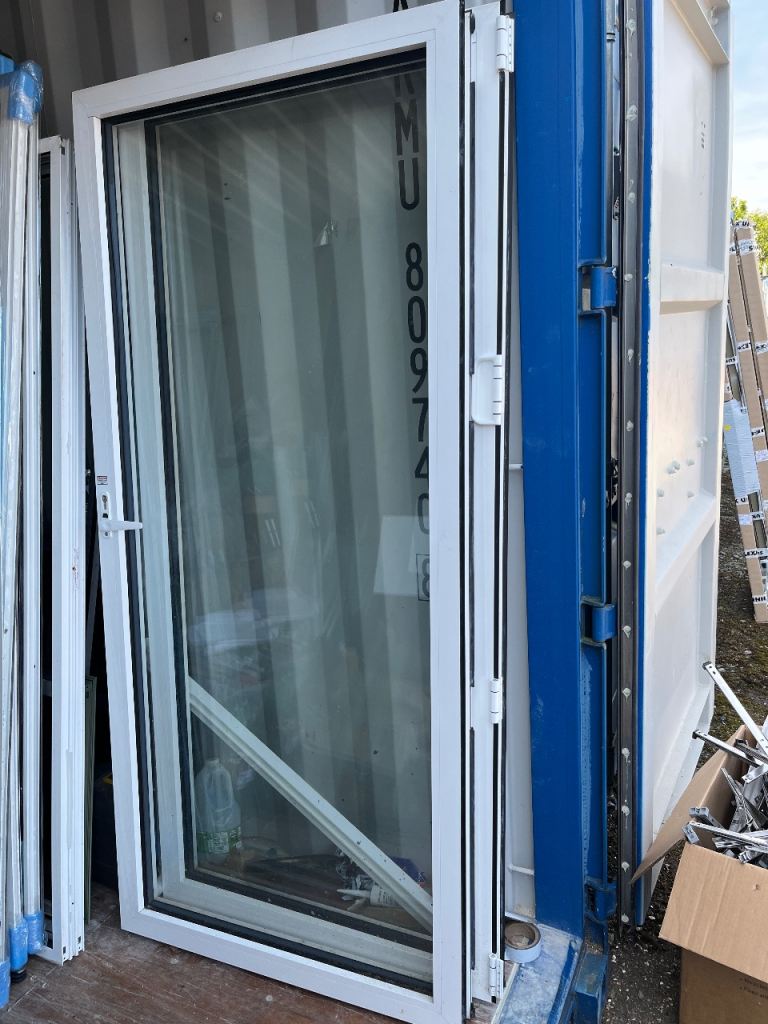
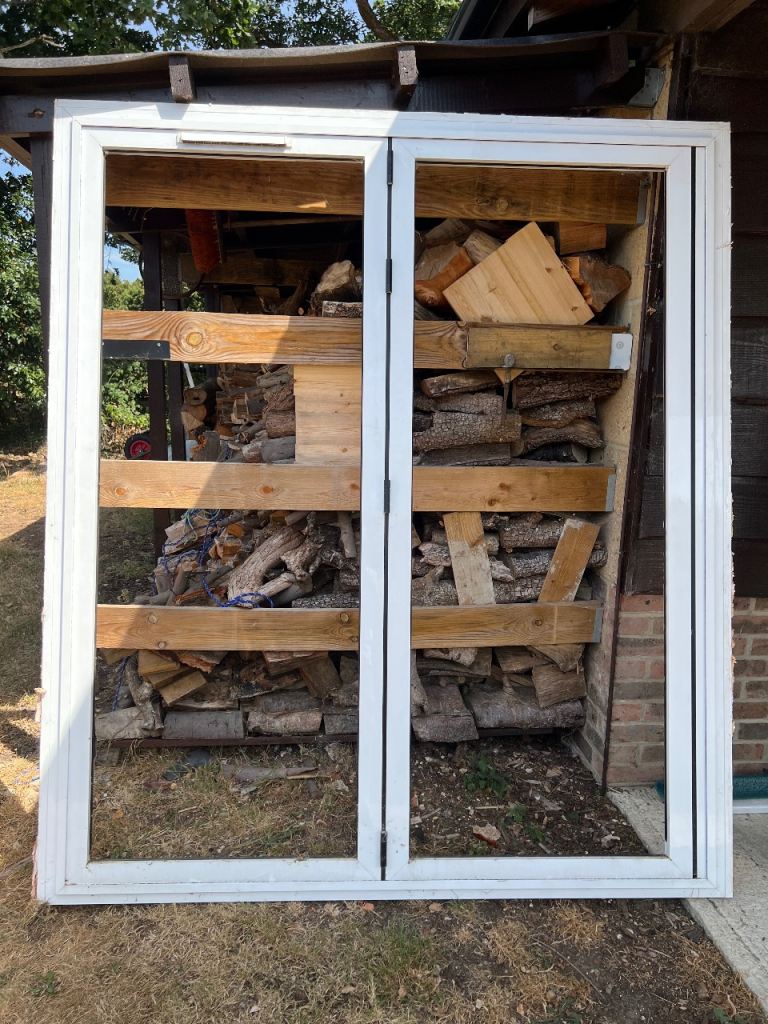
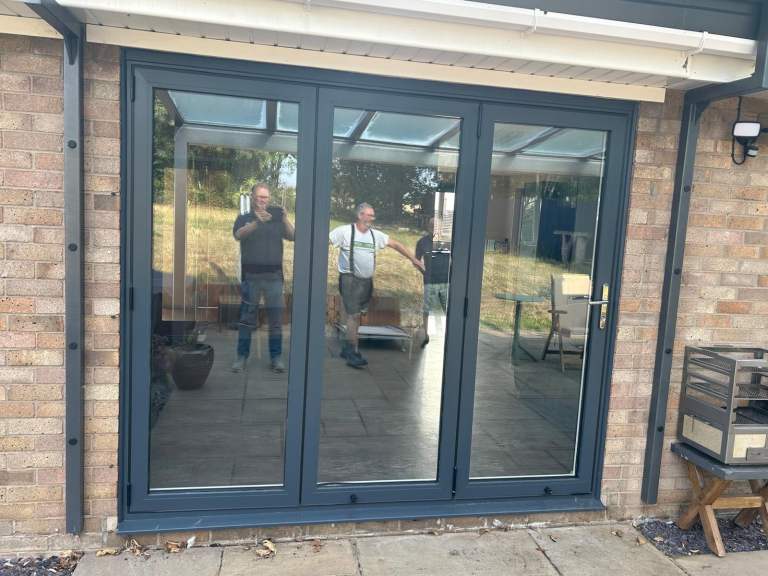
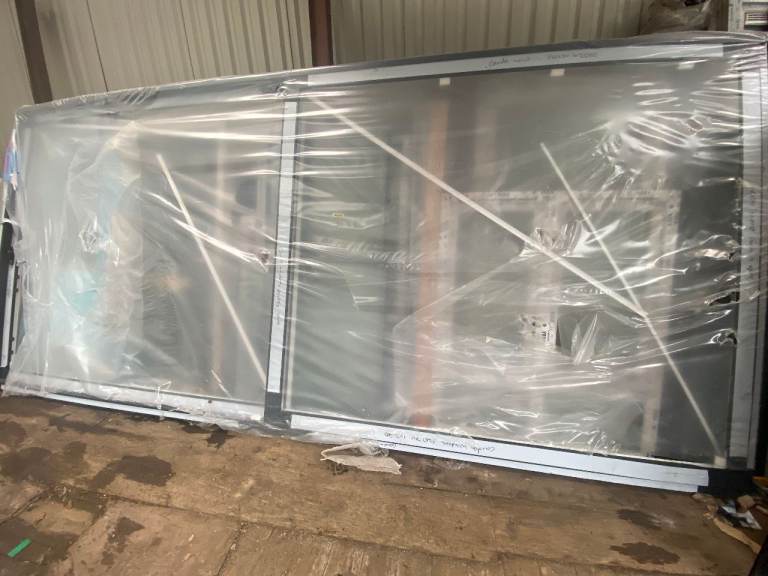
What should I check when buying used bi-fold doors to ensure they are in good working order?
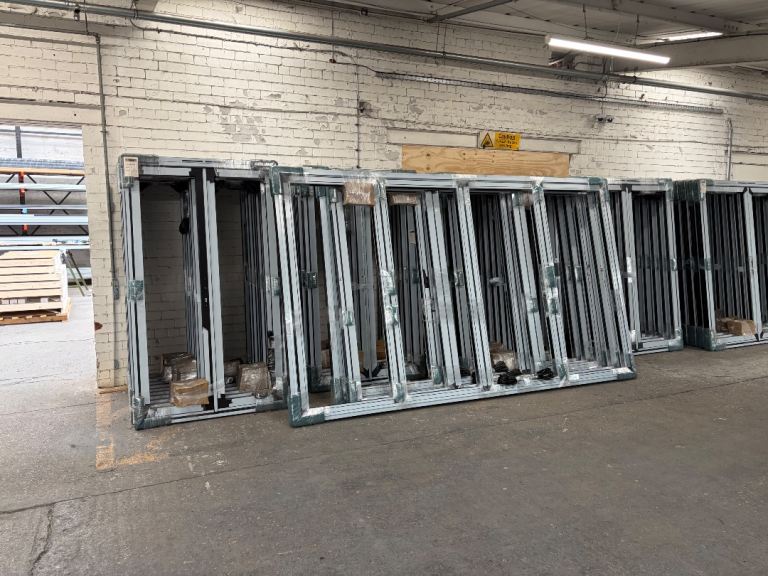
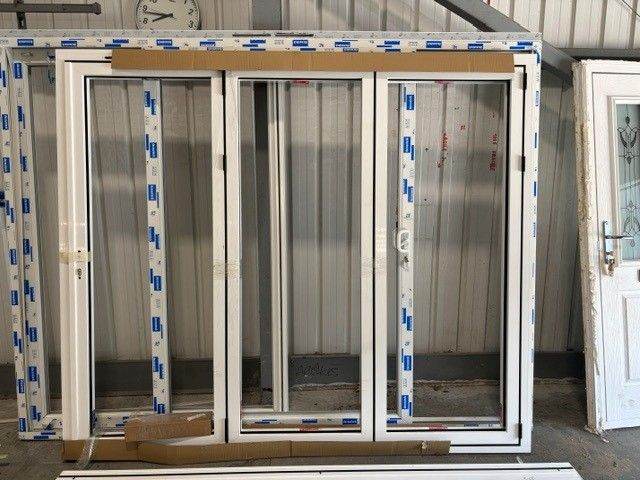
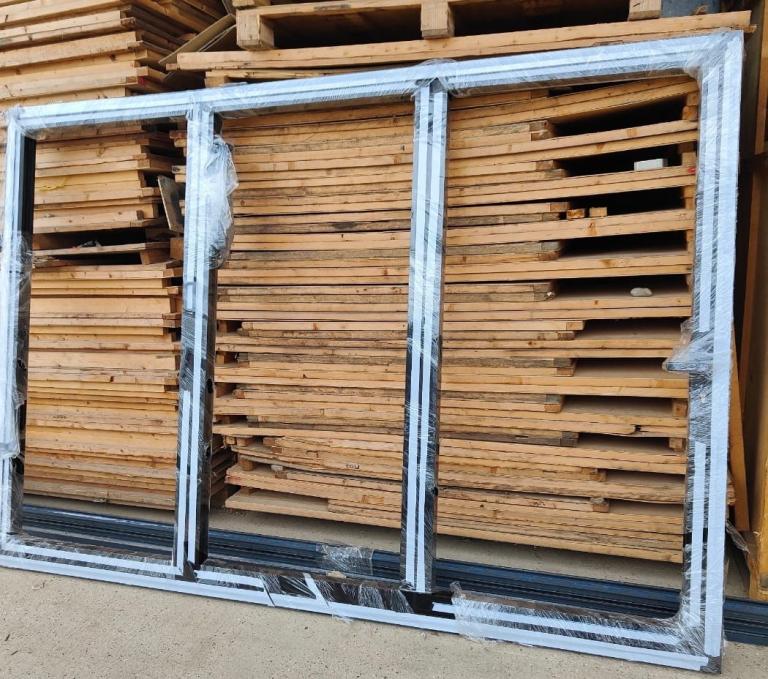
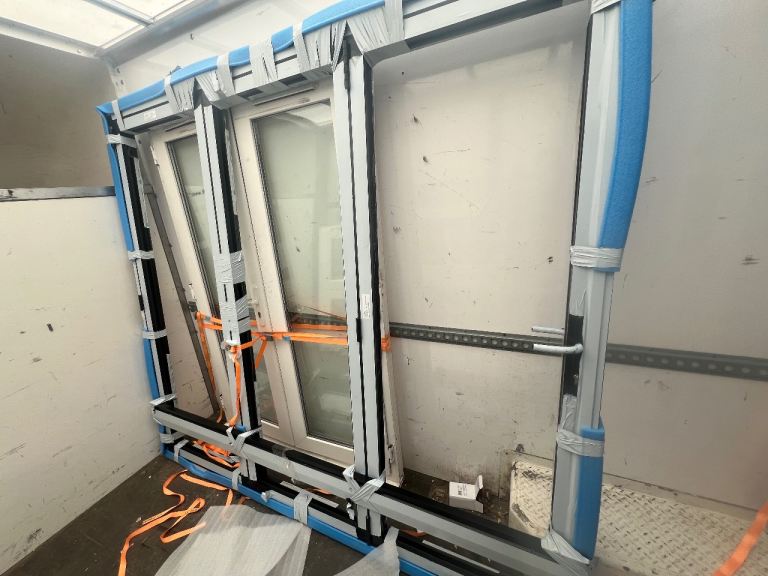
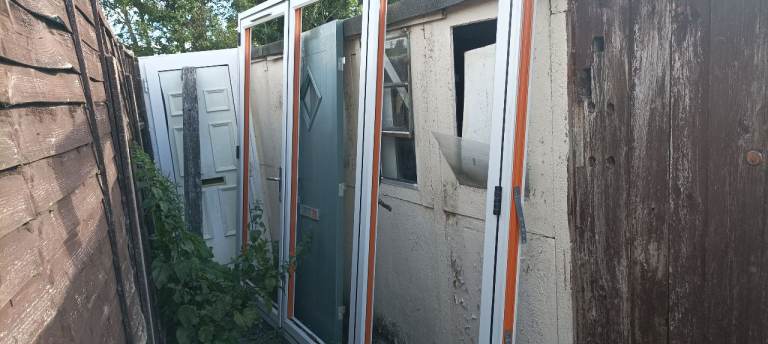
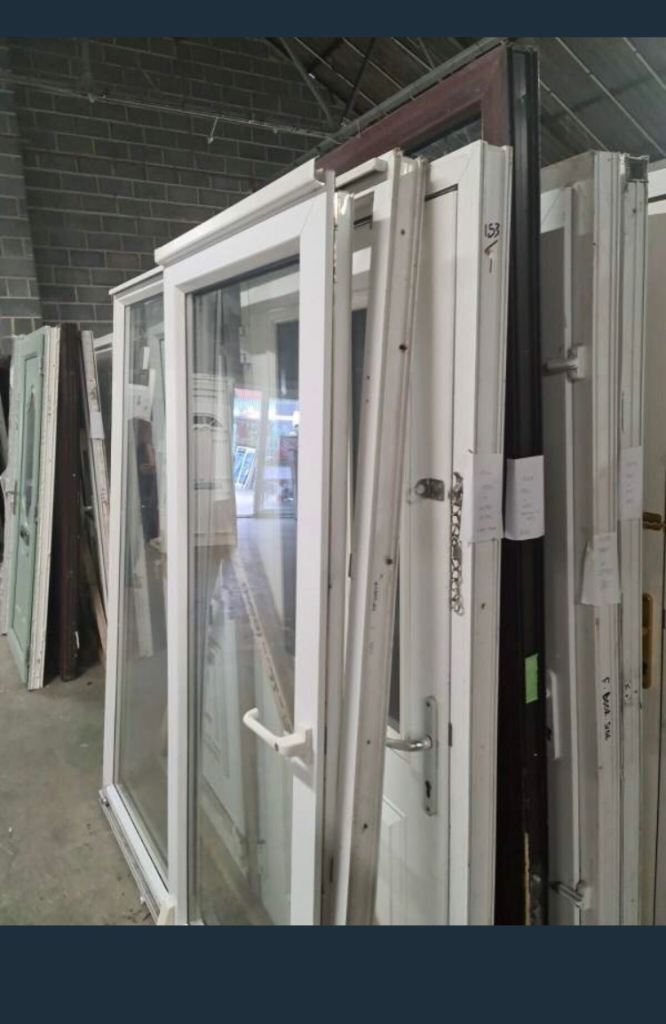
Inspect the doors for signs of warping, damage, or rot, especially along the edges and corners. Check the hinges and rollers for smooth operation and any signs of wear or rust. Ensure the locking mechanisms function correctly and that all necessary keys are included. Ask about the door's history and any known issues.
What measurements are crucial to consider when purchasing bi-fold doors?
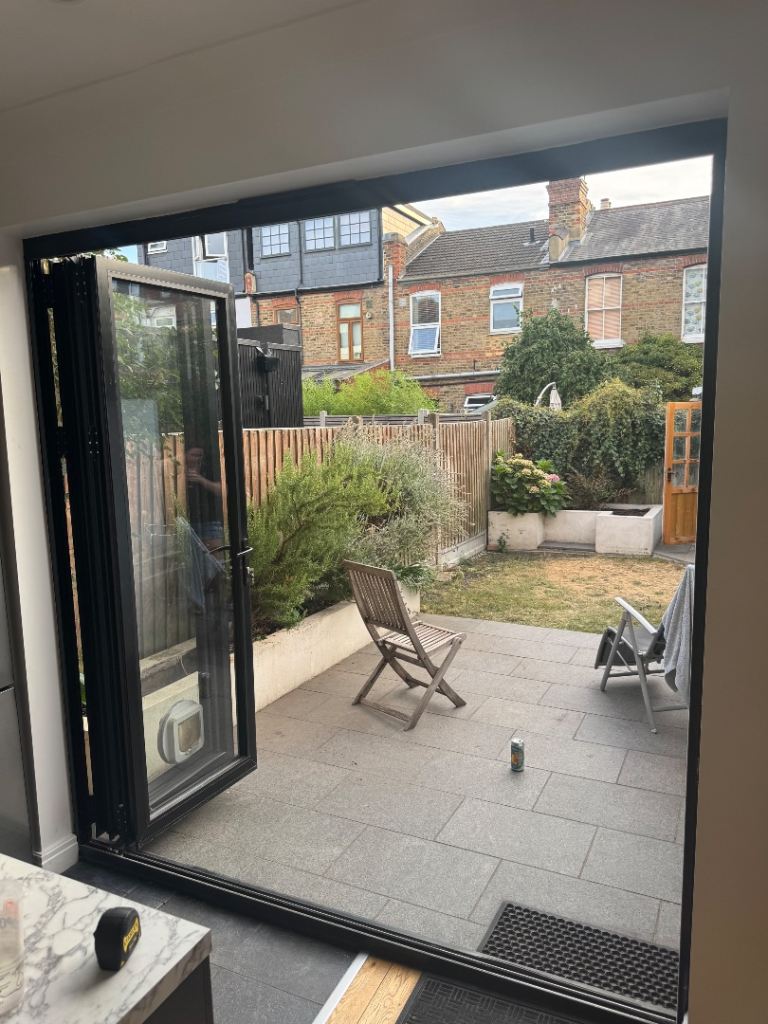
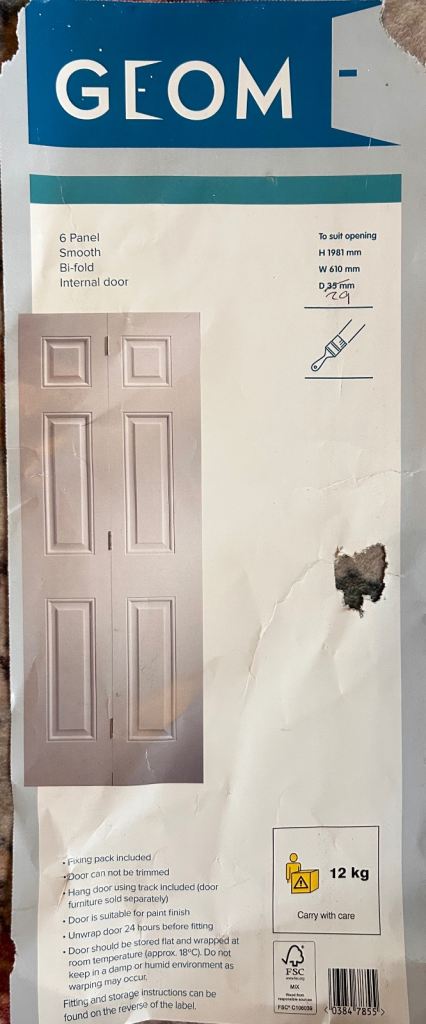
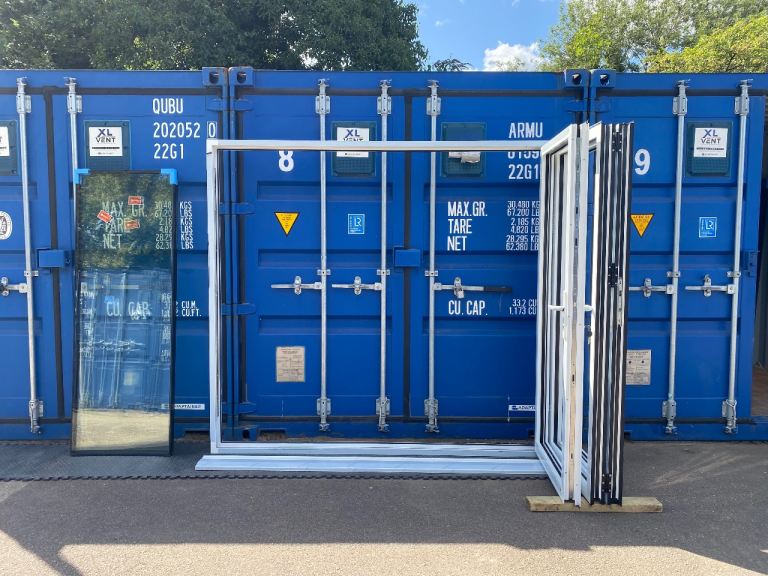
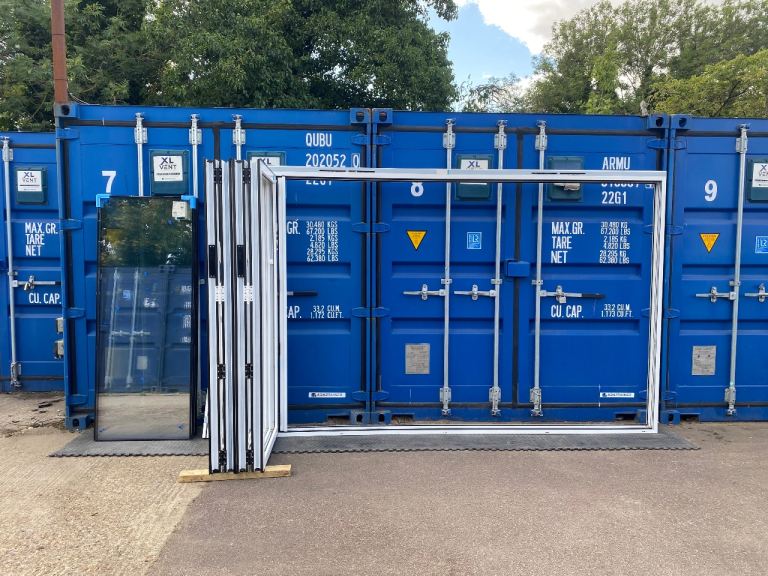
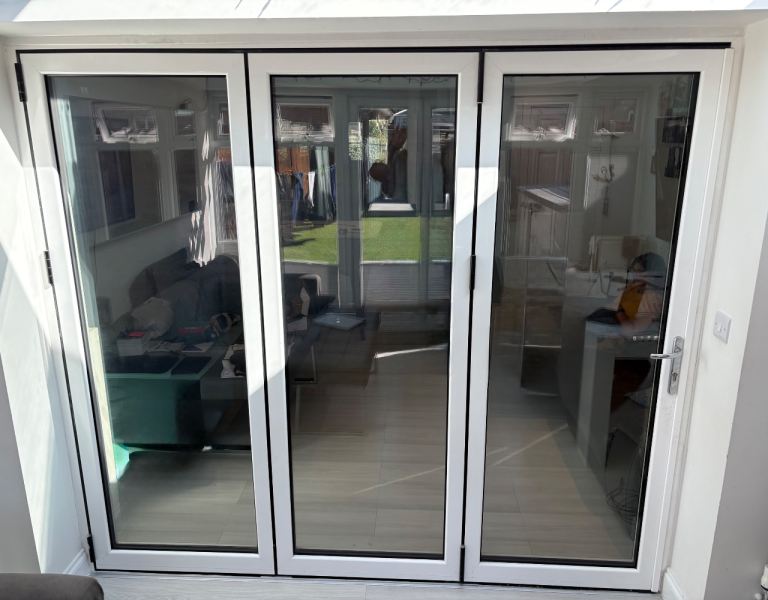
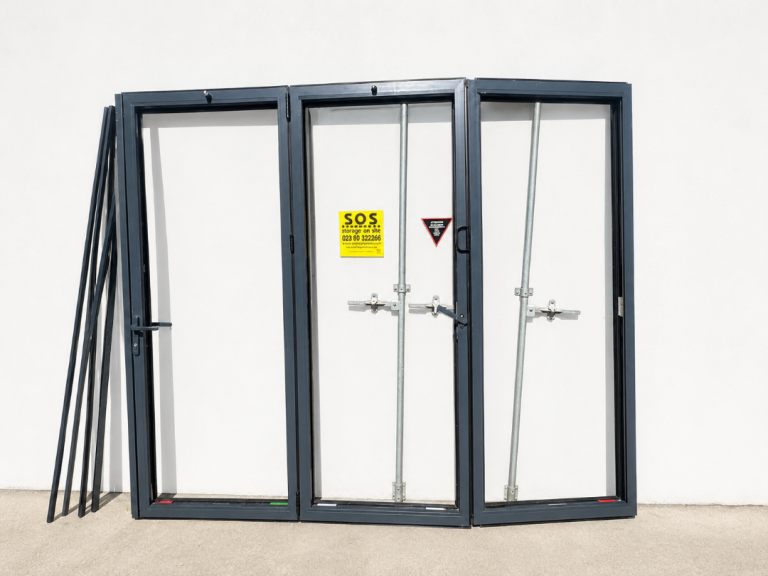
Accurately measure the width and height of the opening where the doors will be installed. Also, consider the thickness of the doors and any necessary clearances for proper operation. It's vital to ensure the doors will fit the opening precisely to avoid installation problems. Consider the 'stacking' width of the doors when folded to ensure adequate space.
What type of glass is typically used in bi-fold doors, and what should I look for?
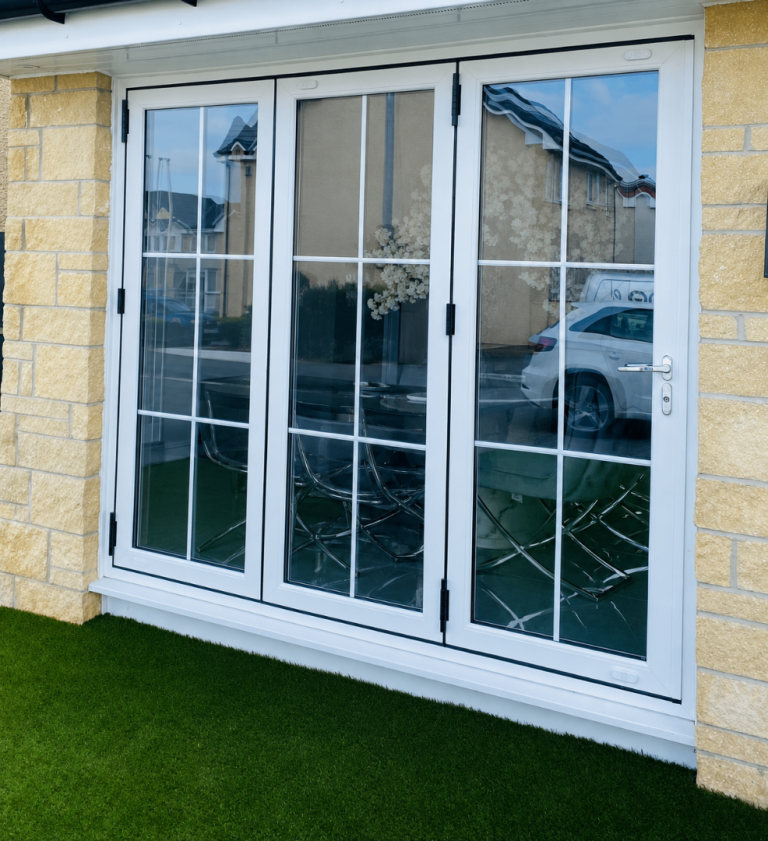
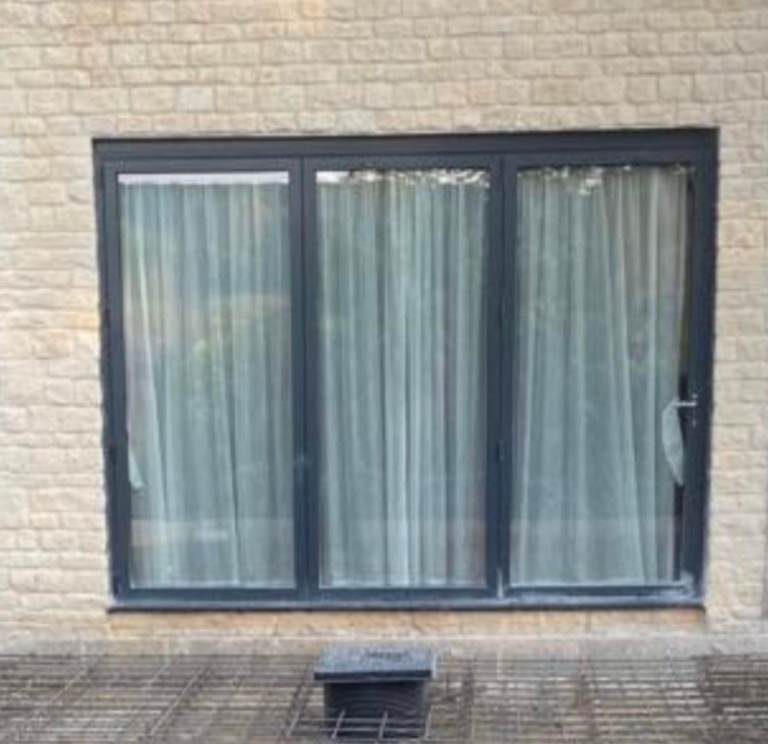
Bi-fold doors often use toughened or laminated glass for safety and security. Check for the British Standard (BS) kite mark on the glass, indicating it meets safety standards. Inspect the glass for any cracks, chips, or condensation between the panes if it's double-glazed, which could indicate a failed seal.
What are the common materials used for bi-fold door frames, and what are the advantages of each?
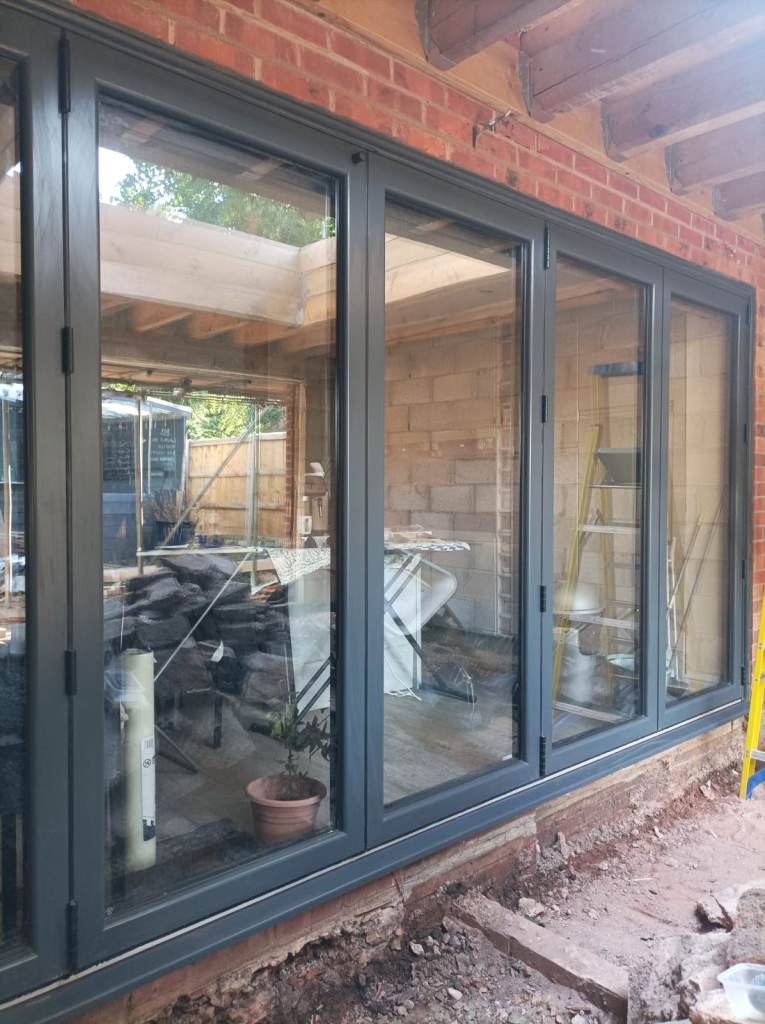
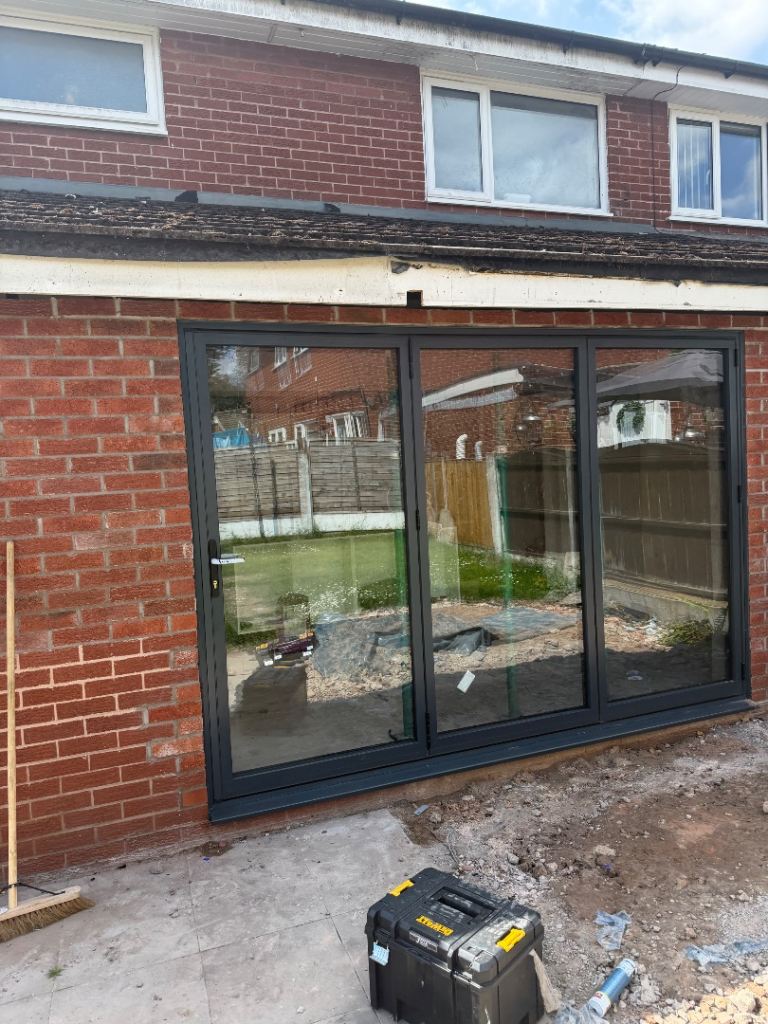
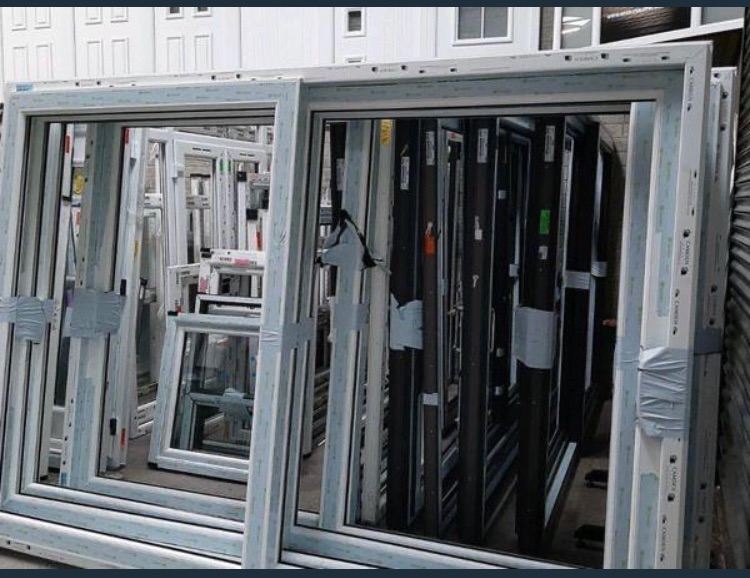
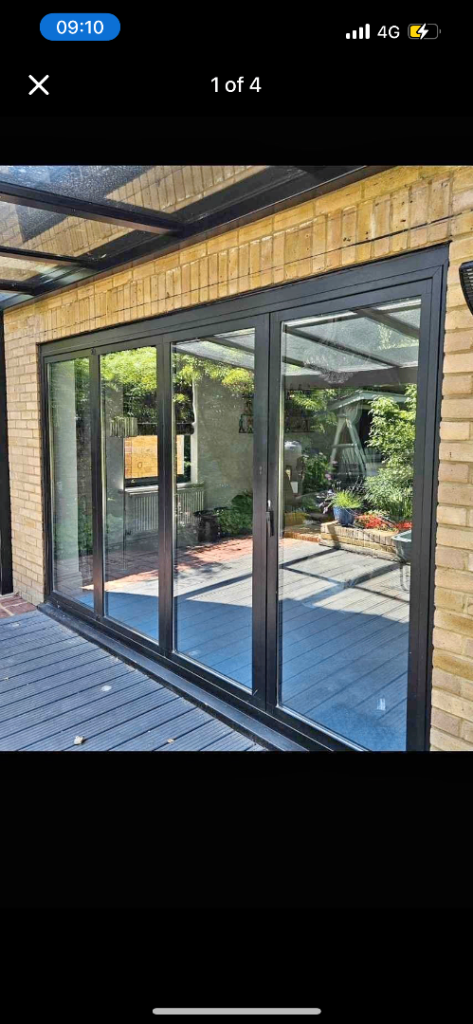
Common materials include aluminium, uPVC, and timber. Aluminium is durable, low-maintenance, and resistant to corrosion. uPVC is cost-effective and provides good insulation. Timber offers a classic aesthetic but requires regular maintenance to prevent rot and warping. Consider the material's suitability for your local climate in the UK.
What legal considerations should I be aware of when installing bi-fold doors in the UK?
Depending on the scope of the installation, you may need planning permission, especially if you are altering the external appearance of your property or living in a listed building. Building Regulations approval may also be required to ensure the doors meet energy efficiency and safety standards. Check with your local council for specific requirements. Always ensure any installation work complies with current UK Building Regulations.