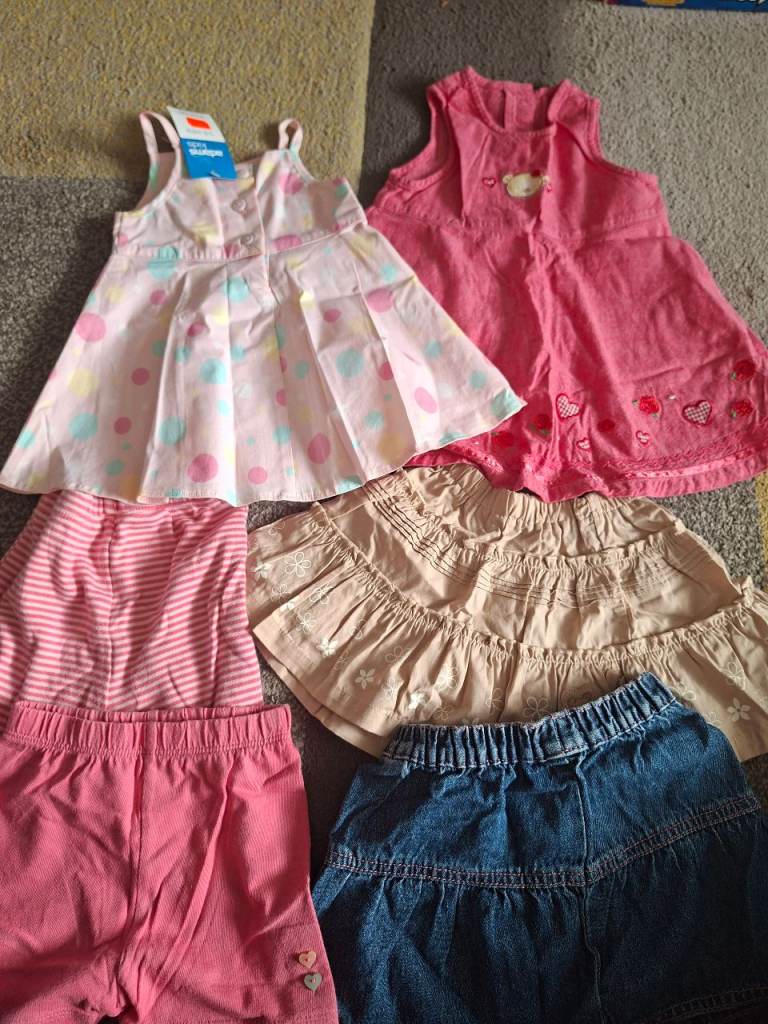
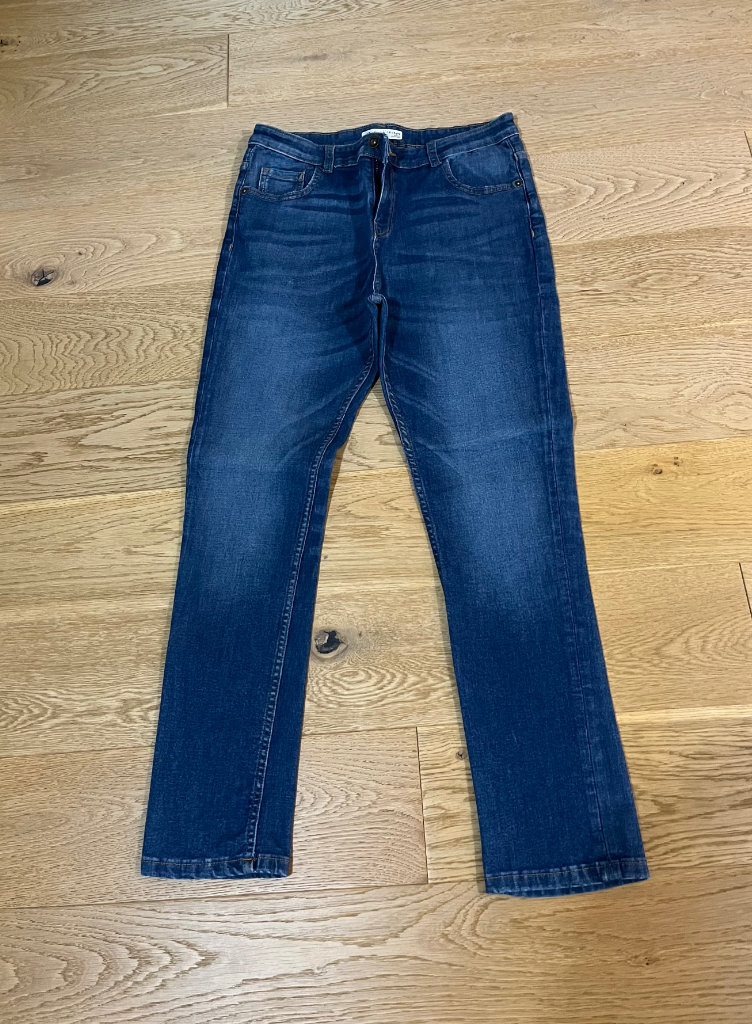
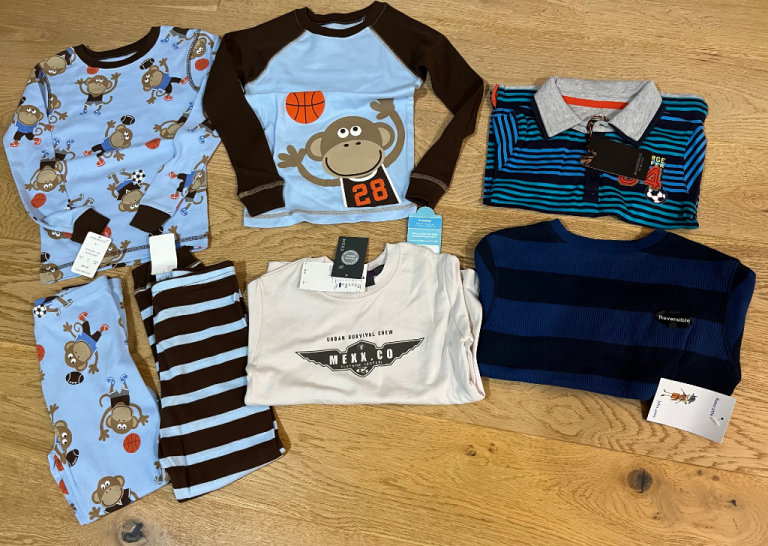
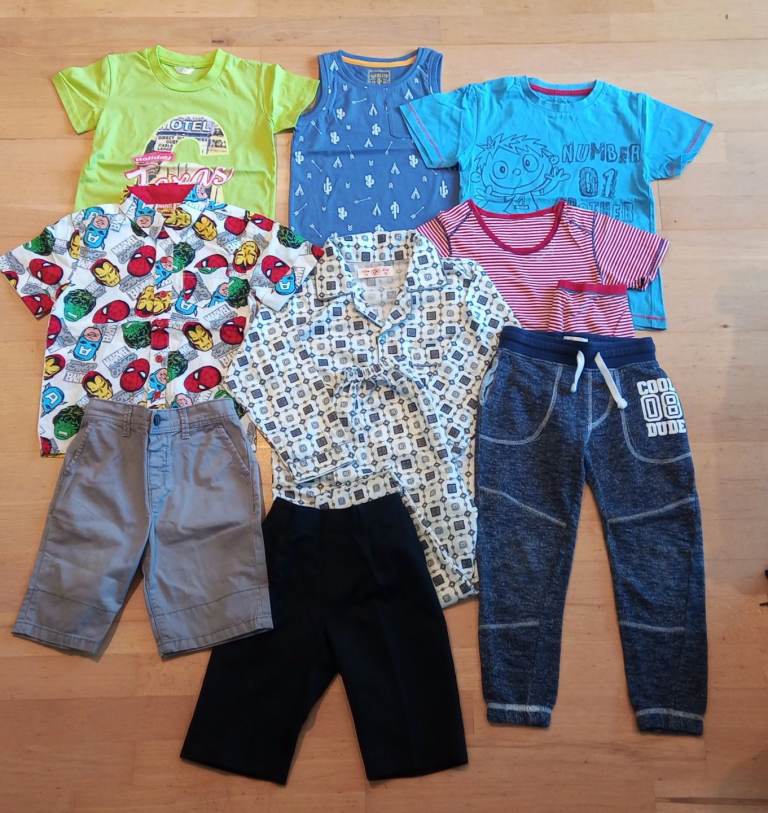
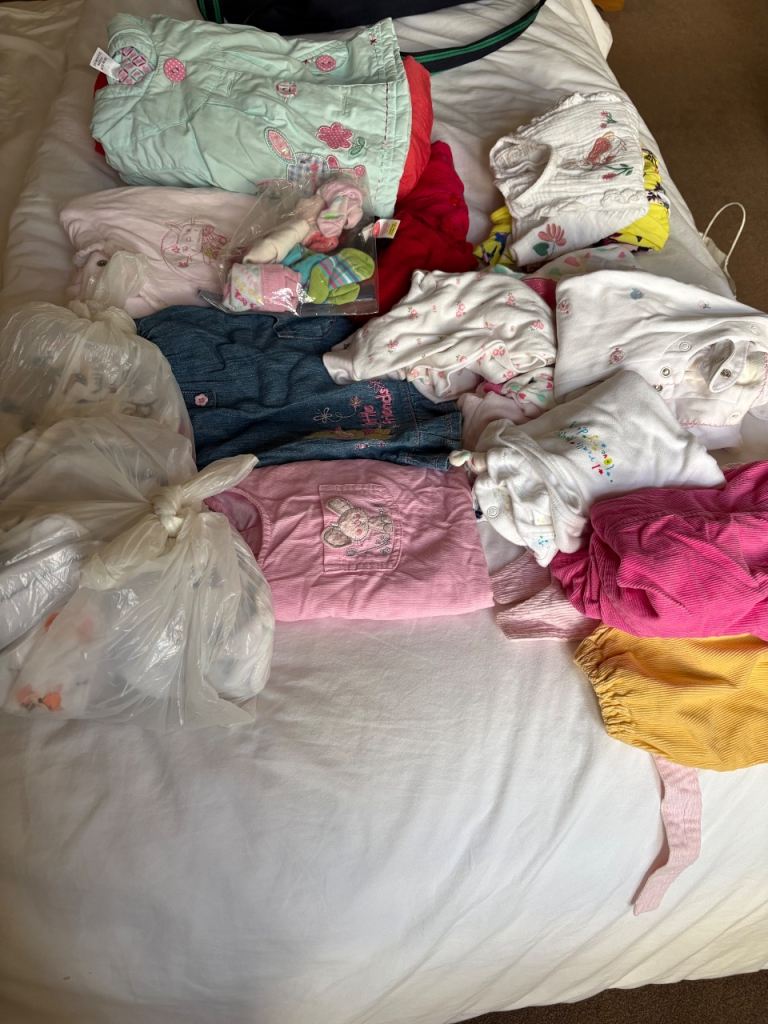
What should I look for when collecting free clothing?
Carefully inspect all items for stains, tears, holes, and signs of wear and tear. Check zips, buttons, and seams to ensure they are in good working order. Consider the fabric type and whether it suits your needs and lifestyle. Be mindful of potential allergens or sensitivities to certain materials.
How should I wash free clothing items after collecting them?
Always wash free clothing items thoroughly before wearing them. Check the care label for specific washing instructions. If there's no label, wash on a cool, gentle cycle with a mild detergent. Consider using a laundry sanitiser to kill any potential bacteria or germs. Dry the items according to the care label or by air drying.
What are some ethical considerations when collecting free clothing?
Only take what you genuinely need and will use. Avoid taking items simply because they are free, as this could deprive someone else who needs them more. If you find you have taken items you don't need, consider donating them to a charity shop or passing them on to someone else in need.
Are there any safety precautions I should take when collecting free clothing?
Arrange collection in a safe, public place if you are unfamiliar with the seller. Consider bringing a friend or family member with you. Be aware of your surroundings and trust your instincts. If anything feels unsafe or uncomfortable, do not proceed with the collection.
What should I do with free clothing that I can't use or wear?
If you collect free clothing and find that it doesn't fit or you don't like it, don't just throw it away. Consider donating it to a local charity shop, offering it to friends or family, or using it for upcycling projects. Textile recycling is also an option in many areas of the UK, helping to reduce landfill waste.