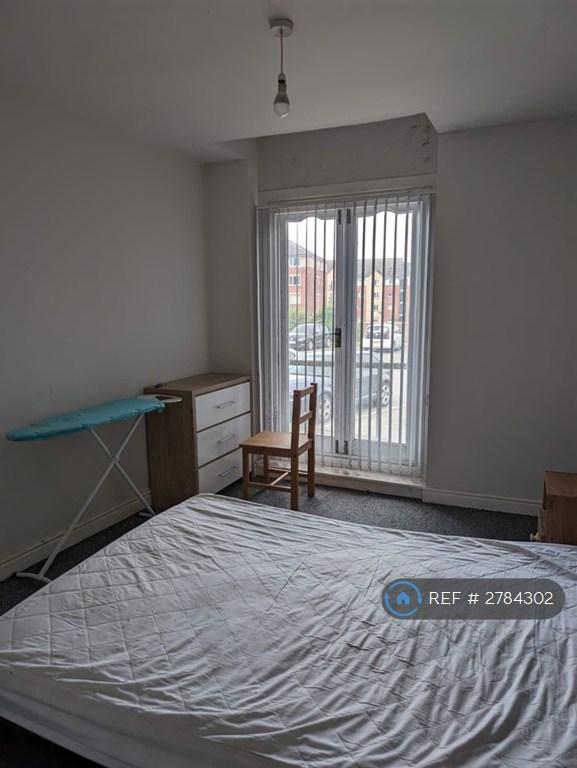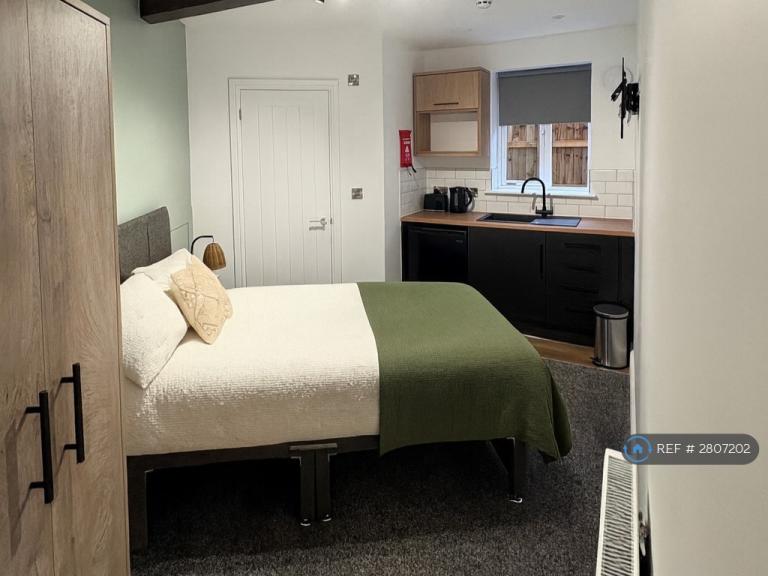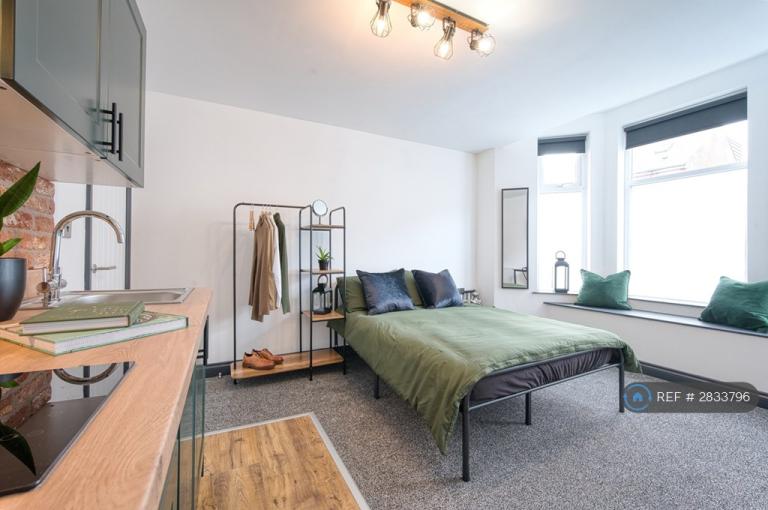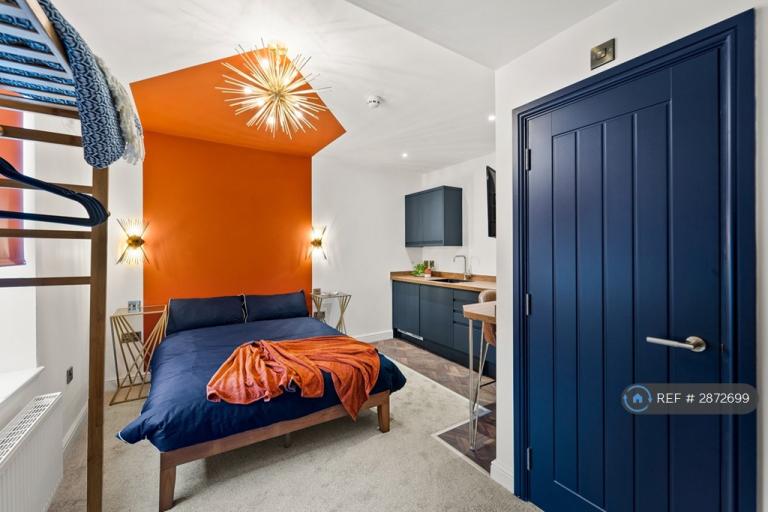
5
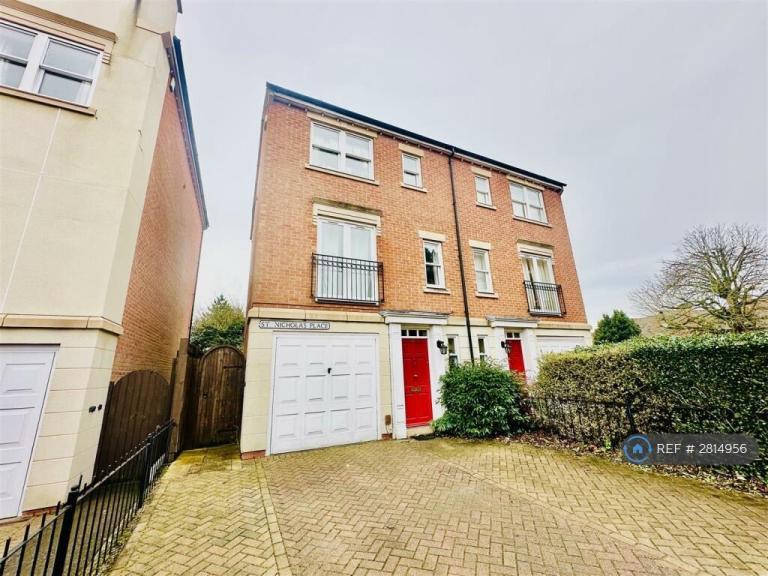
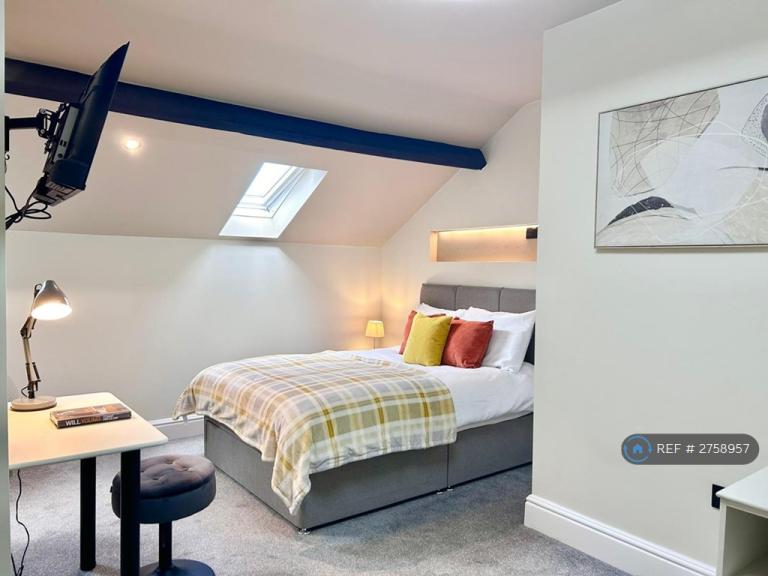
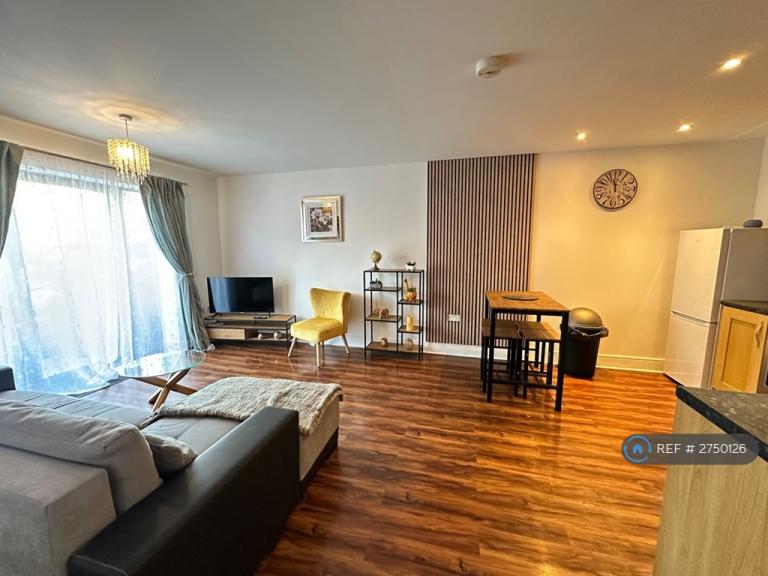
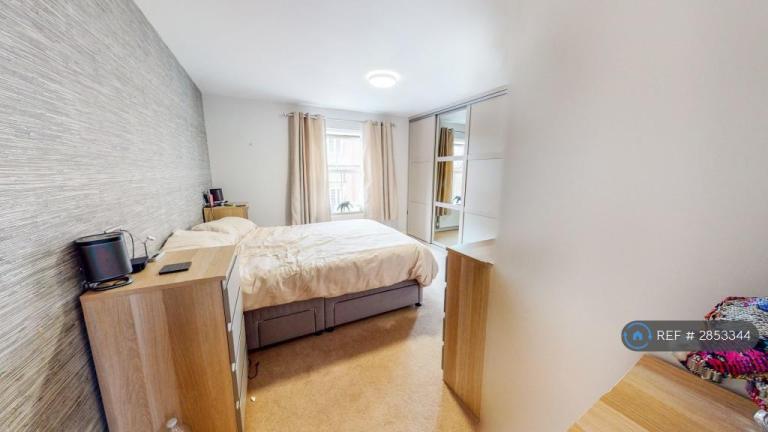
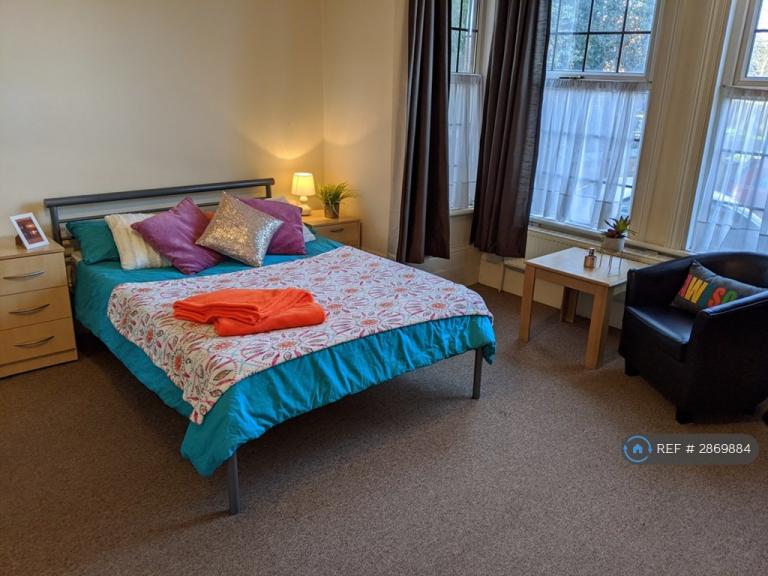
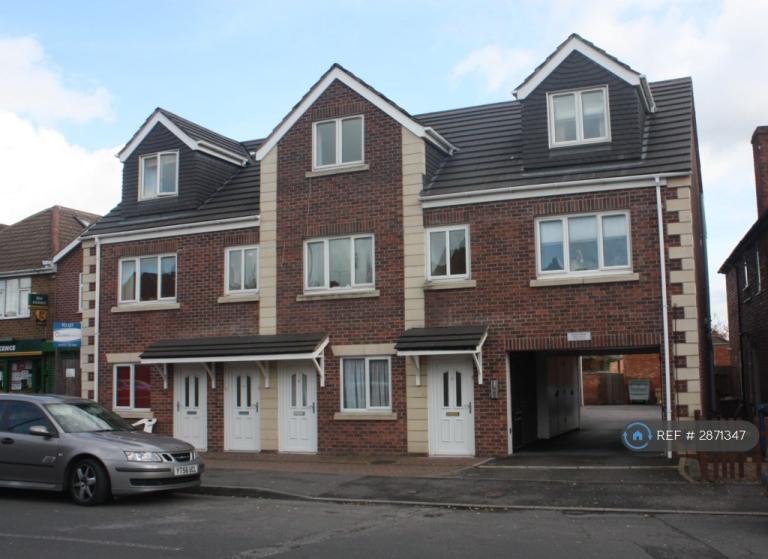
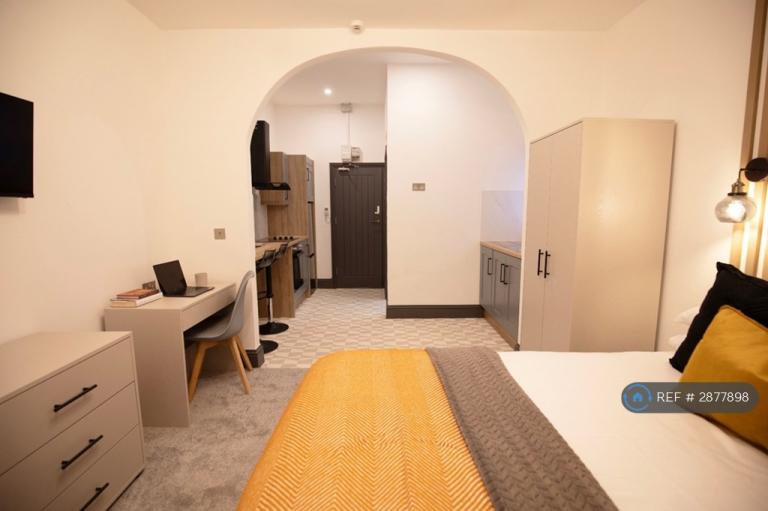
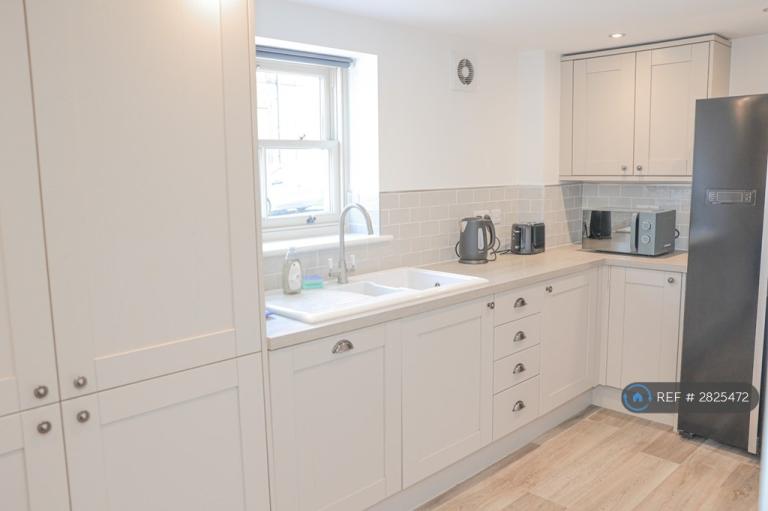
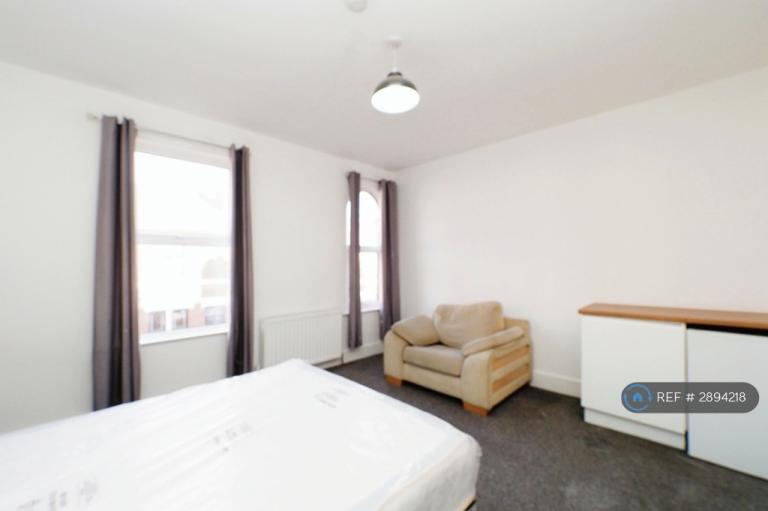
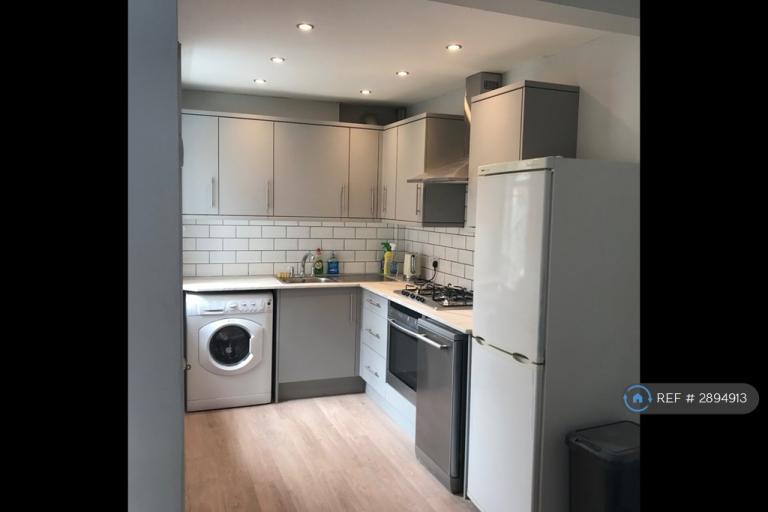
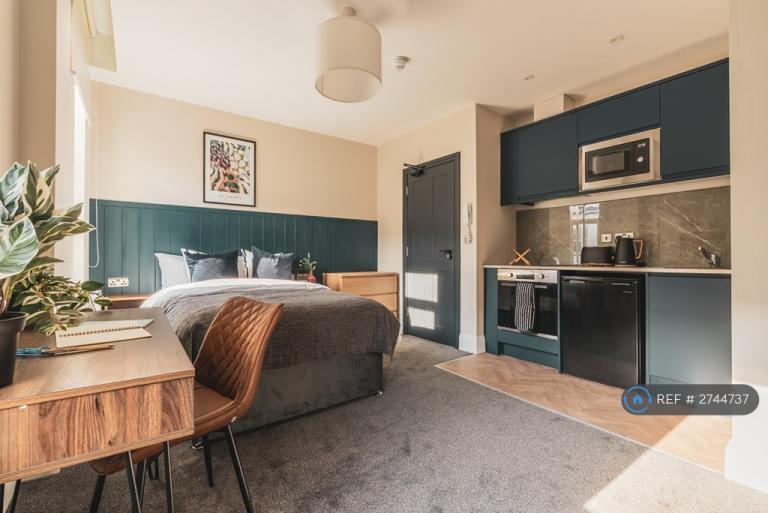
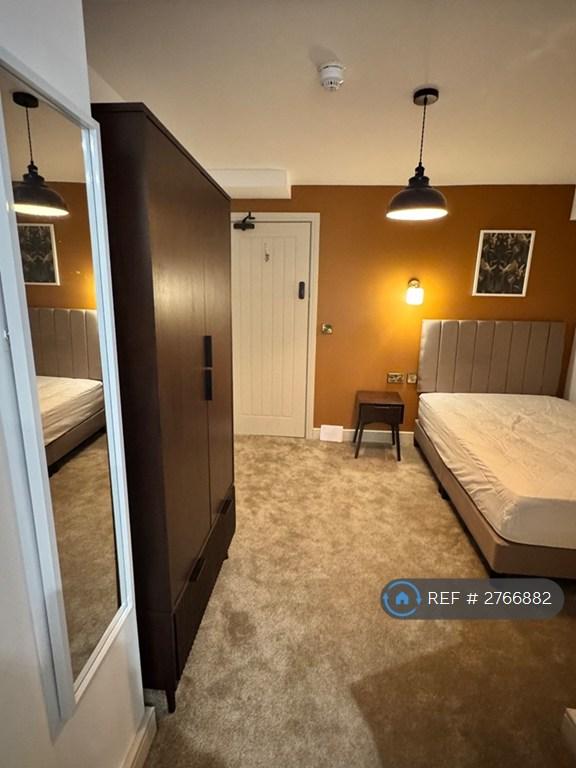
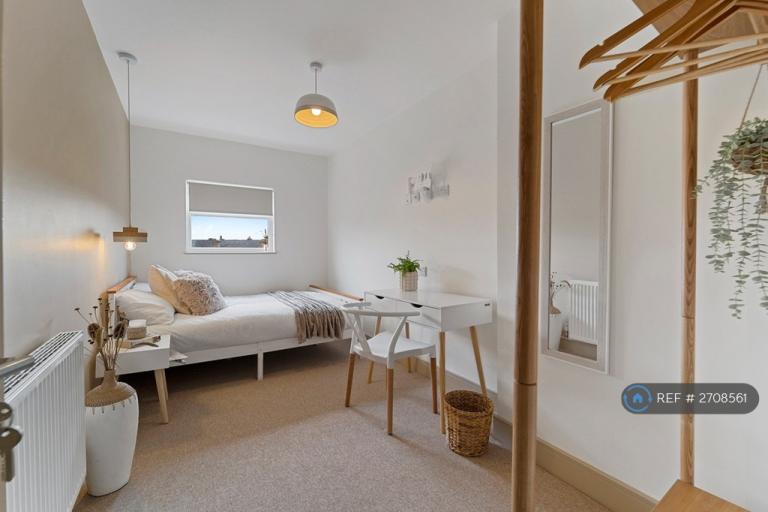
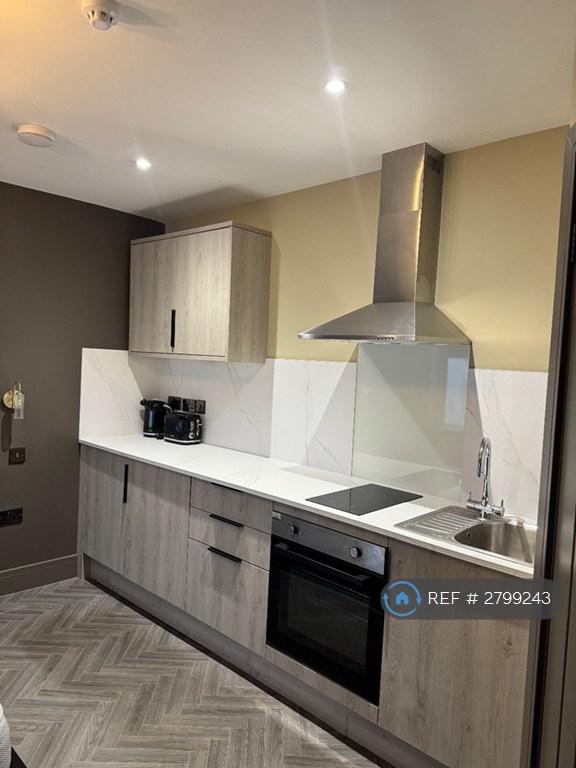
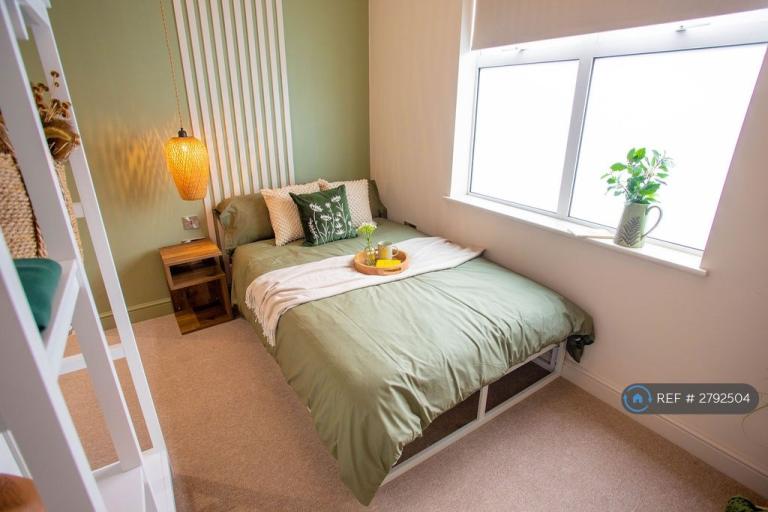
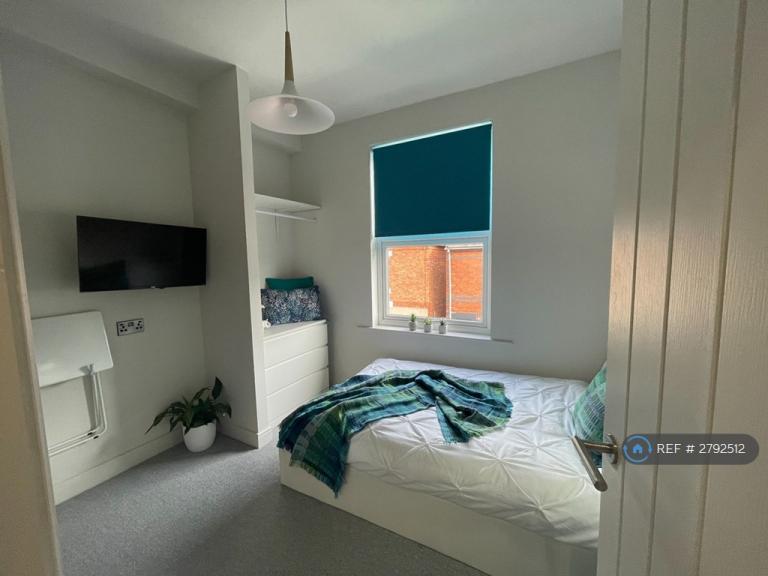
1 bedroom in Crown Street, Derby, DE22 (#2515609)
AgencyDate available: 24 May 2026House1 Bed
Derby, Derbyshire
£700pm
When viewing a property, check for signs of damp, such as mould or water stains. Inspect the windows and doors for proper sealing to avoid drafts. Test the functionality of all appliances included in the rental agreement. Also, check the water pressure in the taps and shower. Note any existing damage and ensure it's documented in the inventory.
As a tenant in the UK, you have the right to live in a property that is safe and in a reasonable state of repair. Your landlord is responsible for maintaining the structure and exterior of the property, as well as the installations for the supply of water, gas, electricity, sanitation, space heating, and water heating. You also have the right to quiet enjoyment of the property, meaning your landlord cannot enter without giving you proper notice (usually 24 hours).
A tenancy deposit is a sum of money paid by the tenant to the landlord as security against any damage to the property or unpaid rent. In the UK, landlords must protect your deposit in a government-approved tenancy deposit scheme within 30 days of receiving it. The scheme ensures that your deposit is returned to you at the end of the tenancy, provided you have met the terms of your tenancy agreement and there is no damage to the property beyond fair wear and tear.
A tenancy agreement should include the names of the landlord and tenant, the address of the property, the amount of rent and how it should be paid, the length of the tenancy, details of the deposit, and the obligations of both the landlord and tenant. It should also specify what is included in the rent (e.g., council tax, utilities) and any restrictions on the use of the property (e.g., no pets).
Landlords in the UK have several legal obligations, including ensuring the property is safe and habitable. They must have a valid Energy Performance Certificate (EPC) for the property, and gas appliances must be safety checked annually by a Gas Safe registered engineer. Landlords must also ensure that electrical installations are safe and that smoke alarms are fitted on each storey of the property and carbon monoxide alarms are fitted in rooms containing a solid fuel-burning appliance. Landlords are also required to check the 'Right to Rent' of their tenants.